
The full form of DJ is Disc Jockey. A Disc Jockey is a person who selects, mixes, and plays recorded music for an audience. DJs are commonly seen at parties, weddings, clubs, concerts, radio stations, and various entertainment events.
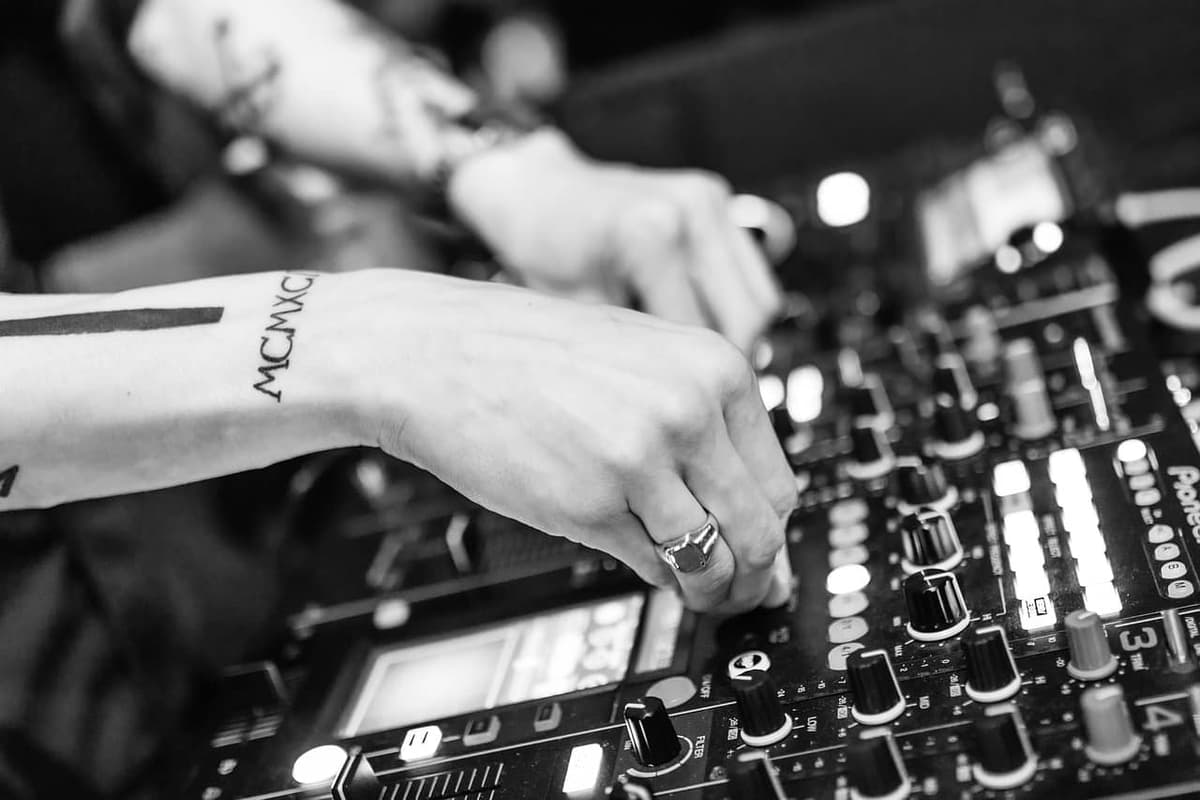
Originally, the term "Disc Jockey" was used for radio personalities who played music records on turntables. Over time, the role evolved significantly, and modern DJs now use digital equipment, mixers, controllers, and specialized software to create seamless music experiences.
A DJ's job involves much more than simply pressing play. They often read the audience, choose songs based on the mood of the event, adjust transitions between tracks, and maintain the energy of the crowd. This is one reason why experienced DJs are highly valued at live events and celebrations.
There are several types of DJs, including:
- Club DJs who perform in nightclubs and music venues.
- Radio DJs who host music programs and interact with listeners.
- Wedding and Event DJs who provide entertainment for private functions.
- Mobile DJs who travel with their equipment to different locations.
In my opinion, many people underestimate the skill involved in DJing. A good DJ not only understands music but also knows how to keep an audience engaged for hours. Timing, song selection, crowd awareness, and technical knowledge all play an important role in creating a memorable experience.
Today, DJing has become a respected profession within the music and entertainment industry. Many well-known DJs perform at international festivals, collaborate with artists, and produce their own music. As technology continues to evolve, the tools used by DJs may change, but the core purpose remains the same: entertaining people through music.
In short, DJ stands for Disc Jockey, a person who selects and plays music for an audience while creating an enjoyable and engaging listening experience.
Also Read: What is the full form of JBL?


.jpeg&w=640&q=75)