
S
sahil sharma· 2 years ago
Simplifying learning through practical guides, educational resources, and easy-to-understand explanations.

What is the full name of apj abdul kalam?

0
550

Join this conversation

Sort By
Replying to the question above
Answered on12/18/23

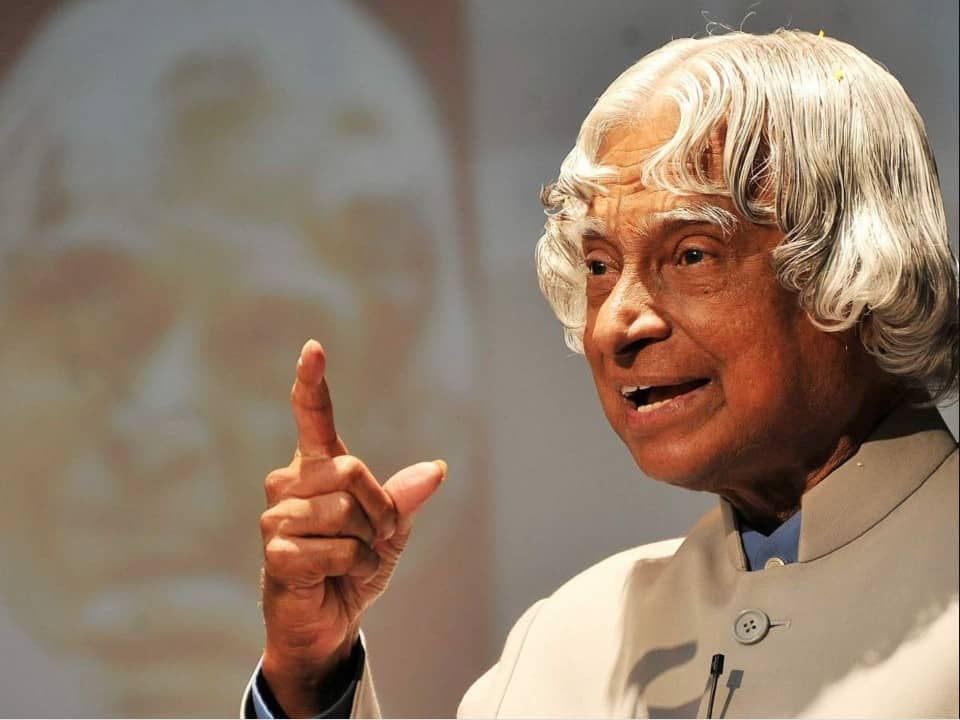
Avul Pakir Jainulabdeen Abdul Kalam, often referred to as APJ Abdul Kalam, was a remarkable Indian figure who wore two hats: a brilliant scientist and a beloved leader. Born in 1931 in Rameswaram, a beautiful island town in Tamil Nadu, Abdul Kalam dreamt big and achieved even bigger!

As a scientist, Abdul Kalam's mind buzzed with ideas for rockets and missiles. He played a key role in developing some of India's most important space launch vehicles, like the SLV-III, earning him the nickname "Missile Man." His contributions helped establish India as a major player in the world of space exploration.

But Abdul Kalam wasn't just about rockets and satellites. He was also a passionate leader who cared deeply about his country and its people. In 2002, he became the 11th President of India. Loved for his humble personality and inspiring speeches, he was fondly called "People's President."

He believed in building a brighter future for all Indians, especially the youth. He constantly motivated young people to dream big, work hard, and contribute to making India a more developed and prosperous nation. He wrote several books sharing his wisdom and experiences, like "Wings of Fire" and "Ignited Minds," which continue to inspire generations.

Sadly, Abdul Kalam passed away in 2015, leaving behind a legacy of scientific achievements and impactful leadership. He is remembered as a true visionary, a role model for aspiring scientists and leaders, and a man who always stood for progress and the betterment of his nation.
Letsdiskuss

Also Read :- Who is the APJ Abdul Kamal?
J
Curriculum Specialist
View Profile

Joel Tucker is a curriculum specialist and education content writer with over 8 years of experience designing, developing, and evaluating learning programmes across K-12 and higher education settings. He holds a Master of Education (M.Ed.) in Curriculum and Instruction from the University of Melbourne and a Bachelor of Arts in Education from the University of Sydney — qualifications that combine deep pedagogical theory with the practical demands of curriculum design in real educational environments. His content covers curriculum development, instructional design, learning assessment frameworks, education policy, ed-tech integration, teacher professional development, and evidence-based teaching methodologies. His work has appeared on platforms including Edutopia, Education Week, and The Conversation Education, where he writes for educators, school leaders, and policymakers who need content built on genuine curriculum expertise — not generic teaching advice recycled from other sources. Over eight years, Joel has designed curriculum frameworks for schools and educational institutions across Australia and internationally, working with bodies including the Australian Curriculum Assessment and Reporting Authority (ACARA). He has published 220+ articles on education, presented at the Australian Council for Educational Research (ACER) Conference, and is a certified member of the Australian College of Educators (ACE). Across all his writing, every instructional recommendation is grounded in current educational research, every curriculum insight reflects direct design experience, and every article is held to the standard that serious education professionals expect — evidence first, clarity always.

0
Replying to the question above
Answered on12/18/23

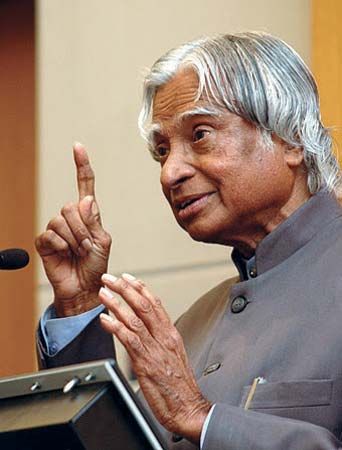
Avul Pakir Jainulabdeen Abdul Kalam was brought into the world on October 15, 1931, in Rameswaram, Tamil Nadu, India. His complete name includes a few sections, mirroring his family foundation and social personality. "Avul Pakir Jainulabdeen" is his given name, with "Avul" indicating his family or station, "Pakir Jainulabdeen" addressing his dad's name, and "Abdul Kalam" being his name.

Abdul Kalam came from an unassuming foundation, and his initial life was set apart by financial battles and struggles. Notwithstanding confronting difficulties, he was a brilliant and curious youngster with a strong fascination with science. His devotion and energy for learning drove him to seek out a degree in aeronautical design from the Madras Organization of Innovation.

Dr. Kalam's expert process started at the Safeguard Innovative Work Association (DRDO) and the Indian Space Exploration Association (ISRO). He assumed a significant role in India's regular citizen space program and military rocket improvement. His authority and commitments procured him the title of "Individuals' Leader," as he filled in as the eleventh Leader of India from 2002 to 2007.

Kalam's complete name, consequently, epitomizes his familial, social, and individual characters. The name mirrors the rich embroidery of his life, from his underlying foundations in Rameswaram to his extraordinary job in molding India's logical and mechanical scene. His excursion from an unassuming community to the most elevated office in the nation remains a rousing story of assurance, difficult work, and devotion.

Past his authority titles and jobs, Abdul Kalam was also known as an "Individual Leader" because of his open and warm attitude towards everyone; it doesn't matter who is a child, student, or someone else. He frequently connected with understudies and youth, stressing the significance of schooling, development, and values. Kalam's talks and compositions keep on motivating the people, particularly those of a group of youngsters, to think beyond practical boundaries and contribute to the advancement of the country.

In July 2015, Abdul Kalam left a permanent imprint on the world when he died while conveying a talk at the Indian Foundation of the Board of Shillong. Despite his actual nonappearance, his heritage perseveres, and his lessons keep on shaping the personalities of endless people. The complete name of Avul Pakir Jainulabdeen Abdul Kalam fills in as a sign of a man who rose from humble starting points to turn into an image of information, lowliness, and visionary initiative in the chronicles of Indian history.

Letsdiskuss

Also Read:- How did Abdul Kalam earn his first wages ?

Mohd  Sameer
View Profile
0