
Answered on08/25/23
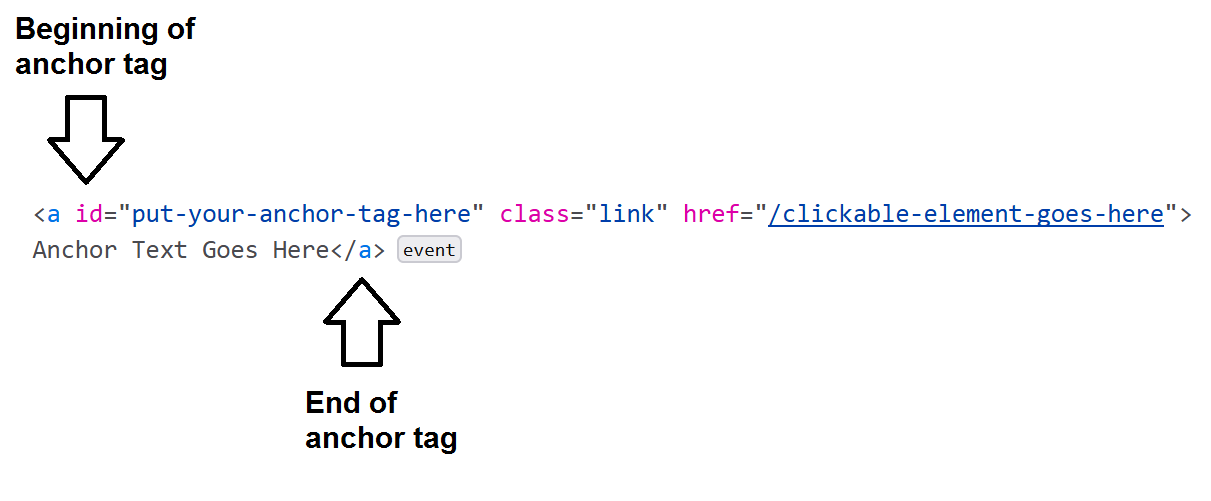
Anchor tags, also known as anchor text or links, play a vital role in SEO. They are used to create clickable links within content, directing users to other web pages. These tags facilitate smooth navigation, enhance user experience, and establish connections between related pages on a website. Properly optimized anchor text can improve a page's search engine ranking by indicating its relevance to specific keywords. However, it's crucial to maintain a natural and relevant usage of anchor text, as search engines value user-centric practices. Additionally, external sites using anchor tags to link to your content can contribute to your site's authority and SEO performance.


1






.jpg)