A spade and a garden fork are two of the most essential hand tools used in gardening for preparing soil, planting, transplanting, and maintaining healthy garden beds. Although they often look similar because both have long handles, they are designed for different purposes.
A spade has a flat, sharp metal blade that is ideal for digging, cutting through soil, edging garden beds, making planting holes, and moving small amounts of soil or compost. A garden fork, on the other hand, has strong metal tines that are used to loosen compacted soil, aerate the ground, mix compost, and lift plants without damaging their roots. Using the right tool makes gardening easier, improves soil health, and reduces physical effort.
Primary Uses
Uses of a Spade
A spade is commonly used for:
-
Digging planting holes.
-
Turning and preparing garden soil.
-
Cutting through roots and turf.
-
Creating clean lawn and flower bed edges.
-
Mixing compost or manure into soil.
-
Transplanting shrubs and small plants.
-
Removing old plants.
Uses of a Garden Fork
A garden fork is mainly used for:
-
Loosening hard or compacted soil.
-
Aerating the soil to improve drainage.
-
Breaking up soil clumps.
-
Mixing compost, manure, and organic matter.
-
Harvesting root vegetables like potatoes.
-
Lifting plants while protecting their root systems.
-
Turning compost piles.
Together, these tools help gardeners prepare fertile soil that supports healthier plant growth.
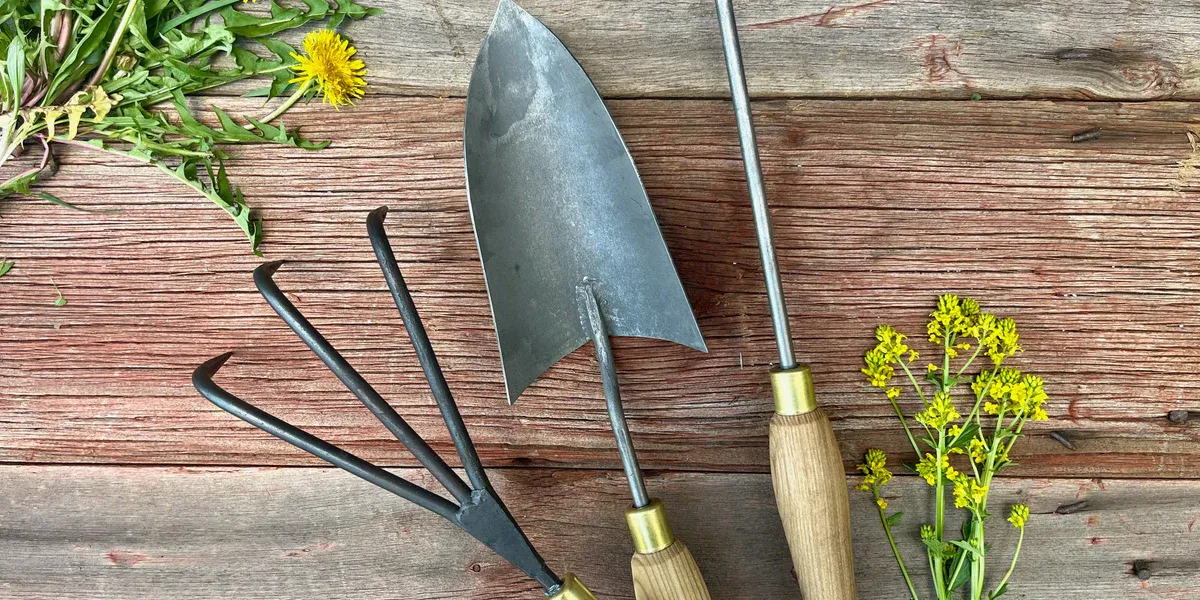
Comparison
| Feature | Spade | Garden Fork |
|---|---|---|
| Blade | Flat metal blade | Four or more strong tines |
| Best For | Digging and cutting | Loosening and aerating soil |
| Soil Type | Sandy, loamy, general garden soil | Clay, rocky, compacted soil |
| Root Protection | May cut roots | Usually lifts roots with less damage |
| Compost Mixing | Good | Excellent |
| Harvesting Root Crops | Good | Better for potatoes and similar crops |
A simple way to remember the difference is:
-
Spade = Cuts and digs.
-
Garden Fork = Loosens and lifts.
Advantages
Advantages of Using a Spade
-
Creates clean planting holes.
-
Cuts through roots and sod efficiently.
-
Makes edging flower beds easier.
-
Helps move soil and compost.
-
Suitable for most everyday gardening tasks.
Advantages of Using a Garden Fork
-
Improves soil aeration.
-
Loosens compacted ground with less effort.
-
Preserves plant roots during transplanting.
-
Mixes compost evenly into the soil.
-
Works especially well in clay and stony soils.
Using both tools together allows gardeners to prepare soil more effectively than relying on only one tool.
Best Applications
Different gardening tasks require different tools.
| Gardening Task | Best Tool |
|---|---|
| Digging planting holes | Spade |
| Cutting lawn edges | Spade |
| Removing turf | Spade |
| Loosening compacted soil | Garden Fork |
| Mixing compost | Garden Fork |
| Harvesting potatoes | Garden Fork |
| Transplanting plants | Garden Fork |
| Preparing vegetable beds | Both |
Professional gardeners often use a spade first for digging and shaping, followed by a garden fork to loosen and aerate the soil, creating an ideal growing environment for plants.
Maintenance Tips
Proper care extends the life of gardening tools.
-
Clean soil from the blade or tines after each use.
-
Dry tools thoroughly before storing to prevent rust.
-
Sharpen the spade blade periodically for easier digging.
-
Remove rust using a wire brush if needed.
-
Apply a light coat of oil to metal parts.
-
Store tools in a dry place away from moisture.
-
Regularly inspect wooden handles for cracks or looseness.
Well-maintained tools are safer to use, require less effort, and typically last for many years.
Common Misconceptions
"A spade and a garden fork do exactly the same job."
No.
Although both are digging tools, a spade is designed for cutting and digging, while a garden fork is better for loosening, lifting, and aerating soil.
"A garden fork is only used for compost."
Incorrect.
Garden forks are also excellent for loosening soil, transplanting plants, harvesting root vegetables, and improving soil structure.
"You only need one of these tools."
Not necessarily.
Many experienced gardeners use both because each tool performs different tasks more efficiently.
"A garden fork is the same as a pitchfork."
No.
A garden fork has short, sturdy tines for working soil, while a pitchfork has longer, thinner tines designed for moving loose materials such as hay or straw.
Frequently Asked Questions (FAQs)
1. What is the use of a spade in gardening?
A spade is used for digging, cutting soil, making planting holes, edging garden beds, and transplanting plants.
2. What is the use of a garden fork?
A garden fork is used to loosen compacted soil, aerate the ground, mix compost, lift plants, and harvest root vegetables.
3. Which tool is better for clay soil?
A garden fork is generally better because its tines penetrate heavy, compacted clay more easily than a flat spade blade.
4. Can I use a garden fork instead of a spade?
For some tasks, yes.
However, a spade is better for cutting, edging, and making precise planting holes, while a garden fork excels at loosening and aerating soil.
5. Should beginner gardeners own both tools?
Yes.
A quality spade and a sturdy garden fork are considered two of the most useful and versatile tools for home gardening because together they cover most basic soil preparation and planting tasks.
A spade and a garden fork are complementary tools that play different but equally important roles in gardening. While a spade is ideal for digging, edging, cutting, and planting, a garden fork is designed to loosen soil, improve aeration, mix organic matter, and lift plants with minimal root damage. Choosing the right tool for the job not only makes gardening easier but also helps maintain healthier soil and stronger plant growth. Whether you're creating a new vegetable bed, planting flowers, or maintaining a backyard garden, having both a spade and a garden fork in your toolkit will make everyday gardening tasks more efficient and productive.
Must Read: Is gardening a stress buster?
 Answered by