Squamous cell carcinoma (SCC) is the most frequent type of head and neck cancer. It is derived from squamous cells, thin, flat cells that line the moist surfaces of the mouth, throat, voice box, and so on. According to the National Cancer Institute (NCI), most head and neck cancers are squamous cell carcinomas.
But “neck cancer” is not one type of cancer or a single medical diagnosis. Cancers can begin in many different structures in the head and neck. The type of cancer depends on where it begins and what type of cell is involved.
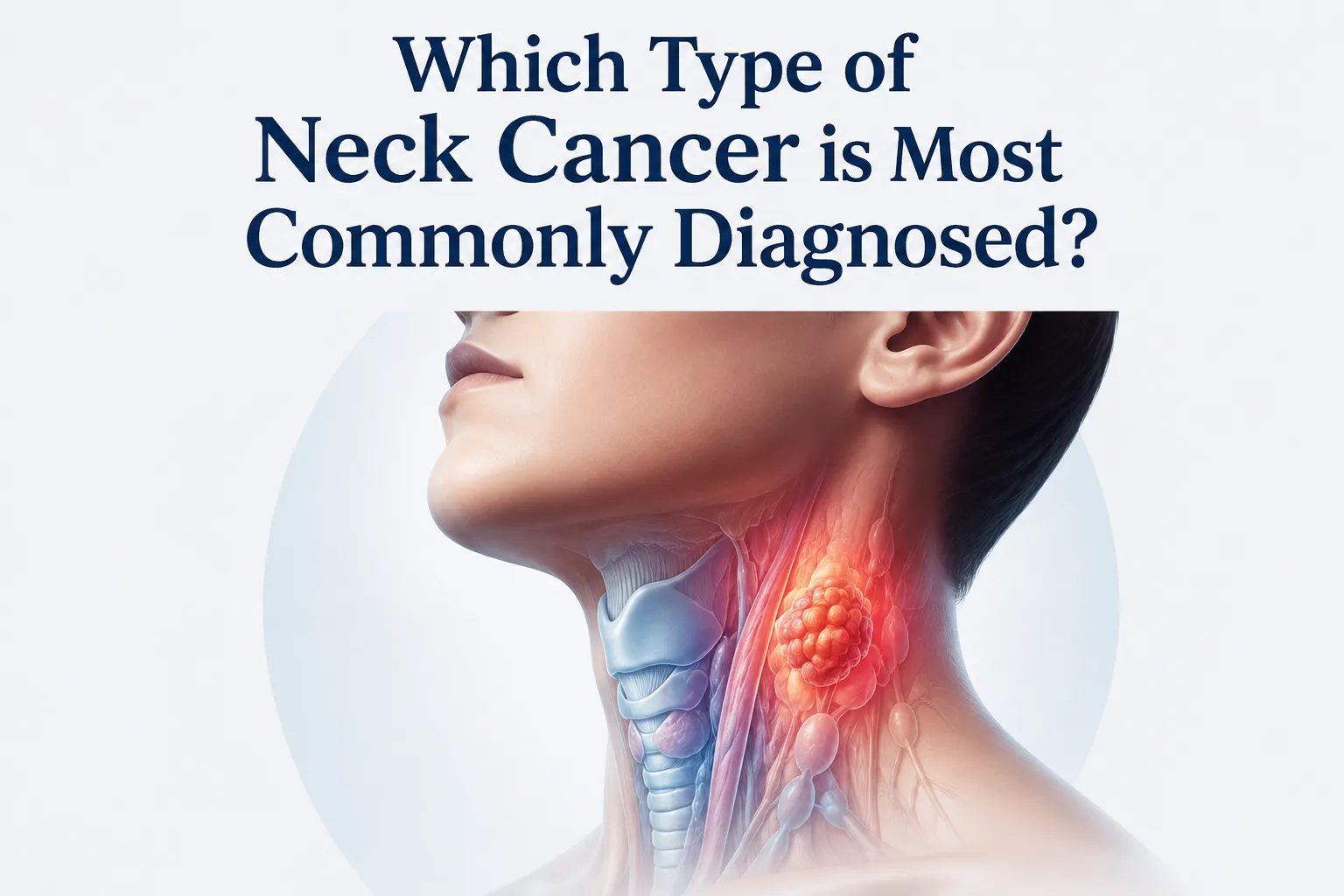
What Is Head and Neck Squamous Cell Carcinoma?
Head and neck squamous cell carcinoma (HNSCC) is a cancer that arises in the squamous cells that line the surfaces of the head and neck. These cancers are usually found in the:
Mouth: Lips, tongue, gums, inner cheeks, floor of mouth, and palate
Oropharynx: Middle part of the throat, including the tonsils and base of the tongue
Hypopharynx: Lower part of the throat
Larynx: Voice box
Nose and sinuses
Other sites of the upper aerodigestive tract
The NCI says head and neck cancers can also form in the salivary glands, muscles, nerves, and other tissues, but these cancers are much less common than squamous cell carcinomas.
What Causes Squamous Cell Carcinoma of the Head and Neck?
There are several factors that can increase the risk of head and neck cancer. Key risk factors are:
Tobacco and alcohol are particularly important risk factors for cancers of the oral cavity, hypopharynx, and larynx. Using tobacco and alcohol together can increase the risk even more than using either one alone.
Some high-risk HPV infections, particularly HPV-16, are linked to cancers of the oropharynx, including cancers of the tonsils and base of the tongue.
Having a risk factor does not mean someone will get cancer. Some people get head and neck cancer without any obvious risk factor.
Signs and Symptoms of Head and Neck Cancers
The symptoms depend on where the cancer grows. Symptoms may include:
A lump or swelling in the neck that persists
A mouth ulcer that won't heal
Persistent sore throat
Painful or difficult swallowing
Chronic hoarseness or voice changes
Continued ear pain
Changes in the mouth or throat that cannot be explained
Many conditions that are not cancer can also cause these symptoms. If you have a symptom that persists or cannot be explained, see a qualified health care professional for an evaluation.
Diagnosis of Head and Neck Cancers
Doctors may combine a review of the medical history, a physical exam, a look at the mouth and throat, imaging tests, and other investigations as appropriate.
When cancer is suspected, a biopsy is particularly important because it enables a pathologist to study cells or tissue under a microscope. A biopsy can help determine if cancer is present and what type of cancer it is.
The diagnosis depends on the location of the cancer, the type of cells involved, the extent of the disease, and other features.
Is Squamous Cell Carcinoma the Only Kind of Neck Cancer?
No. Squamous cell carcinoma is the most common type of head and neck cancer, but other types of cancers can develop in the head and neck area.
For example, cancers can arise from the salivary glands, sinuses, nerves, muscles, and other tissues. Squamous cell carcinomas are more common than these cancers.
This is why the location and tissue of origin matter when identifying a cancer.
Is Thyroid Cancer the Same as Neck Cancer?
Usually, no. The term “neck cancer” is a bit of a misnomer because there are several different cancers that can arise in or around the neck.
Head and neck cancers are usually cancers that occur in the mouth, throat, larynx, nasal cavity, sinuses, and salivary glands. Thyroid cancer is frequently regarded as a separate disease from head and neck cancer. The NCI specifically notes that cancers of the thyroid gland are not typically considered head and neck cancers.
Frequently Asked Questions
What Is the Most Common Form of Cancer in the Neck?
If you mean “neck cancer” as a type of head and neck cancer, then the most common type is squamous cell carcinoma (SCC). Most head and neck cancers start in squamous cells that line areas including the mouth, throat, and larynx.
The most common type of head and neck cancer is:
Head and neck squamous cell carcinoma (HNSCC) is the most common type of cancer in the head and neck. It can arise in different sites, including the oral cavity, oropharynx, hypopharynx, larynx, nasal cavity, and sinuses.
What Are the Main Risk Factors for Head and Neck Cancer?
The major established risk factors are tobacco use, heavy alcohol use, and infection with certain high-risk types of HPV. The significance of each risk factor depends on the exact location of the cancer.
Can a Lump in the Neck Be Cancer?
Lumps in the neck can have many causes and are not always cancer. However, if you have a persistent or unexplained lump in your neck, it should be evaluated by a health care professional to determine its cause.
Are All Head and Neck Cancers Squamous Cell Carcinomas?
No. Most head and neck cancers are squamous cell carcinomas, but cancers can arise in other tissues, such as the salivary glands, muscles, nerves, and other places.
Key Takeaway
Squamous cell carcinoma (SCC) is the most common form of head and neck cancer. It originates from squamous cells that line many areas of the mouth, throat, larynx, and related structures.
But “neck cancer” is a very general and sometimes inaccurate term, not a specific cancer diagnosis. It makes a difference where a cancer begins and what cells are involved. For example, thyroid cancer is usually considered a separate entity from head and neck cancer.
Instead of jumping to the conclusion that a lump in the neck, a lesion in the mouth or throat, trouble swallowing, a change in voice, or another unexplained symptom is cancer, people should get it checked out.
Source & Reference: