Quick Answer
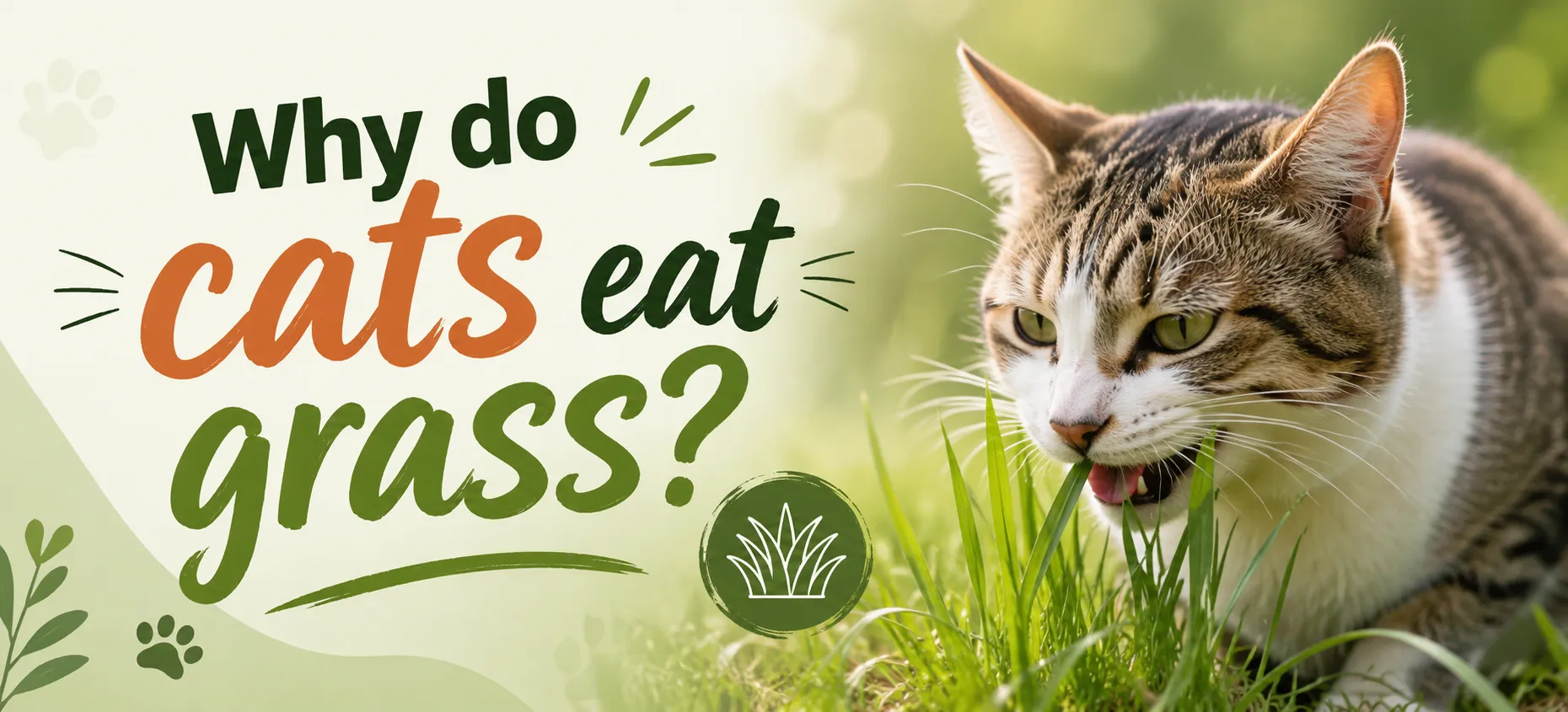
If you are a feline owner, you have probably watched your perfectly fed, carnivorous pet march outside and start grazing on the lawn like a tiny cow. It is a bizarre behavior that leaves many pet parents asking: "Why do cats eat grass?" The truth is, while cats are obligate carnivores—meaning their bodies are designed to consume only meat—eating grass is a completely natural, instinctual behavior. Felines eat grass primarily to aid their digestion. The long blades of grass act as a natural emetic (inducing vomiting to clear out hairballs) or as a laxative. Additionally, grass contains trace amounts of essential vitamins, like folic acid, that cats instinctively seek out to maintain their health.
The Digestive Purge: Managing Hairballs
To truly understand this behavior, you have to look at a cat's grooming habits and their evolutionary history. Cats spend up to 50% of their waking hours grooming themselves. During this process, their rough tongues catch loose fur, which they inevitably swallow. Because fur is indigestible, it accumulates in their stomach, forming uncomfortable hairballs.
This is where the grass comes in. Cats do not possess the necessary enzymes in their stomachs to break down raw plant matter. When they swallow long, tickly blades of grass, it irritates the lining of their gastrointestinal tract. This intentional irritation induces vomiting, allowing the cat to comfortably expel the trapped hairballs, along with any other indigestible matter (like the feathers or bones of prey they might have caught). While cleaning up the aftermath is not fun for the owner, it is highly beneficial for the cat.
A Natural Laxative and Vitamin Boost
Not all grass-eating results in a messy carpet. Sometimes, the grass travels further down into the digestive tract. When this happens, the fibrous plant matter acts as a natural laxative. It adds bulk to the stool, helping to push out waste and preventing severe constipation.
Furthermore, grass is not entirely devoid of nutritional value for felines. The juices inside blades of grass contain folic acid (Vitamin B9). Folic acid is an essential vitamin that aids in the production of hemoglobin, the protein that moves oxygen through a cat's bloodstream. If a cat is feeling slightly deficient in this nutrient, their wild instincts may drive them to graze to make up for the biological shortfall.
Feline Grazing Habits at a Glance
To summarize the complex relationship between your carnivorous pet and your backyard lawn, here is a quick breakdown of why this behavior occurs:
Reason for Eating Grass | Biological Mechanism | Ultimate Benefit for the Cat |
|---|
Expelling Indigestibles | Grass irritates the stomach lining. | Induces vomiting to safely clear out hairballs or feathers. |
Relieving Constipation | High fiber content adds bulk to the intestines. | Acts as a natural laxative for a healthy digestive tract. |
Nutritional Instincts | Grass juices contain Vitamin B9 (Folic Acid). | Supports hemoglobin production and oxygen circulation. |
Stress or Boredom | Repetitive chewing acts as a self-soothing mechanism. | Provides mental stimulation and relieves feline anxiety. |
Top Tips for Keeping Your Grazing Cat Safe
While eating grass is normal and healthy, the modern world presents certain dangers to outdoor pets. If your cat loves to graze, follow these essential steps to ensure they do it safely:
Provide Indoor Cat Grass: The safest option is to buy or grow a small pot of "cat grass" (usually a blend of wheat, oat, barley, or rye seeds) specifically for your pet to eat indoors.
Avoid Chemical Treatments: Never let your cat eat grass from a lawn that has been treated with chemical fertilizers, pesticides, or weed killers, as these are highly toxic to pets.
Check Your Houseplants: Make sure your cat is actually eating grass and not a toxic household plant. Common plants like lilies, philodendrons, and aloe vera are extremely poisonous to felines.
Monitor the Frequency: Occasional grazing is fine. However, if your cat is frantically eating grass every single day or struggling to keep food down, consult your veterinarian, as it could signal an underlying gastrointestinal illness.
Frequently Asked Questions (FAQs)
Is it normal for my cat to throw up after eating grass?
Yes, it is entirely normal. Because cats lack the enzymes to digest plant matter, the grass irritates their stomach on purpose. Throwing up is the cat's way of naturally purging their system of indigestible fur or bone.
What is the difference between cat grass and regular lawn grass?
"Cat grass" is not a specific species of plant, but rather a commercial term for a safe, indoor mixture of seeds—typically wheatgrass, barley, oats, or rye. It is grown in controlled environments without pesticides, making it much safer and often softer than the standard turf grass found in your front yard.
Can kittens eat grass?
Yes, kittens can eat grass, as the instinct develops early. However, because their digestive systems are smaller and more sensitive, you should monitor them closely to ensure they do not choke or eat excessively large amounts.
Conclusion
The next time you catch your feline friend munching on the lawn and find yourself asking, "Why do cats eat grass?", you can rest easy knowing it is a sign of a functioning biological instinct. Far from being a dietary mistake, grazing is an ancient, evolutionary tool that felines use to self-medicate, clear their stomachs, and regulate their digestive health. By providing them with a safe, pesticide-free patch of indoor cat grass, you can satisfy their wild instincts while keeping them perfectly healthy and happy within the comfort of your home.
Sources & References: ASPCA
Also Read: Why do Cats Knead?