Quick Answer
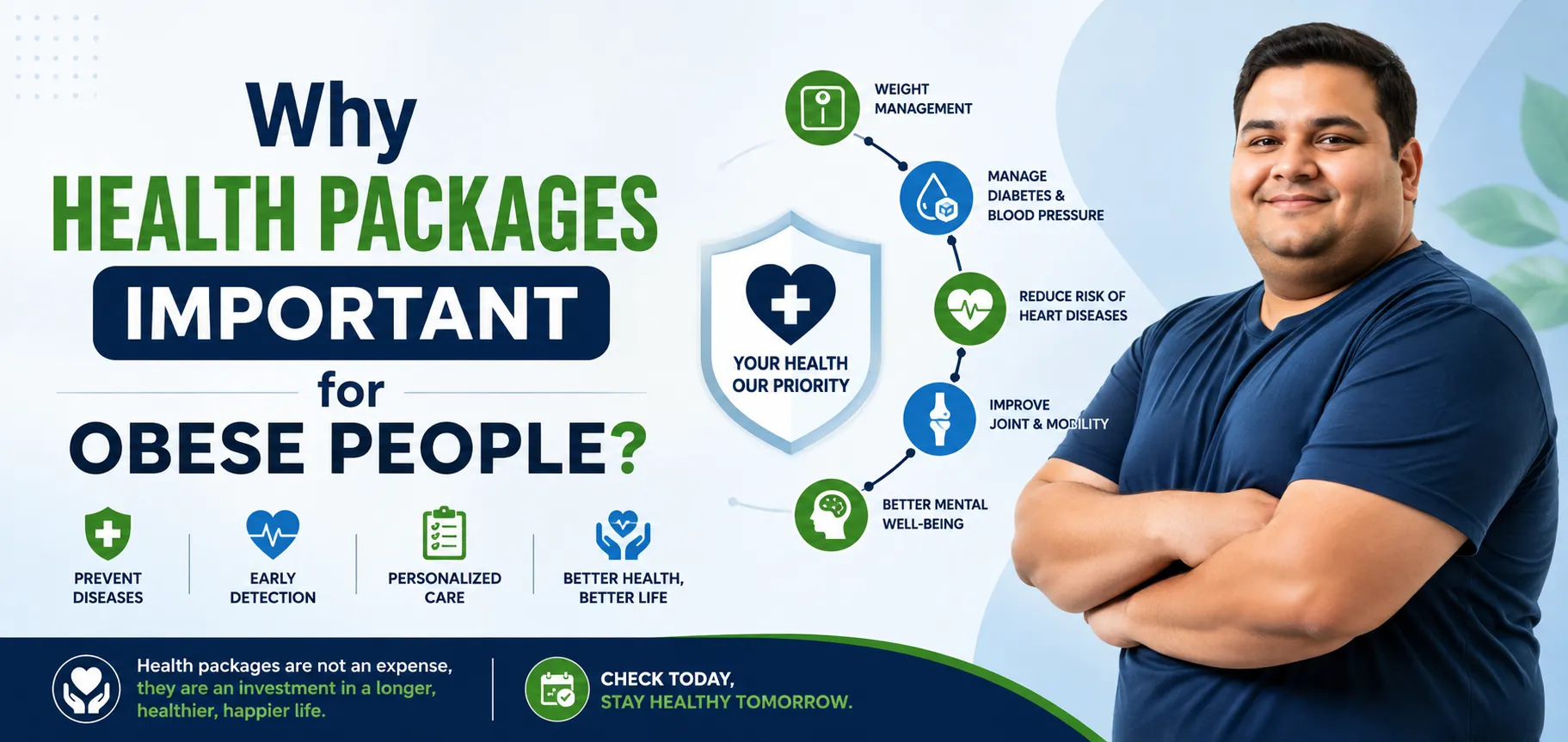
When dealing with weight management, many people focus solely on the number on the scale. However, obesity is a complex metabolic condition that impacts nearly every organ system in the body. If you have been struggling with excess weight and wondering, "Why health packages important for obese people?", the answer lies in early detection and proactive prevention. Being overweight significantly increases the risk of "silent" conditions like type 2 diabetes, cardiovascular disease, and fatty liver disease. A comprehensive obesity health checkup package looks beyond the surface, providing a detailed scientific map of your internal metabolic health.
The Hidden Risks of Excess Weight
Obesity rarely exists in isolation. The excess adipose (fat) tissue, particularly visceral fat around the abdomen, is biologically active. It releases inflammatory markers and hormones that can disrupt your body's normal functions. Over time, this can lead to insulin resistance, elevated blood pressure, and abnormal cholesterol levels. Because these conditions often develop without any noticeable outward symptoms in their early stages, individuals may feel perfectly fine while their internal organs are under immense stress.
This brings us back to the core question of Why health packages important for obese people? These diagnostic tests act as an early warning system. By taking a proactive approach and getting tested, you can identify these biochemical imbalances before they evolve into chronic, irreversible, or life-threatening medical emergencies.
What Does an Obesity Health Package Include?
A specialized health package for overweight individuals combines several diagnostic tests to evaluate organ function and metabolic health. Here is a summary of the most critical tests typically included:
Diagnostic Test | What It Measures | Why It Matters for Obese Individuals |
|---|
Lipid Profile | Total cholesterol, LDL (bad), HDL (good), and triglycerides. | Assesses cardiovascular risk, heart disease, and blocked arteries. |
HbA1c & Fasting Sugar | Average blood glucose levels over 2-3 months. | Crucial for diagnosing prediabetes, insulin resistance, or type 2 diabetes. |
Thyroid Profile | Thyroid hormone production (TSH, T3, T4). | Identifies hypothyroidism, which slows metabolism and drives unexpected weight gain. |
Liver Function Test (LFT) | Liver enzymes (ALT, AST) and bilirubin. | Detects Non-Alcoholic Fatty Liver Disease (NAFLD), highly common in obesity. |
Kidney Function Test (KFT) | Creatinine, urea, and electrolyte levels. | Evaluates kidney stress, often exacerbated by obesity-induced high blood pressure. |
The Core Benefits of Getting Tested
Taking the step to book a health package offers several life-changing benefits. Here is why you should not skip these crucial medical screenings:
Root Cause Identification: Sometimes obesity is a symptom rather than the root problem. Tests can reveal underlying hormonal imbalances, like hypothyroidism or PCOS, making weight loss nearly impossible without medical treatment.
Personalized Weight Loss Plans: Generic diets often fail. By understanding your specific metabolic markers (like severe insulin resistance or a vitamin D deficiency), a dietitian or doctor can tailor a highly specific and effective weight management program.
Preventing Complications: Catching prediabetes or high cholesterol early allows you to reverse these conditions through dietary and lifestyle changes before they require lifelong pharmaceutical medication.
Baseline Tracking: A health package provides a baseline of your current health. As you exercise and eat better, subsequent tests will prove that your internal health is improving, even if the number on the scale is slow to move.
Frequently Asked Questions (FAQs)
How often should an obese person get a health checkup?
Medical professionals generally recommend that individuals with a high BMI (over 30) undergo a comprehensive health screening at least once a year. If you have already been diagnosed with a condition like diabetes or hypertension, your doctor may recommend testing every 3 to 6 months to closely monitor your progress.
Can a health package help me lose weight?
Directly, no. However, indirectly, it is an invaluable tool. By diagnosing hidden biological barriers like a sluggish thyroid or severe vitamin deficiencies, your healthcare provider can prescribe targeted treatments that finally allow your body to respond properly to diet and exercise.
Do I need to fast before taking these tests?
Yes. Most comprehensive obesity health packages require an overnight fast of 8 to 12 hours. Tests like Fasting Blood Sugar (FBS) and Lipid Profiles require you to have an empty stomach to provide accurate, baseline readings without the metabolic interference of recently consumed food.
Conclusion
When people ask, "Why health packages important for obese people?", the true answer is empowerment. Obesity does not have to be a permanent sentence to chronic illness. By investing in a comprehensive medical screening, you are taking the blindfold off and gaining critical, life-saving insights into your own biology. Identifying risks early through targeted blood work and metabolic panels is the first, and most crucial, step in taking back control of your health and transforming your lifestyle for the better.
Sources & References: National Institutes of Health (NIH)
Also Read: Which type of neck cancer is most commonly diagnosed?