
Quick Answer
If you are managing a supply chain or manufacturing process and wondering, "Why is inspection of any product is done before dispatching?", the answer comes down to risk mitigation and quality assurance. This process, formally known as a Pre-Dispatch Inspection (PDI), acts as the final safety net before goods leave a factory or warehouse. It guarantees that the items meet all required safety, operational, and aesthetic standards. By catching defects before they are shipped, businesses save massive amounts of money on reverse logistics (handling returns), prevent regulatory fines, and ensure their end customers receive exactly what they paid for.
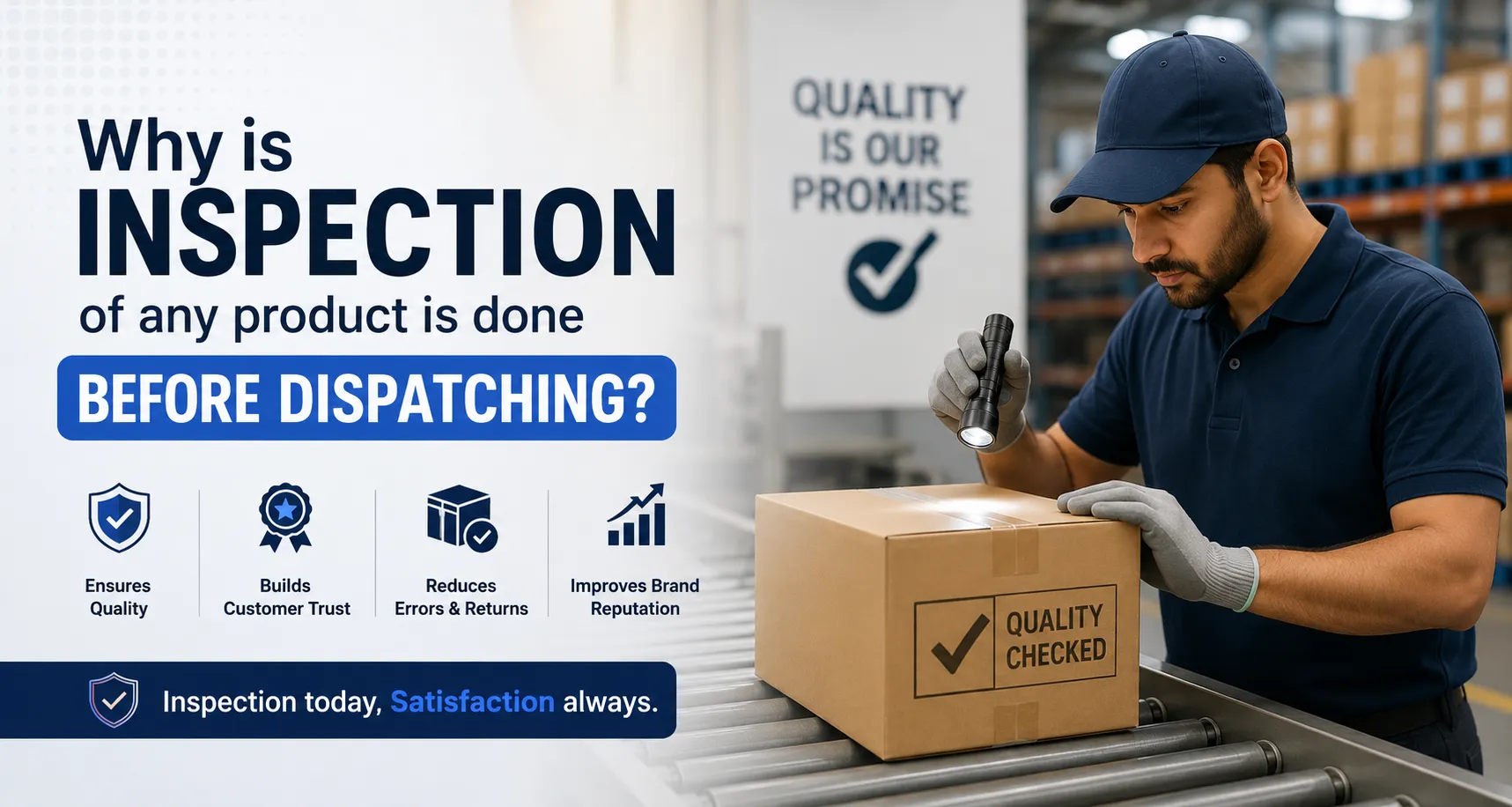
The True Cost of Skipping Inspections
In modern manufacturing, speed is heavily prioritized. There is constant pressure to get products off the assembly line and into the hands of consumers as quickly as possible. However, sacrificing quality control for speed is a disastrous business strategy.
When a defective product is shipped to a customer, the financial impact extends far beyond the cost of the item itself. The company must pay for return shipping, process the refund, manufacture a replacement, and pay to ship the item a second time. This is known as the cost of "reverse logistics," and it can entirely wipe out a company's profit margin. Furthermore, if the product fails due to a safety issue, the company could face severe legal liabilities, massive product recalls, and penalties from regulatory compliance boards.
Protecting Brand Reputation in the Digital Age
Beyond the immediate financial losses, shipping defective goods causes long-term damage to a brand's reputation. In today's digital landscape, a single disgruntled customer can post a negative review, an unboxing video showing a broken product, or a social media complaint that reaches thousands of potential buyers in minutes.
Conducting a thorough inspection before dispatching ensures that the unboxing experience is flawless. It builds a foundation of consumer trust and brand loyalty. When customers know they can rely on your company for consistent quality, they become repeat buyers and powerful brand advocates.
The Value of PDI at a Glance
To better understand the operational impact of this critical step, here is a breakdown of what happens when a company utilizes proper final inspections versus when they skip them:
Business Aspect | With Pre-Dispatch Inspection | Without Pre-Dispatch Inspection |
|---|---|---|
Financial Impact | Low return rates and predictable profit margins. | High costs associated with reverse logistics and refunds. |
Customer Trust | High loyalty; customers receive what they expect. | High churn rate; negative online reviews damage the brand. |
Regulatory Risk | Compliant with international safety and quality standards. | High risk of failed audits, safety recalls, and legal action. |
Supplier Relations | Clear communication regarding acceptable quality limits. | Constant disputes over who is responsible for defective batches. |
Key Steps in a Comprehensive Inspection
A proper Pre-Dispatch Inspection is not just a quick glance. It is a highly structured process designed to verify every aspect of the order. While the specific checks vary by industry, a standard inspection includes the following critical steps:
Quantity Verification: The inspector verifies that the exact number of units ordered matches the number of units packed, ensuring the customer is neither shortchanged nor over-shipped.
Visual and Workmanship Check: Products are examined for aesthetic defects such as scratches, dents, incorrect colors, or poor stitching.
Functionality and Safety Testing: Items are turned on, assembled, or stress-tested to ensure they perform their intended function safely and reliably.
Packaging and Labeling Audit: The inspector ensures that the packaging materials are robust enough to survive transit and that all barcodes, shipping labels, and warning stickers are accurate and scannable.
Frequently Asked Questions (FAQs)
Is every single product inspected before dispatch?
Not always. In mass production, inspecting every single item (100% inspection) is often too expensive and time-consuming. Instead, companies use a statistical method called Acceptable Quality Limit (AQL). They randomly select a representative sample of the batch. If the sample passes, the entire batch is approved for dispatch.
What happens if a batch fails the pre-dispatch inspection?
If a batch fails, the shipment is immediately halted. The defective products are either sent back to the assembly line for "rework" (fixing the errors) or scrapped entirely. The manufacturer must then identify the root cause of the defect to ensure it does not happen in future production runs.
Who conducts the pre-dispatch inspection?
Inspections can be conducted by the manufacturer's internal quality assurance (QA) team, the buyer's own representatives, or an independent, third-party inspection agency hired to provide an unbiased assessment of the goods.
Conclusion
When business leaders ask, "Why is inspection of any product is done before dispatching?", the answer is that it is the ultimate safeguard for a company's bottom line and public image. Catching a defect on the factory floor costs pennies, but catching it after it has reached the customer costs dollars, reputation, and future sales. By implementing strict pre-dispatch inspections, companies ensure regulatory compliance, minimize expensive returns, and consistently deliver the high-quality products their customers demand.
Sources & References American Society for Quality (ASQ)
Also Read: How can I lazy-load Shopify product images without affecting LCP and SEO?