Quick Answer
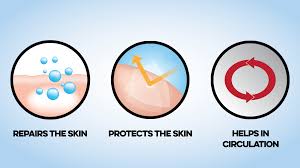
If you are streamlining your skincare routine and wondering, "Why is it important to moisturize?", the answer comes down to protecting your body's largest organ. The skin acts as a shield against the outside world, but it constantly loses water to the environment. When you moisturize, you are essentially applying a protective seal that traps water inside the skin cells, repairs the natural lipid barrier, and blocks harmful external irritants. Skipping this crucial step leads to dryness, premature aging, increased oil production, and severe flaking.
The Science of the Skin Barrier
To truly understand the value of hydration, we have to look at the biology of the skin. The outermost layer of your skin is called the stratum corneum, often described as a "brick and mortar" structure. The skin cells are the bricks, and natural fats (lipids and ceramides) act as the mortar holding everything together.
Every day, factors like hot showers, harsh soaps, cold weather, and indoor heating strip away this natural mortar. This leads to a process called Transepidermal Water Loss (TEWL), where the moisture inside your skin literally evaporates into the air. When you moisturize, you are replenishing that missing mortar. Lotions and creams contain humectants (which draw water into the skin) and occlusives (which lock that water in), ensuring your protective barrier remains strong, plump, and resilient.
Moisturizing Benefits at a Glance
Not all skin is the same, but every single skin type benefits from proper hydration. Here is a quick breakdown of how daily moisturizing positively impacts different skin profiles:
Skin Type | Primary Benefit of Moisturizing | Ideal Moisturizer Type |
|---|---|---|
Dry Skin | Prevents cracking, severe flaking, and painful tight sensations. | Thick creams and ointments with ceramides. |
Oily Skin | Balances oil production by preventing the skin from overcompensating. | Lightweight, oil-free, water-based gels. |
Sensitive Skin | Creates a barrier against environmental allergens and soothing redness. | Fragrance-free lotions with soothing aloe or oat. |
Aging Skin | Plumps the skin to immediately reduce the appearance of fine lines. | Rich creams containing hyaluronic acid and peptides. |
Pro Tips for Maximum Hydration
Knowing why you need to hydrate is just the first step; knowing how to do it correctly makes all the difference. Follow these essential steps to get the most out of your skincare routine:
Apply on Damp Skin: The absolute best time to moisturize is within three minutes of stepping out of the shower or washing your face. Applying cream to slightly damp skin traps the existing water before it can evaporate.
Do Not Forget Your Neck and Hands: These areas are exposed to the same environmental stressors as your face and are often the first places to show signs of premature aging.
Adjust for the Season: Use a heavier, richer cream during the cold, dry winter months, and switch to a lighter gel-based lotion during hot, humid summers.
Check Your Water Temperature: Washing your face or body with scalding hot water strips away natural oils instantly. Always use lukewarm water to protect your lipid barrier.
Frequently Asked Questions (FAQs)
Do I really need to moisturize if I have oily or acne-prone skin?
Yes, absolutely. This is one of the most common skincare myths. If you skip moisturizer, your skin will become dehydrated. To compensate for this lack of water, your sebaceous glands will go into overdrive, producing excess oil that ultimately leads to more clogged pores and severe acne breakouts.
Does moisturizing prevent wrinkles?
While a basic lotion cannot permanently erase deep wrinkles, it is one of the best preventative measures available. A well-hydrated face stays plump and elastic, which prevents fine lines from forming prematurely and makes existing lines far less visible.
What is the difference between a lotion, a cream, and an ointment?
The difference lies in the ratio of water to oil. Lotions have the highest water content and are the lightest. Creams have an even mix of oil and water, making them highly hydrating for daily use. Ointments have the highest oil content and are used to seal in severe dry patches or heal broken skin.
Conclusion
When people ask, "Why is it important to moisturize?", they often assume it is just for cosmetic vanity. However, maintaining your skin's hydration is a fundamental part of your overall health. By taking just a few seconds every day to properly moisturize, you are actively repairing your skin's natural defenses, preventing painful irritation, and ensuring your complexion remains balanced, healthy, and vibrant for years to come.
Sources & References: American Academy of Dermatology (AAD)
Also Read: Why is It Important to Moisturize Your Face?