
Quick Answer
When people ask, "Why off page SEO important?", the simple answer is that it acts as the digital reputation system for your website. While on-page seo focuses on optimizing your own site's content and structure, off page seo involves external actions like link building, brand mentions, and social media engagement. These off-site signals tell search engines that your website is highly trusted, authoritative, and relevant. This validation is critical for achieving higher search engine rankings, increasing domain authority, and driving sustainable organic traffic as part of any comprehensive digital marketing strategy.
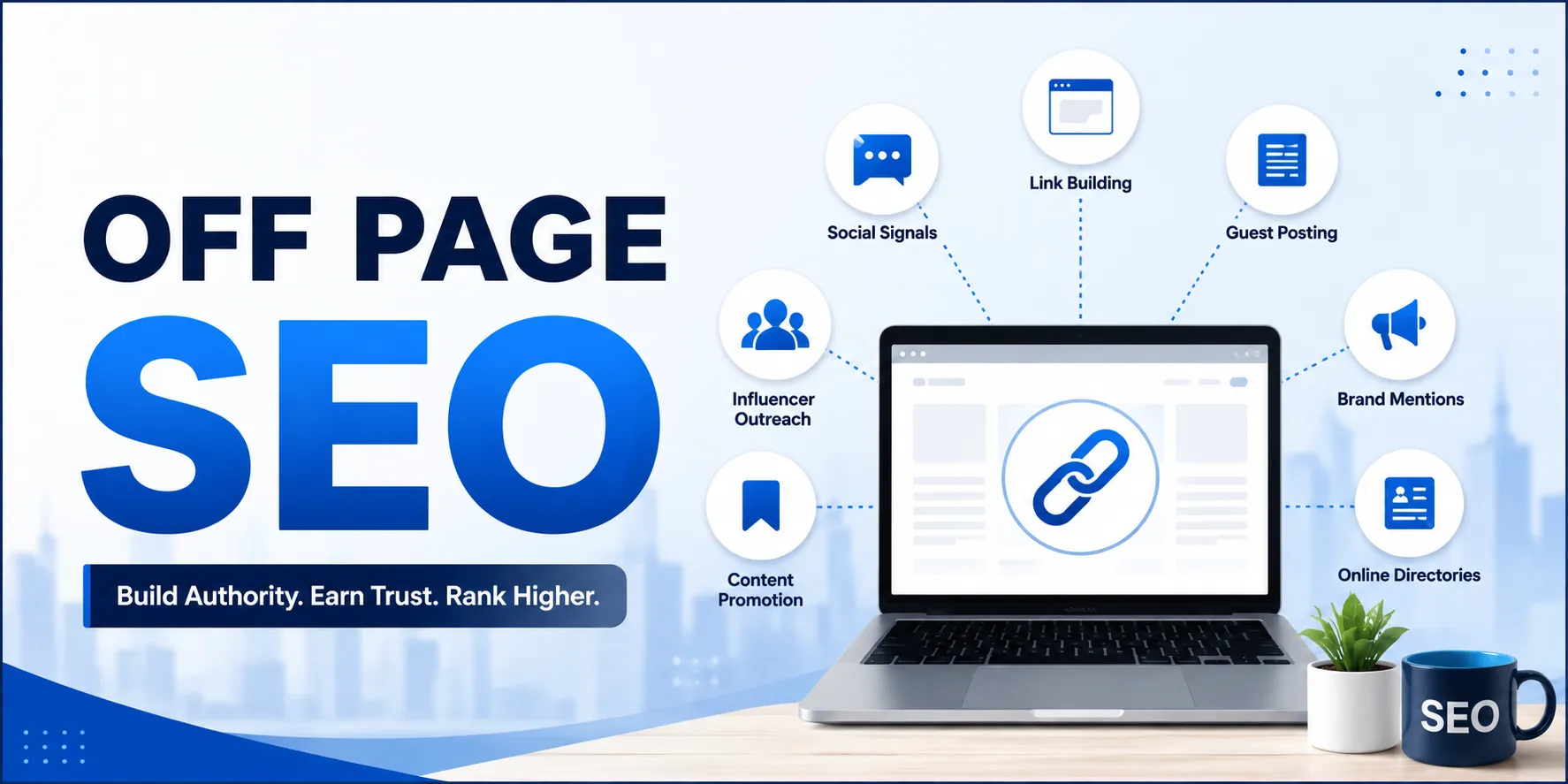
The Core of Digital Marketing: External Validation
In today’s hyper-competitive online landscape, simply publishing great content on a fast, user-friendly website is no longer enough to guarantee top spots on Google. Search engines are designed to provide users with the most accurate, reliable, and authoritative answers. But how does an algorithm determine if your website is actually trustworthy? That is exactly where off-page strategies come into play.
Search engines look at external signals to verify the quality of your content. Think of a backlink—a link from another website pointing to yours—as a digital vote of confidence. If multiple high-quality, relevant websites link to your domain, search engines interpret this as independent verification of your value. Without this external validation, even the most beautifully designed websites will struggle to outrank established competitors. This fundamental need for credibility perfectly illustrates why off page SEO important in the modern era.
On-Page vs. Off-Page Optimization at a Glance
To truly grasp the value of off-site optimization, it helps to see how it complements your internal efforts. Here is a breakdown of the two main pillars of seo:
Feature | On-Page SEO | Off-Page SEO |
|---|---|---|
Focus Area | Inside your website (content, meta tags, speed) | Outside your website (backlinks, social media) |
Primary Goal | Relevance and user experience | Authority, trust, and brand credibility |
Control Level | High (you have total control over your site) | Medium to Low (relies on third-party validation) |
Key Techniques | Keyword optimization, internal linking, formatting | Link building, guest blogging, influencer outreach |
The Key Benefits of an Off-Page Strategy
Investing time and resources into external optimization offers massive returns for your brand. Here are the core benefits you can expect:
Improves Search Engine Rankings: The ultimate goal of any optimization campaign is to climb the Search Engine Results Pages (SERPs). High-quality backlinks remain one of the most heavily weighted ranking factors for Google, directly pushing your pages higher.
Strengthens Domain Authority (DA): Domain Authority is a metric that predicts how well a website will rank. By acquiring links from reputable domains, you increase your own DA, making it easier to rank for highly competitive industry keywords in the future.
Drives Quality Referral Traffic: Off page seo does not just appeal to search engine bots; it attracts real human visitors. When a popular industry blog links to your site, their readers can click through to your pages, delivering highly targeted referral traffic that is primed for conversion.
Boosts Brand Awareness: Engaging in external activities like social media marketing and influencer collaborations puts your brand in front of new audiences. While social signals may not directly be a ranking factor, the increased visibility often leads to organic mentions and natural link acquisition.
Actionable Steps to Build Your Off-Page Profile
Understanding the theory is great, but execution is what drives real digital marketing results. If you want to build a robust external footprint, start with these proven steps:
Focus on High-Quality Link Building: Quality always beats quantity. Reach out to authoritative websites in your niche and offer to write valuable guest posts. Focus on earning links naturally rather than engaging in spammy, paid link schemes.
Utilize Broken Link Building: Find broken links on reputable websites within your industry and contact the webmaster, suggesting your relevant, high-quality content as a replacement. This provides value to them while earning you a great backlink.
Engage in Digital PR: Earning mentions in news publications, participating in podcasts, or being quoted as an expert in industry roundups can dramatically increase your brand's digital footprint and authority.
Leverage Social Media: Actively share your content across social platforms and engage in industry forums. This fosters brand loyalty and encourages others to naturally share and link to your resources.
Frequently Asked Questions (FAQ)
Is off-page optimization more important than on-page optimization?
Neither is inherently more important; they are two halves of a whole. On-page optimization ensures your site is relevant and readable, while off-page optimization provides the authority needed to actually rank. You need both for long-term success.
Do social media shares count as backlinks?
No, social media links are typically "nofollow," meaning they do not pass direct ranking authority (link equity) to your site. However, they are still vital for driving traffic, increasing brand awareness, and getting your content in front of creators who might link to you from their own websites.
What happens if I get backlinks from low-quality or spammy websites?
Search engines like Google are highly sophisticated and penalize websites that attempt to manipulate rankings through artificial or spammy link schemes. It is always better to have ten high-quality links from trusted industry sites than a thousand links from irrelevant, low-quality directories.
Conclusion
When considering why off page SEO important, remember that the internet operates on trust. Search engines want to serve the best possible results to their users, and they rely on the broader digital community to help them figure out who the true experts are. By committing to a strong off page seo strategy—focusing on quality link building, brand mentions, and relationship building—you prove to both users and algorithms that your website is an authoritative leader in your space. Embracing this side of digital marketing is the key to unlocking sustainable, long-term traffic and business growth.
Sources & References
Also Read: What is local SEO and why is it important for hospitals