
Quick Answer
People often search online, asking, "Why should we do keep Exercise?" The answer is foundational to human health: regular exercise is the single most effective way to strengthen your cardiovascular system, prevent chronic diseases, and maintain mobility as you age. Beyond the physical, it acts as a powerful catalyst for mental well-being, instantly boosting mood and cognitive focus through the release of endorphins.
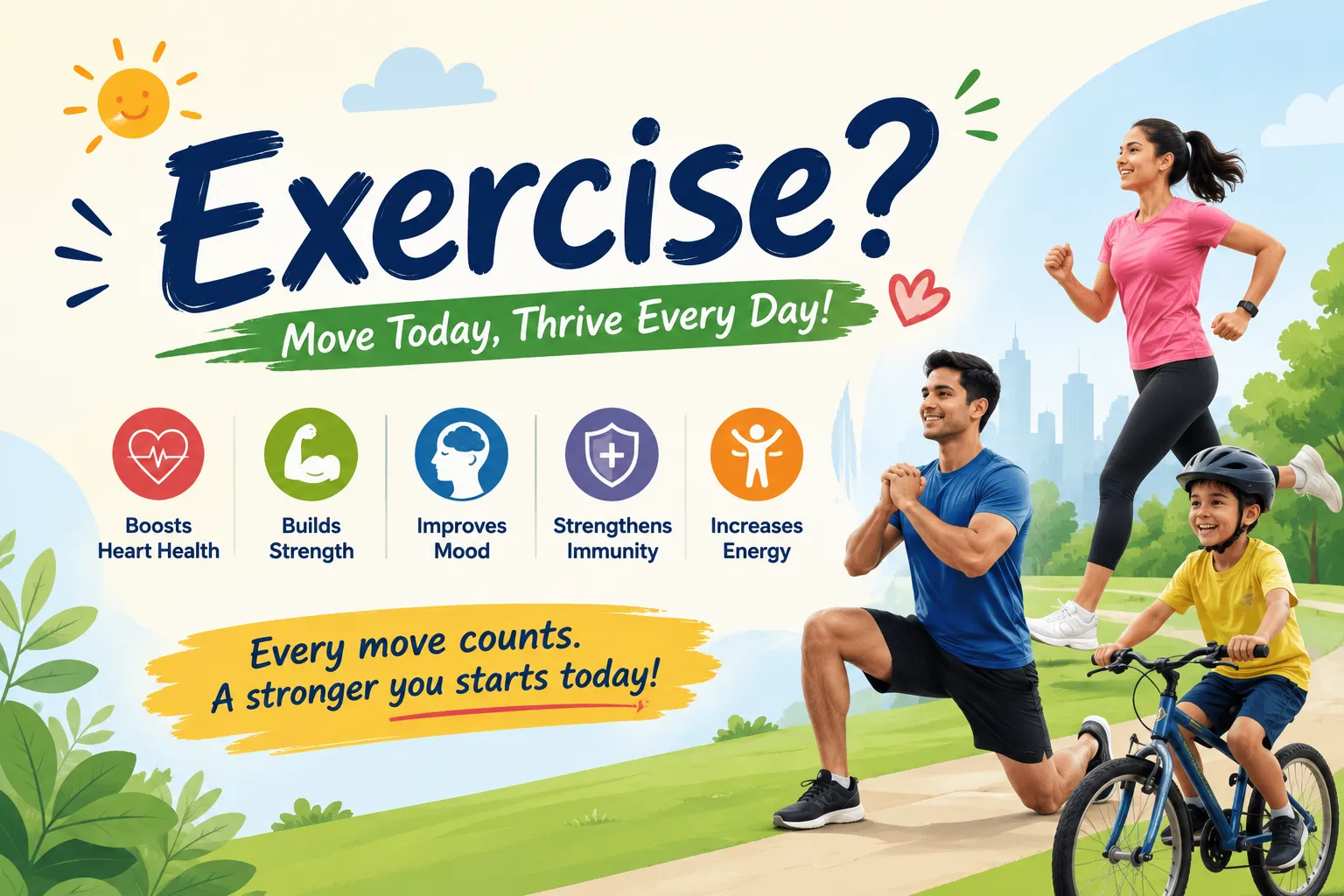
In this guide, you will learn:
The direct physical and mental benefits of staying active.
How regular movement impacts longevity and immunity.
Actionable steps to build a sustainable workout routine.
Answers to common fitness questions.
Exercise Benefits at a Glance
For readers wanting the quick facts, here is a structural breakdown of how movement impacts different systems in your body:
Benefit Category | Direct Impact of Exercise | Long-Term Result |
Cardiovascular Health | Lowers resting heart rate and blood pressure | Reduces risk of heart attacks and strokes |
Mental Health | Triggers endorphin and dopamine release | Lowers anxiety, depression, and stress levels |
Musculoskeletal System | Increases bone density and muscle mass | Prevents osteoporosis and age-related frailty |
Metabolic Health | Improves insulin sensitivity | Drastically lowers the risk of Type 2 Diabetes |
Why Should We Do Keep Exercise? (The Core Reasons)
When building a healthy lifestyle, understanding why you are moving is just as important as the movement itself. Here are the most critical reasons to prioritize fitness.
1. It Protects Your Heart
Your heart is a muscle, and like any other muscle, it needs to be challenged to stay strong. Regular cardiovascular workouts (like jogging, swimming, or cycling) improve your heart's ability to pump blood efficiently. This lowers your resting heart rate, reduces bad cholesterol (LDL), and raises good cholesterol (HDL), creating an internal environment that actively fights off heart disease.
2. It Rewires Your Brain for Happiness
If you ever wonder why should we do keep Exercise when we feel tired, look at brain chemistry. Physical activity stimulates the production of endorphins—often called "feel-good" neurotransmitters. Just 20 minutes of moderate activity can clear brain fog, reduce cortisol (the stress hormone), and provide a natural, side-effect-free mood boost that lasts for hours.
3. It Builds a Fortified Immune System
Moderate, consistent physical activity flushes bacteria out of your lungs and airways. It also causes your white blood cells (the body's immune system cells) to circulate more rapidly, meaning they can detect and fight illnesses earlier than they might in someone who is sedentary.
How to Build a Routine That Lasts
Knowing the benefits is only half the battle; maintaining the habit is where most people struggle. Follow this sequence to build a sustainable routine.
1.Start Small and Attainable:Don't start with a marathon.
If you are currently sedentary, aim for just 15 to 20 minutes of brisk walking three times a week. The goal is to build the habit of showing up before increasing the intensity.
2.Find an Activity You Genuitely Enjoy:
Exercise does not have to happen in a gym. Dancing, swimming, hiking, and martial arts all count. If you hate running, do not force yourself to run—find an alternative that feels like play.
3.Schedule it Like a Meeting:
Treat your workout block as a non-negotiable appointment. Put it on your digital calendar and protect that time just as you would a doctor's appointment or a work meeting.
4.Track Your Progress:
Write down your workouts or use a fitness app. Seeing your strength increase or your running times drop provides the psychological motivation needed to stick with it long-term.
See the Impact: Activity Tracker
Understanding how different activities impact your body can help you plan a better week. Use this interactive tool to estimate how your chosen exercises translate to energy output.
Frequently Asked Questions (FAQ)
How much exercise do I actually need every week?
The World Health Organization (WHO) recommends at least 150 minutes of moderate-intensity aerobic activity (like brisk walking) or 75 minutes of vigorous-intensity activity (like running) per week, plus muscle-strengthening activities on two or more days a week.
Is it better to exercise in the morning or evening?
The best time to work out is the time you can stick to consistently. Morning workouts can boost energy for the day and improve focus, while evening workouts can help relieve the day's stress.
Can I lose weight just by exercising?
While exercise burns calories and builds metabolism-boosting muscle, weight loss is primarily driven by diet. Physical activity is crucial for maintaining weight loss and overall health, but you cannot out-train a poor diet.
Conclusion
When we ask, "Why should we do keep Exercise?", we are really asking how we can invest in our future selves. Regular movement is not just about aesthetics or losing weight; it is a fundamental requirement for maintaining an independent, high-quality life as we age. By strengthening your heart, fortifying your immune system, and elevating your mental health, staying active is the single best prescription for longevity. Start small, find what you love, and keep moving.
Sources & References
Also Read: