Why We Celebrate Independence Day: Historical Significance
Independence Day is an important event celebrated by nations around the world to commemorate their freedom from colonial rule, or abuse. As we celebrate Independence Day, it is important to understand the significance behind this important national holiday. The reasons why we celebrate Independence Day are deeply rooted in the struggles, sacrifices and victories of our forefathers who fought for freedom and independence.
Historical Significance of Independence Day
To fully appreciate Independence Day, we need to understand its historical significance. For many countries, this was the end of a long struggle against foreign domination and the birth of a new, independent nation. In the United States, Independence Day on July 4th commemorates the adoption of the Declaration of Independence in 1776, written by Thomas Jefferson and signed by the Continental Congress, declaring the independence of the 13 colonies from British rule. This great event laid the foundation for the world's oldest democracy.
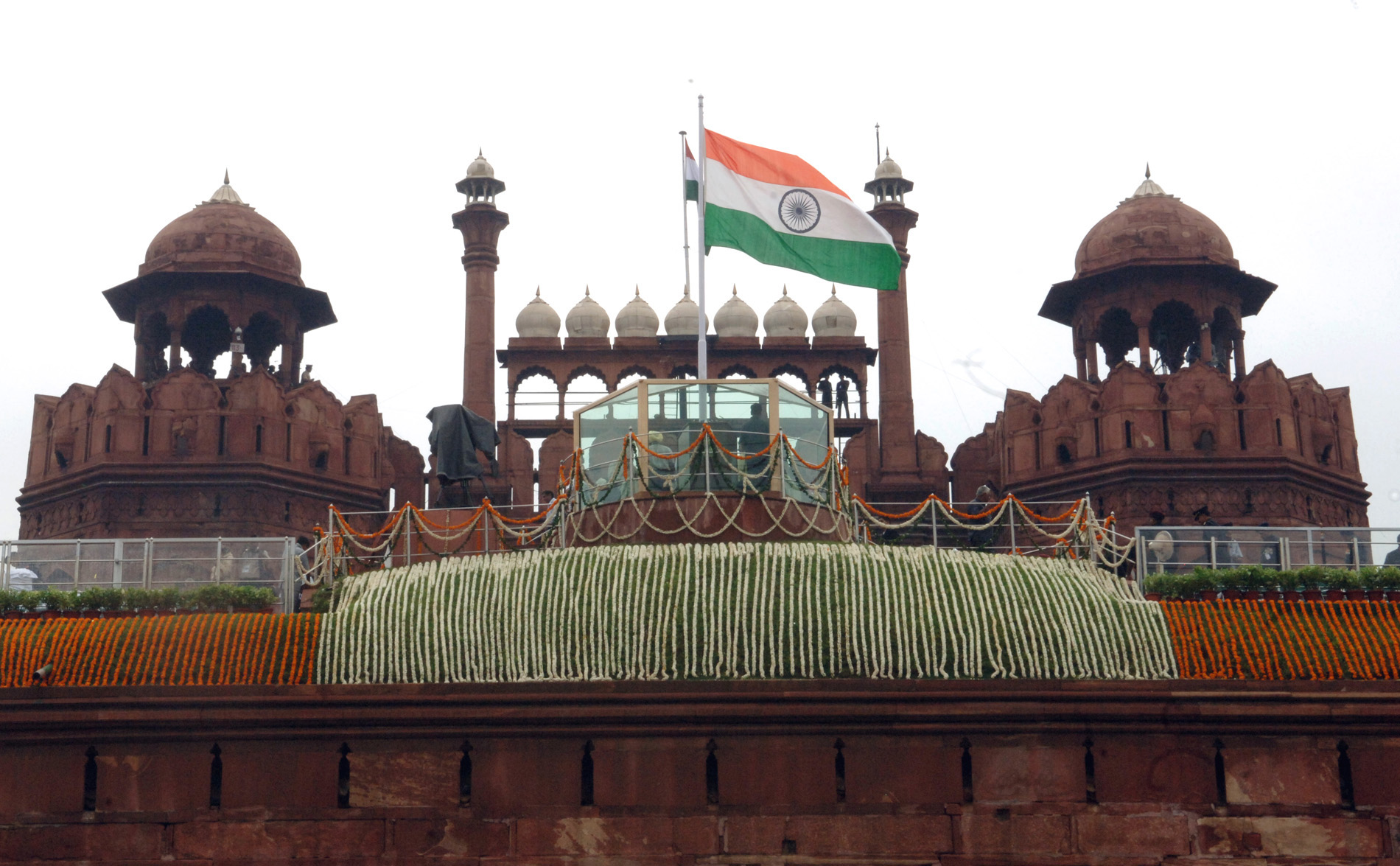
Similarly, India celebrates its Independence Day on August 15, the day it was freed from British colonial rule in 1947 after a long war. The event also involved the partition of the country into India and Pakistan, ending nearly 200 years of British rule. These celebrations mark the global victory of independence and freedom over tyranny and foreign rule.
Reasons to Celebrate Independence Day
There are many reasons why we celebrate Independence Day, and there are many reasons beyond the traditional commemoration. When we celebrate Independence Day:
Honor our forefathers: We pay tribute to those who sacrificed their lives and lives for freedom and independence.
Reflect on your national identity: Independence Day provides an opportunity to reflect on what it means to be a citizen of our country and celebrate our heritage.
Renew our commitment to democratic values: As we celebrate Independence Day, we reaffirm our commitment to the principles of democracy, freedom and equality on which our nation was founded.
Strengthening national unity: Celebrating Independence Day brings people together and transcends social, economic and political divides.
Educate the Next Generation: By celebrating Independence Day, we ensure that the historical significance of our nation's struggle for freedom is conveyed to young people.
Promote patriotism: Independence Day instills a sense of pride in our national achievements and encourages civic participation.
Historical Traditions About Independence Day
As we celebrate Independence Day, it is important to remember some important historical facts that emphasize the importance of this holiday:
1. The American Revolution led to the celebration of Independence Day in the United States, which continued from 1775 to 1783.
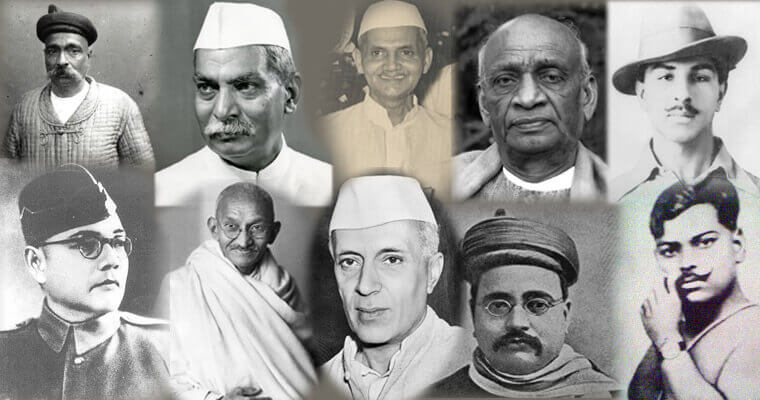
2. India's independence spanned nearly a century, with key figures such as Mahatma Gandhi leading the nonviolent resistance to British rule.
3. Many African countries celebrate their independence day in the 1960s, marking the end of European colonialism on the continent.
4. The Philippines celebrates its Independence Day on June 12, commemorating its declaration of independence from Spain in 1898.
5. Mexico's Independence Day, celebrated on September 16, is the beginning of the country's war of independence from Spain in 1810. Today's history. remind us of the various struggles for freedom that the nations of the world have faced.
The Importance of Celebrating Independence Day
When we celebrate Independence Day, we engage in a collective act of remembrance and renewal. The importance of Independence Day celebrations lies not only in their historical roots, but also in their ability to unite people and strengthen national culture. Independence Day celebrations include many parades, fireworks, concerts, and other public events. These events have several purposes:
1. They provide an opportunity for government officials to address the nation and present the nation's progress and challenges.
2. They create opportunities for educational programs that educate the younger generation about the historical significance of Independence Day.
3. They boost the local economy by increasing tourism and spending money on celebrations.
4. Displays national symbols such as flags, songs and other patriotic symbols, to strengthen the national identity.
As we celebrate Independence Day, these activities help strengthen civic ties and foster a sense of belonging among diverse populations.
Why We Celebrate Independence Day: A Global Perspective
Although the reasons why we celebrate Independence Day vary from country to country, the underlying principles are the same. Around the world, Independence Day celebrations are as follows:
Remember the cost of freedom:When we celebrate Independence Day, we recognize the sacrifices of those who fought for independence.
Confirmation of the independence of the nation:The celebration of the Independence Day guarantees the right of the people to have independence and respect the world.
Celebrating cultural identity: Many countries use Independence Day as an opportunity to showcase their unique culture and heritage.
A time for reflection: When citizens celebrate Independence Day, they often reflect on the country's progress since independence and consider the challenges ahead.
A sign of hope: For countries still fighting for independence or facing internal conflicts, the independence celebrations of other countries can be a sign of hope.
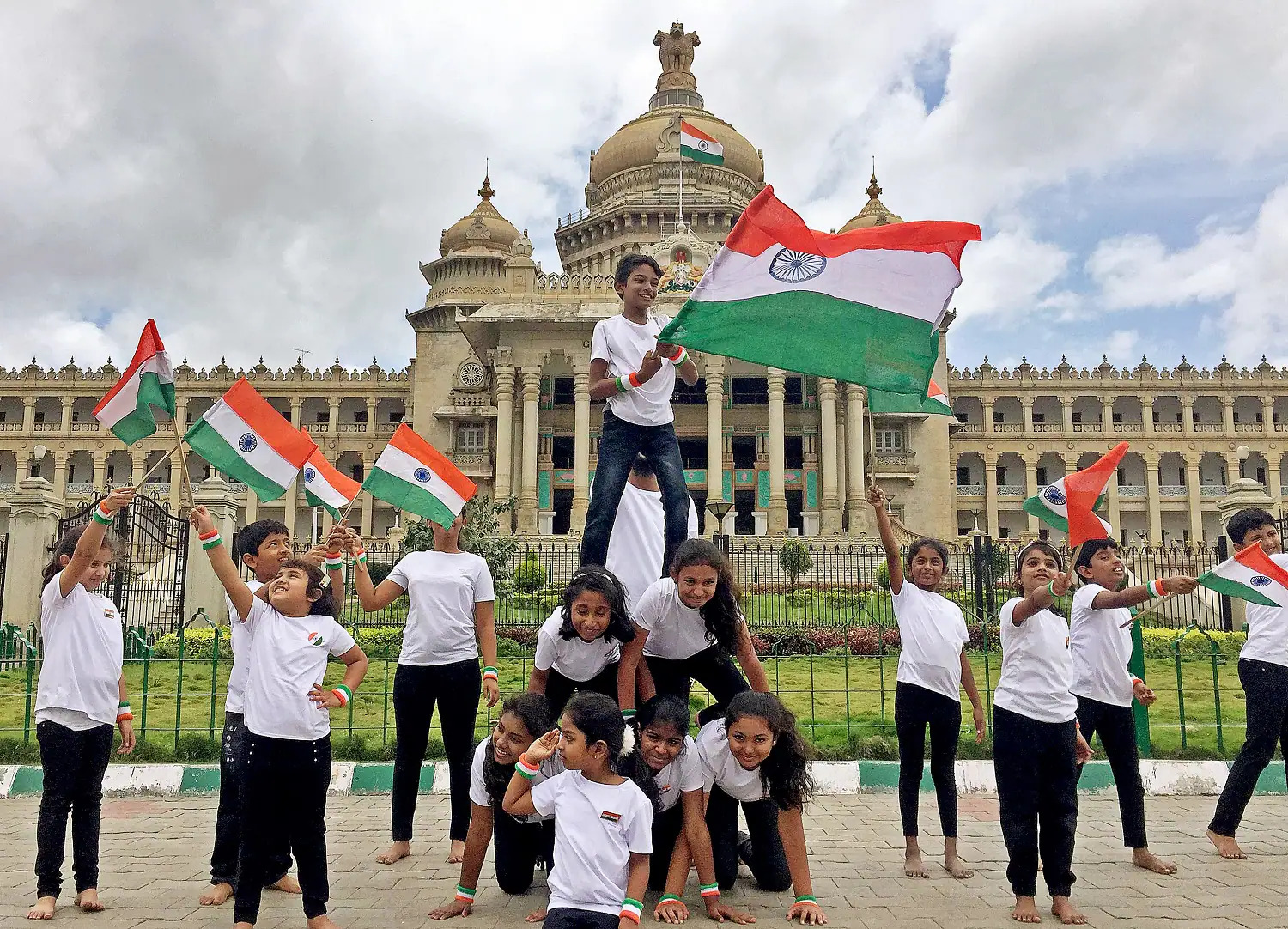
The Impact of International Independence
The historical significance of Independence Day extends beyond national borders. As we celebrate Independence Day, it's good to think about how independence movements were created in the modern world:
1. The American Revolution inspired independence movements in Latin America and Europe.
2. India's struggle for independence influenced anti-colonial movements throughout Asia and Africa.
3. The wave of declarations of independence in Africa in the 1960s dramatically changed the political landscape of the world.
4. The collapse of the Soviet Union led to the independence of many countries in Eastern Europe and Central Asia.
These interwoven stories show why we celebrate Independence Day not just as a nation, but as part of a global community that celebrates freedom and independence.
Independence Challenges in the Modern World
As we celebrate Independence Day, it is important to recognize that the struggle for independence and self-determination continues for many nations and peoples. Some of the challenges are:
1. Economic dependence on stronger countries or international institutions
2. Political interference from foreign powers
3. Ongoing conflicts for local government
4. Internal conflicts that undermine national unity
5. Global issues such as climate change require international cooperation Recognizing these challenges as we celebrate the Day Independence helps us understand the difficulties of maintaining independence in a globalized world.
Conclusion: The Enduring Importance of Independence Day Celebrations
Ultimately, Independence Day celebrates our history, affirms our values, and looks to our future. It reminds us of the sacrifices of our ancestors and the events that made our people. These celebrations unite citizens in their national identity, show progress and commitment to freedom, democracy and independence. By joining a global community that values sovereignty, we contribute to a world that respects individuality. The flame of freedom is kept alive in parades, bonfires, speeches or family gatherings. Independence Day reminds us of our common human desire for freedom and independence. Let us continue to uphold freedom, equality and justice for all.