Astrology is essentially a belief system that looks at the positions of celestial bodies like the sun, moon, and planets at the exact moment you were born to understand your personality and life path. It works on the idea that these cosmic entities have a subtle influence on our lives here on Earth. While many people find deep meaning and personal insight in it, it is important to remember that it is widely considered a belief system rather than a proven scientific fact.
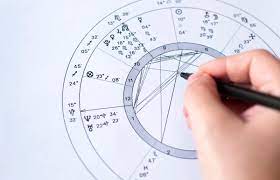
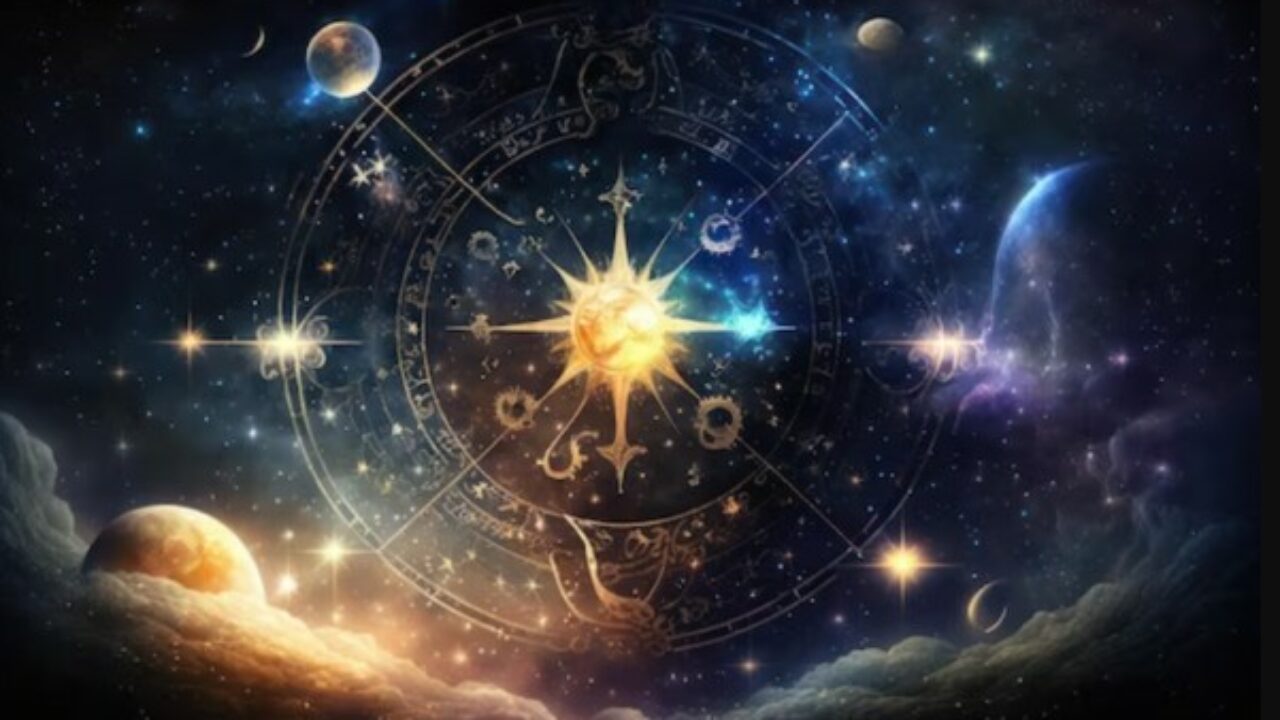
When someone wants to get into astrology, they usually start by creating a natal chart, which is often called a birth map or a horoscope. To do this, you need your exact birth date, time, and location. This data is used to map out where all the planets were positioned in the sky at that very second. The chart is divided into twelve sections called houses, each representing different parts of your life like your career, your relationships, or your home environment.
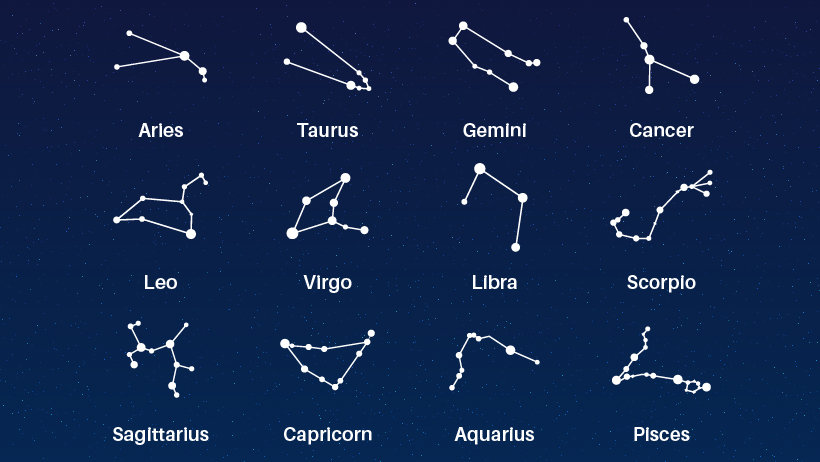
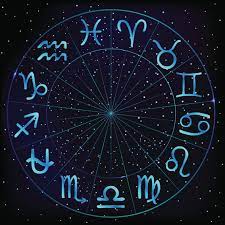
Within this chart, you have the twelve signs of the zodiac, each known for having specific traits and characteristics. For example, some signs might be associated with being more practical or driven, while others are seen as more emotional or creative. Astrologers look at the interplay between these planets, signs, and houses to build a picture of an individual. They believe that how these elements interact can highlight your natural strengths, the challenges you might face, and the overall trajectory of your life.
Even though it has been around for thousands of years and has a huge following, science has not found evidence to back up the claim that planetary positions influence our individual lives or personalities. Many people still enjoy it, however, because it can be a fun way to reflect on themselves or simply feel a sense of connection to the wider universe. Ultimately, whether it works for you often depends on your personal perspective and what you are looking to gain from the practice.
Looking for more expert answers? Read this next: Why Do People Believe in Astrology Even If It's Fake