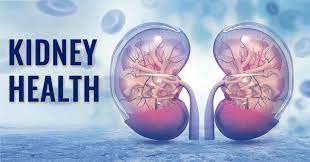
What importance our kidneys hold in the list of bodily functions need not be told. When not taken proper care of, one can develop Chronic Kidney Diseases and many other kidney related problems.
(Courtesy: VKool.com)What importance our kidneys hold in the list of bodily functions need not be told. When not taken proper care of, one can develop Chronic Kidney Diseases and many other kidney related problems.
(Courtesy: VKool.com)
1. Exercise Daily
2. Drink 8 Glass of water in a day.
3. consume fruits.
4. Avoid fast foods.
5.Avoid Alcohol
6.Drink lukewarm water after wakeup
7.Oil too oily, spicy foods.
While think about the human body kidney is one of the most important organ in human body. Now a days we people are so lazy for doing an exercise on that time kidney will easily affected, fitness of our body is so important let's we maintain that everyday.
Drink 7-8 litter amount of water per day in to our body which is helps to cleaning the kidney in the human body. And getting walk for every day from 10-15 minutes in the early morning.
Drink more water
Eat Healthy Foods
Exercise Daily
Quit Smoking
Use Herbal Remedies
Hey Members,
I am mentioning some of the tips to keep your kidneys healthy:
1. Always Stay Hydrated: Drink Plenty of Fluids
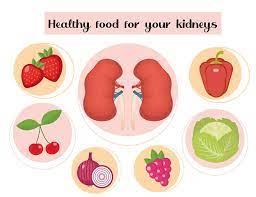
2. Eat Healthily: Eat Plenty of Fruits and Vegetables to get vital Vitamins and Minerals\
3. Monitor your Blood Pressure from time to time: An Ideal Blood Pressure is between 90/60mmHg and 120/80mmHg.
4. Avoid Smoking and Alcohol Intake: Excess of Smoking and Alcohol intake increase the risk of kidney and heart problems.
5. Workout Daily and Stay Fit. A workout is very effective for Kidneys.
Firstly the thing which affect our kidneys is all we intake in our day to day life.
So eat clean, do regular exercise and drink plenty of water even that you are not thirsty.
Avoid consuming the food which are rich in oil and fatty acid as well as junk foods.
Kidney is a vital organ of our body. Its main function is to remove waste products from our body. Our kidney filters around 200 liters of fluid in the body in a day. So we should take good care of the kidneys and maintain a lifestyle favorable for the smooth functioning of our kidneys. We should enough water so that kidney can function normally. Eat good foods and exercise regularly.Also maintain healthy lifestyles like saying no to smoking.
Also read - Is lemon water good for kidneys?

Kidney is important for excretion of wastes and toxins from our body and this function is very vital for a healthy body and life. To keep our kidney healthy and fighting fit we have to drink lots of water. Water helps the kidney to flush out the waste from body efficiently. But excess water will also not be helpful, so have to drink six to eight glasses of water daily, Exercsing regularly and not taking over the counter drugs also help to keep kidney healthy.

The kidneys play an important role in the body, filtering waste products and excess fluids from the blood and maintaining a healthy balance of electrolytes. Here are some tips to help keep your kidneys healthy:

Stay hydrated: Drinking plenty of water is essential for keeping your kidneys healthy. It helps to flush out waste and toxins from the body, preventing the buildup of harmful substances in the kidneys.
Eat a healthy diet: A healthy, balanced diet that is low in salt, sugar, and saturated fats can help to protect the kidneys from damage. Foods that are rich in antioxidants and nutrients like vitamins C and E can also help to keep the kidneys healthy.
Manage blood sugar levels: High blood sugar levels can damage the kidneys over time, so it's important to manage diabetes through regular exercise, a healthy diet, and medications as prescribed by your doctor.
Exercise regularly: Regular exercise can help to improve blood flow to the kidneys, which can help them to function more efficiently.
Avoid smoking and excessive alcohol consumption: Both smoking and excessive alcohol consumption can damage the kidneys over time, so it's important to avoid these habits if you want to keep your kidneys healthy.
Get regular check-ups: Regular check-ups with your doctor can help to detect kidney problems early, when they are easier to treat. If you have a family history of kidney disease or other risk factors, talk to your doctor about how often you should have your kidney function tested.
Overall, taking care of your overall health through healthy lifestyle habits like eating well, exercising regularly, and avoiding harmful habits can help to protect your kidneys and keep them functioning well for years to come.

To keep your kidneys healthy, focus on small lifestyle changes that protect them in the long run. Some easy tips:
Stay hydrated – Drink enough water daily, but don’t overdo it. Clear or light-yellow urine is usually a good sign.
Eat a balanced diet – Less salt, less junk food, and more fresh fruits and veggies help reduce strain on kidneys.
Control blood pressure and sugar – High BP and diabetes are major causes of kidney problems, so regular checkups are important.
Avoid too many painkillers – Overuse of medicines like ibuprofen can harm kidneys if taken often.
Stay active – Exercise regularly, even simple walking, to keep your weight and overall health in check.
Don’t smoke or drink too much alcohol – Both can damage kidney function over time.
Get regular tests – If you have a family history of kidney disease, diabetes, or high BP, ask your doctor for kidney function tests.
To keep your kidneys healthy, focus on a few daily habits:
Drink enough water – Staying hydrated helps kidneys remove toxins properly.
Eat a balanced diet – Include fresh fruits, vegetables, whole grains, and limit salty, oily, and packaged foods.
Maintain a healthy weight – Being overweight can stress your kidneys.
Control sugar and BP – High blood pressure and diabetes are major causes of kidney problems, so regular check-ups are important.
Avoid painkillers frequently – Overuse of painkillers can harm your kidneys.
Stay active – Regular exercise improves overall kidney function.
Quit smoking & limit alcohol – Both can damage kidney tissues over time.
Get regular kidney tests if you have risk factors like diabetes, high BP, or a family history of kidney disease.