M
Michael Jons· 5 days ago
Author

How to prepare for an interview for your first job?

1
36

Join this conversation

Sort By
Replying to the question above
Answered on10/07/26

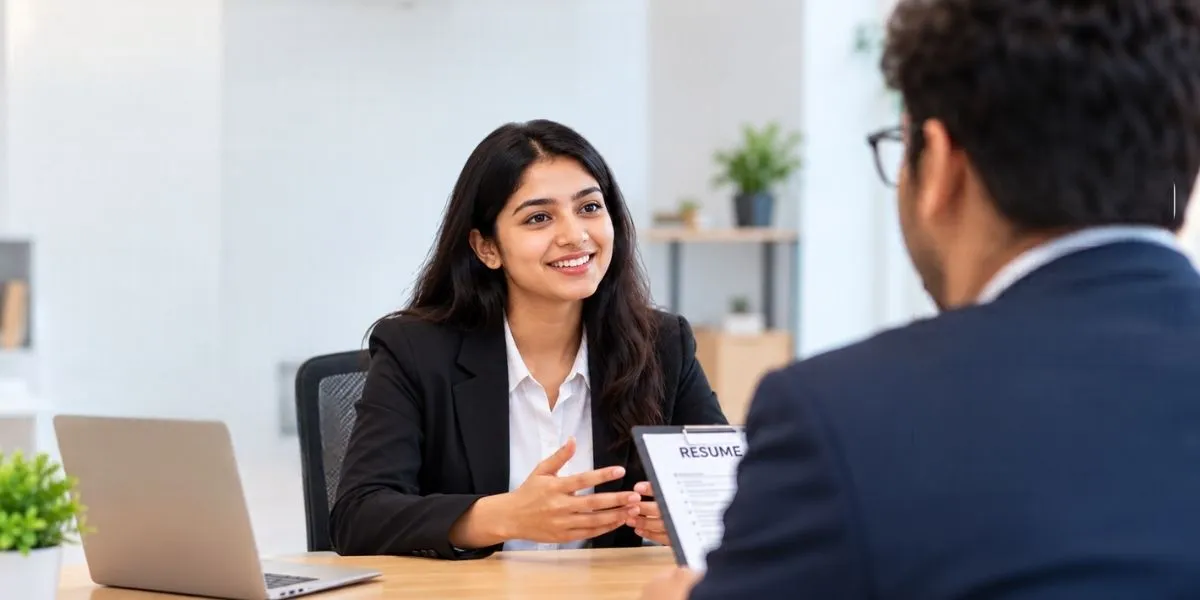
Preparing for your first job interview can feel challenging, especially when you have little or no previous work experience. The good news is that you can prepare by understanding the job, researching the company, practicing common questions, and thinking about examples from school, projects, volunteering, or other activities. Good preparation can help you communicate your skills and interests more clearly.
Article image

Whether you are applying for a part-time position, internship, or your first full-time job, the goal is not to memorize perfect answers. Instead, understand what the employer is looking for and be ready to explain what you can contribute.

First Job Interview Preparation at a Glance

Preparation Area

What to Do

Research

Learn about the company and its work

Job description

Understand the role and required skills

Common questions

Prepare clear, honest answers

Examples

Think about school, projects, or activities

Practice

Try a mock interview

Documents

Keep your resume and required documents ready

Clothing

Choose appropriate, neat interview attire

Travel

Plan your route and arrive early

Questions

Prepare a few questions for the interviewer

The Preparation: Step-by-Step

To fully understand how to prepare for an interview for your first job, it helps to break the process into simple steps.

  1. Research the company: Visit the company's official website and learn about its products, services, goals, and general work. This can also help you answer questions about why you are interested in the organization.

  2. Read the job description carefully: Look at the responsibilities and skills mentioned in the job posting. Think about which of your abilities, school projects, coursework, or activities relate to those requirements.

  3. Prepare for common questions: Practice answers to questions such as “Tell me about yourself,” “Why do you want this job?” and “What are your strengths?” Keep your answers natural rather than memorizing them word for word.

  4. Use your existing experience: A first job does not mean you have nothing to discuss. School projects, presentations, teamwork, volunteering, clubs, competitions, and other responsibilities can demonstrate useful skills.

  5. Practice a mock interview: Ask a trusted adult, teacher, mentor, or friend to ask you interview questions. Practicing aloud can make it easier to organize your thoughts and speak clearly.

  6. Prepare your documents: Keep your resume and any documents requested by the employer organized and ready. For an online interview, also check your internet connection, camera, microphone, and meeting details beforehand.

Common First Job Interview Questions

You may be asked questions such as:

  • Tell me about yourself.

  • Why are you interested in this job?

  • What do you know about our company?

  • What are your strengths?

  • What skills have you developed through school or other activities?

  • Tell me about a time you worked with a team.

  • How do you handle a difficult task?

  • Why should we consider you for this position?

For questions about situations or past experiences, the STAR method—Situation, Task, Action, Result— can help you organize your answer clearly.

What to Do on Interview Day

On the day of your interview, give yourself enough time to arrive or connect online without rushing. Dress appropriately for the role, bring the materials you need, listen carefully to each question, and answer honestly.

You do not need to pretend that you already have years of professional experience. Instead, focus on your skills, willingness to learn, education, projects, and genuine interest in the position.

It is also useful to prepare a few thoughtful questions for the interviewer, such as what a typical day in the role looks like or what skills are important for someone starting in the position.

After the Interview

Once the interview is finished, take a moment to think about what went well and what you could improve. If appropriate, you can send a short thank-you message expressing your appreciation for the interview and continued interest in the opportunity.

Conclusion

Preparing for your first job interview is mainly about research, practice, and clear communication. Learn about the company, understand the job description, prepare for common questions, use examples from your existing experiences, and arrive prepared and on time.

Also Read: How To Find A Job?
M
Helping students, parents, and institutions make smarter education decisions — one well-researched article at a time.
View Profile

Madan Singh is an education consultant and content writer with 8+ years of experience advising students, parents, and educational institutions on academic pathways, career planning, and learning strategies. He holds a Master's degree in Education Management from Delhi University, a background that grounds his writing in structured pedagogical thinking rather than generic career advice. His work spans college admissions guidance, career counselling, study abroad pathways, and competitive exam preparation, with a focus on both Indian and international education systems. He writes for CollegeDekho, Shiksha.com, and Collegedunia, where his articles are aimed at students and families making academic decisions. Over the course of his consulting practice, Madan has advised 150+ students on admissions, scholarship applications, and career planning. He has published 80+ articles across education platforms during this time, covering topics from exam strategy to international study options. Madan's approach is practice-first: his writing reflects the questions he actually gets from students and parents, not templated advice. He does not claim to cover every education topic — his focus stays on admissions, career planning, and study-abroad guidance, where his consulting experience directly applies.

0
Replying to the question above
Answered on10/05/26

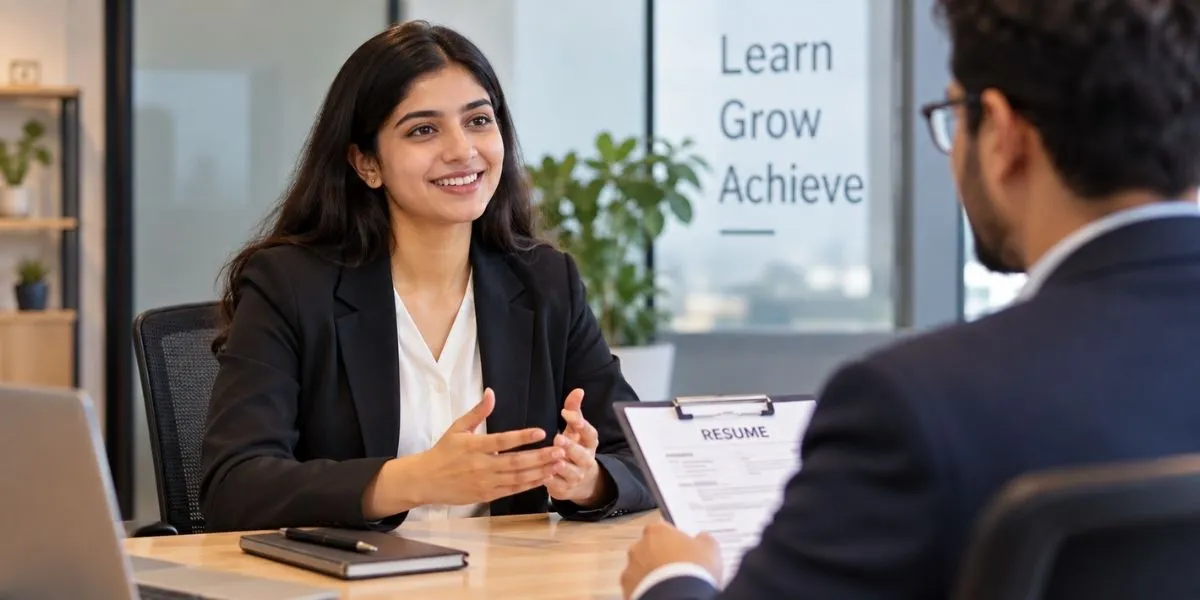
Preparing for your first job interview can feel exciting and a little stressful. Since you may not have previous work experience, employers often focus on your skills, communication, attitude, willingness to learn, and understanding of the role. Good preparation can help you feel more confident and answer questions clearly.

Article image

1. Research the Company

Before the interview, learn some basic information about the company. Visit its official website and understand what it does, what products or services it offers, and what kind of work the role involves.

You should also read the job description carefully. Identify the main skills and responsibilities mentioned in it and think about how your education, projects, activities, or skills relate to them.

2. Understand the Job Role

Make sure you know what you are applying for. Read the job description carefully and understand the main responsibilities.

For example, if you are applying for an entry-level marketing position, you may need to understand basic topics such as social media, content, communication, research, or customer needs.

You do not need to know everything. However, showing that you understand the role demonstrates preparation and interest.

3. Prepare for Common Interview Questions

Some questions are commonly asked during first-job interviews. Practice answering questions such as:

  • Tell me about yourself.

  • Why do you want this job?

  • Why do you want to work with our company?

  • What are your strengths?

  • What is one area you are working to improve?

  • What skills can you bring to this role?

  • Where do you see yourself in the future?

Practice your answers, but avoid memorizing them word for word. Your responses should sound natural and conversational.

4. Prepare Examples From Your Experience

Not having a previous job does not mean you have no experience. You can talk about school or college projects, internships, volunteering, competitions, presentations, group activities, or personal projects.

For example, if an interviewer asks about teamwork, you can describe a group project and explain what your responsibility was, what you learned, and how the team completed the task.

5. Dress Appropriately

Choose clean and comfortable clothing that fits the company's workplace culture. When you are unsure, a simple and professional outfit is usually a safe choice.

Your goal is to look prepared and present yourself comfortably rather than focusing on expensive clothing or appearance.

6. Practice Your Communication

Good communication is important in an interview. Practice speaking clearly and answering questions without rushing.

You can practice with a friend, family member, teacher, or by recording yourself. Pay attention to whether your answers are clear and relevant.

7. Prepare Your Documents and Details

Before the interview, keep important documents or information ready, such as your resume, educational details, certificates, portfolio, or project information, if relevant to the position.

For an online interview, test your internet connection, microphone, camera, and meeting link beforehand.

8. Prepare Questions for the Interviewer

An interview is also an opportunity for you to learn about the job. You can ask questions such as:

  • What would my main responsibilities be?

  • What skills are most important for this role?

  • What does a typical day look like?

  • What opportunities are available for learning and development?

9. Stay Calm and Be Honest

You do not need to know the answer to every question. If you are unsure, it is better to be honest and explain how you would learn or find the answer.

Remember that a first job interview is also a learning experience. Even if you do not get the job, you can use the experience to improve your communication and interview skills.

Quick Interview Preparation Checklist

Before the Interview

What to Do

Research

Learn about the company

Job role

Understand the responsibilities

Questions

Practice common interview questions

Experience

Prepare examples from projects or activities

Resume

Review your resume carefully

Communication

Practice clear and confident answers

Documents

Keep important information ready

Questions

Prepare a few questions for the interviewer

Technology

Test equipment for online interviews

Mindset

Stay calm, honest, and willing to learn

Conclusion

Preparing for your first job interview is mainly about understanding the role, researching the company, practicing your answers, and presenting yourself honestly. You do not need years of experience to make a good impression. Your willingness to learn, communication skills, preparation, and attitude can also show an employer that you are ready to take your first step into the workplace.

Also Read: What is micro lesson?

Tara Verma
Ten years in the classroom, shaping minds — bringing the same clarity and purpose to every piece she writes about education.
View Profile

Tara Verma is a practising teacher and education content writer with over 10 years of classroom experience across primary and secondary levels. She holds a Master's degree in Education (M.Ed.) from Delhi University and a Bachelor of Education (B.Ed.) from Jamia Millia Islamia — qualifications that ground her writing in both pedagogical theory and the day-to-day realities of teaching in India. Her content covers exam preparation strategies, learning methodologies, curriculum guidance, student mental health, career counselling for students, and the evolving state of school and higher education in India. Her work has appeared on platforms including TeacherVision India, Jagran Josh, and Careers360, where she writes for students, parents, and fellow educators who need content built on actual teaching experience — not theory alone. Over a decade of working directly with students across age groups and learning levels has given Tara a practical understanding of how education content should be written — clearly, accessibly, and with genuine awareness of the challenges students and teachers face on the ground. She has taught 1,000+ students, contributed to school curriculum development initiatives, and published 250+ articles on education across digital platforms. She is an active member of the National Council of Teachers of English (NCTE) India. Across all her writing, every recommendation is classroom-tested, every insight comes from direct teaching experience, and every article is held to the same standard she applies in her own classroom — accuracy, clarity, and genuine usefulness for the reader.

0