S
Srikanth K· 3 months ago
Author

I’m learning Data analyst. SQL and Python - which one will help me find a job more easily?

2
43

Join this conversation

Sort By
Replying to the question above
Answered on08/21/26

If your goal is to get a Data Analyst job sooner, I’d recommend learning SQL first. SQL is widely used for extracting and analyzing data from databases and is a core requirement for many entry-level analyst roles. After becoming comfortable with SQL, learn Python to handle more advanced analysis, automation, and larger datasets.

A practical path is Excel → SQL → Power BI/Tableau → Python, while building a few real projects to demonstrate your skills.

V
Author
View Profile
0
Replying to the question above
Answered on08/20/26

SQL is usually the fastest way to get an entry-level Data Analyst job because it is used daily for querying and managing data in most companies.

Python becomes a strong advantage as you grow, helping with data analysis, automation, and advanced analytics, so learning both is the best long-term approach.

K
Modern Parenting Voice
View Profile
0
Replying to the question above
Updated on08/20/26

If your goal is to get a data analyst job, learn SQL first, then Python.

  • SQL: Essential for querying and working with databases; commonly required in analyst roles.

  • Python: Useful for data cleaning, automation, analysis, and libraries such as Pandas.

  • Best approach: Learn SQL → Excel → Power BI/Tableau → Python → build 2–3 practical projects.

For most beginners, strong SQL + Excel + Power BI can help with entry-level analyst roles, while Python can give you an additional advantage.

Vibhav Aggarwal
Great work belongs to will of power
View Profile

Learner

0
Replying to the question above
Answered on08/18/26

If your goal is to get a Data Analyst job faster, start with SQL. SQL is essential for querying, filtering, and analyzing data stored in databases, and it is widely used in day-to-day analyst roles. Once you’re comfortable with SQL, add Python to stand out further—especially for data cleaning, automation, advanced analysis, and visualization.

🚀 Best approach: SQL → Excel → Power BI → Python.
Learning all four together can make you much more job-ready and competitive in the Data Analytics field.

S
View Profile
0
Answered on10/09/26

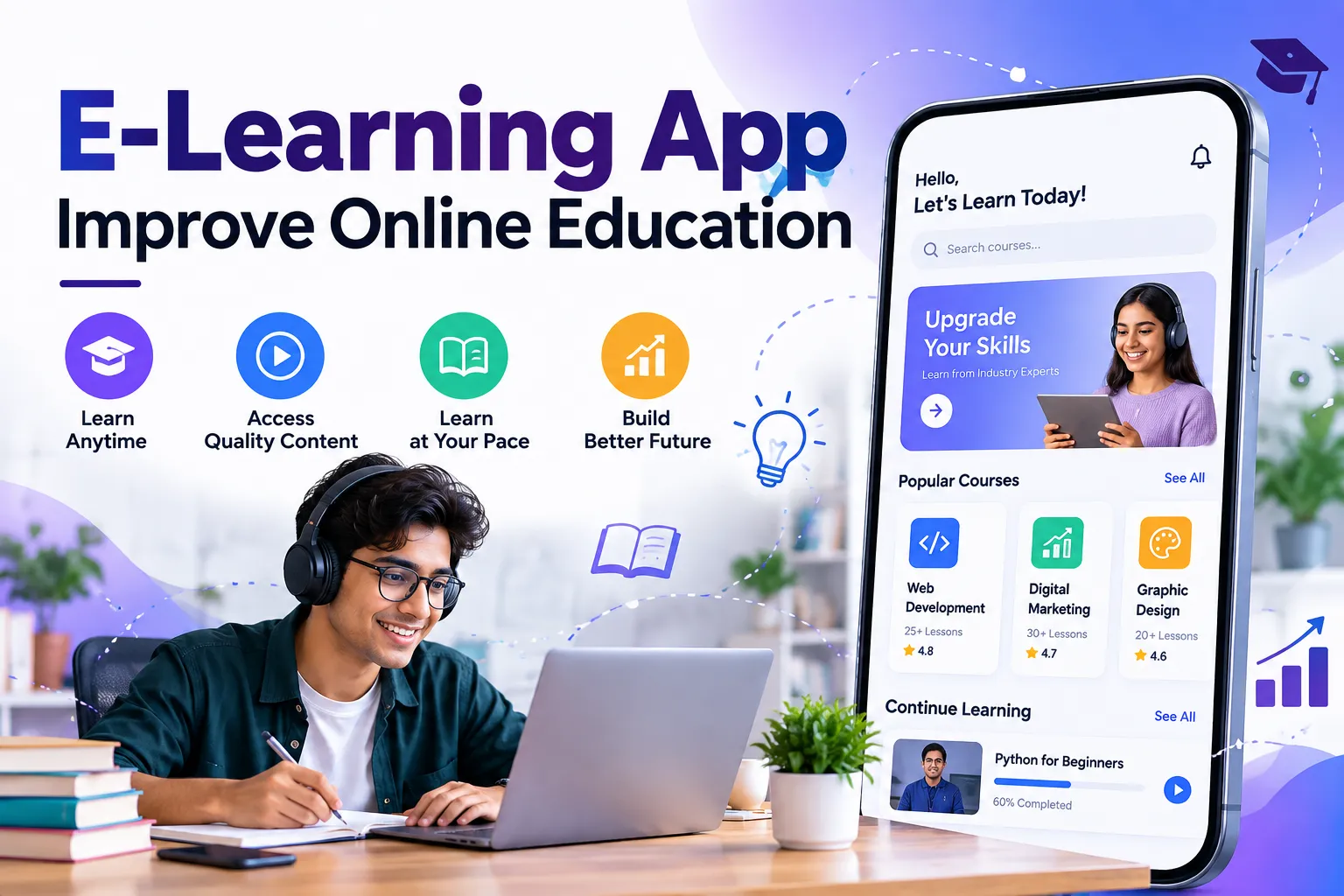
Building an e-learning app is a great idea, but the real question is: what makes students actually stick with it? Most people don’t quit because the content is bad. They quit because it feels lonely, confusing, or boring. So here’s what I’d focus on.
Article image

Make getting started effortless. Students should find a course and start learning in just a couple of taps. Add good search, clear categories, and a quick preview of what each course covers. A “continue where you left off” button on the home screen goes a long way. Also let people download lessons, because plenty of learners study while commuting or on shaky internet.

Offer both live and recorded classes. Not everyone can show up at a fixed time, so give them both options. Live classes shouldn’t feel like someone talking at a screen, so add chat, polls, and a way to ask questions on the spot. Record every session automatically and make it available soon after, with speed controls and a transcript. And keep lessons short, around 5 to 10 minutes per topic. Short videos are way easier to finish.

Use quizzes to help, not to scare. Quick quizzes after each lesson help students check if something actually sank in. The best part is instant feedback: don’t just show a score, explain why an answer was right or wrong. A “practice your weak areas” option that brings back missed questions is incredibly useful too.

Show them how far they’ve come. Progress bars, completed-lesson ticks, and simple weekly summaries make students feel like they’re getting somewhere. If you can, add a view for teachers or parents so they can notice when someone is falling behind.

Keep them motivated. This is where most apps slip. Streaks, badges, and completion certificates work well when used lightly. Leaderboards can be fun, but make them optional, since some students find them stressful. Send reminders that actually help, like a nudge before a streak breaks, but don’t spam, or people will mute you.

Don’t let students feel alone. Add discussion forums, study groups, and a way to ask doubts right under a lesson. Even quick mentor support makes a big difference.

Make it feel personal. Recommend courses based on what a student is aiming for and how they’re doing. Even simple personalization makes the app feel like it was built just for them.

Don’t skip the basics. A fast, clean, mobile-friendly design with captions, adjustable text size, and strong privacy is non-negotiable. The best features won’t matter if the app feels slow or cluttered.

My honest advice: don’t try to build everything on day one. Start with course access, live and recorded classes, quizzes, and progress tracking. Launch to a small group, listen to what they say, and then add the fun extras like gamification, community, and personalization.

If you make learning simple, interactive, and a little bit rewarding, your app won’t just deliver lessons. It’ll help students build a habit, and that’s what truly improves online education.

V
View Profile
0
0
Replying to the question above
Answered on08/14/26

For a Data Analyst job, learn both SQL and Python, but start with SQL.

SQL is usually more important for entry-level Data Analyst roles because it is used to collect, filter, and analyze data from databases. Python is also valuable for data cleaning, automation, and deeper analysis.

A good learning order is:

SQL → Excel → Python → Power BI/Tableau → Projects

So, if you have limited time, focus on SQL first and then add Python.

P
View Profile

I’m a curious learner, Data Science & AI enthusiast, and full-time tuition teacher for Classes 1–4. 👩‍🏫💻 Passionate about making learning simple, engaging, and meaningful. I love exploring education, child learning, technology, creativity, and everyday ideas. 💡 I believe every conversation is an opportunity to learn, share, and grow. 💬✨

0