Open with the simple problem that many people have: they can imagine a particular scene, design, character, room, product concept, or illustration, but turning that idea into an actual image can be difficult. Traditional photography and graphic design may require equipment, software, time and experience.
Then introduce the AI Image Generator as a tool that can translate a written description into an image, with Higgsfield, an AI creative suite for visual experimentation and content creation. Keep the explanation straightforward and avoid making exaggerated claims. The main idea should be that these tools can make experimentation easier, while the quality of the result still depends on the clarity of the idea and the person's judgment.
End the introduction by explaining that the most useful approach is not simply generating an image and accepting the first result. Instead, users can explore an idea, review the output and make thoughtful changes.
Turning Simple Ideas Into Better Images
Begin by explaining that a good image typically is based on a clear vision. A person might imagine a tranquil café on a rainy day or a modern room that has warm light, or perhaps a particular image for a personal project. The description of the idea clearly provides AI Image Generator additional information to use.
Discuss how useful descriptions could contain the main topic: surroundings,colours lighting, atmosphere, general appearance and perspective. Don't make this into a technical writing instruction. The article should be available to the general LetsDiskuss user.
Utilize a basic comparison. A description like "a beautiful garden" leaves numerous possibilities. A more precise description might include a small garden following rain, blooming plants or a pathway made of stone, gentle morning light and a peaceful ambience. The second description provides the creator a more clear picture of what the person is thinking about in his/her mind.
Then discuss experimentation. Sometimes, the initial result might have the correct subject, but not the right atmosphere. It could be that the colors are too bright or the background is distracting or a crucial element is not present. Instead of resigning to the concept you can tweak the description and then try again.
This is why the AI Image Generator is particularly beneficial for those who are looking to test different possible interpretations of the same concept. A concept can be viewed from different perspectives without requiring users to begin with a completely new idea every time.
The important point is that the technology doesn't replace the original idea. The person still decides what they want the image to communicate.
Getting More Useful Results From an AI Image Generator
A common mistake is expecting the first generated image to be perfect. Image generation is better approached as an exploratory process. The first result can reveal what works and what needs to change.
Discuss how minor adjustments could affect the final outcome. Modifying the settings, eliminating unnecessary details, describing an alternative mood, or making the lighting more clear can result in a dramatically different picture.
For example, someone creating an image of a living room might initially receive a room that feels too modern. Adding details about natural materials, warm colours, wooden furniture and soft daylight can move the result closer to the intended style.
The same principle applies to personal projects. A person planning an invitation, presentation, blog illustration, or social media post may have a general idea but not know exactly how it should look. Generating several possibilities can help them decide which direction feels most appropriate.
An AI Image Generator can therefore function as a visual brainstorming tool as much as an image making tool. It can help people see possibilities that are difficult to describe until they have something in front of them.
However, images generated by AI must be inspected with care. AI systems can create strange hands, distorted objects, wrong patterning, inconsistent lettering or even details that don't seem to make sense. These problems may not seem evident at first glance particularly if the image overall looks appealing.
This is why human review remains important. The person using the image should decide whether the result actually represents the original idea and whether it is suitable for its intended purpose.
Higgsfield can be considered as one option within this wider creative process. Rather than treating any particular platform as the answer to every image related task, users can explore different tools according to the type of project they are working on. Higgsfield may be useful when someone wants to experiment with broader AI assisted creative workflows. The focus should remain on the idea rather than the software.
Everyday Ways to Use AI Generated Images
There are a variety of situations in which people might need to create a picture without having access to an illustrator, photographer or designer.
For personal projects, created images can be used to explore ideas to create invitations, room layouts as well as hobby projects such as travel plans or innovative experimentation. A person who is planning a theme based party is able to come up with a variety of ideas for decorations before deciding on a definitive direction.
Bloggers and website owners may also use an AI Image Generator to explore illustrations for articles. This can be useful when a topic is difficult to represent through a standard photograph. A conceptual article about future cities, for example, might benefit from an illustration showing how such a place could look.
Presentations are another possible use. A written explanation can sometimes become easier to understand when accompanied by an appropriate image. Rather than searching endlessly for a picture that approximately matches an idea, a person can explore an image based on the concept they want to communicate.
Social media is another area where people experiment with generated imagery. Users may want an interesting background, seasonal illustration, themed graphic, or concept image. The important consideration is whether the image genuinely adds something to the post rather than simply being added for decoration.
Higgsfield can also be explored when a project extends beyond a single static idea and requires a broader creative workflow. For someone experimenting with different forms of digital imagery, having several creative approaches available can make the planning stage more flexible.
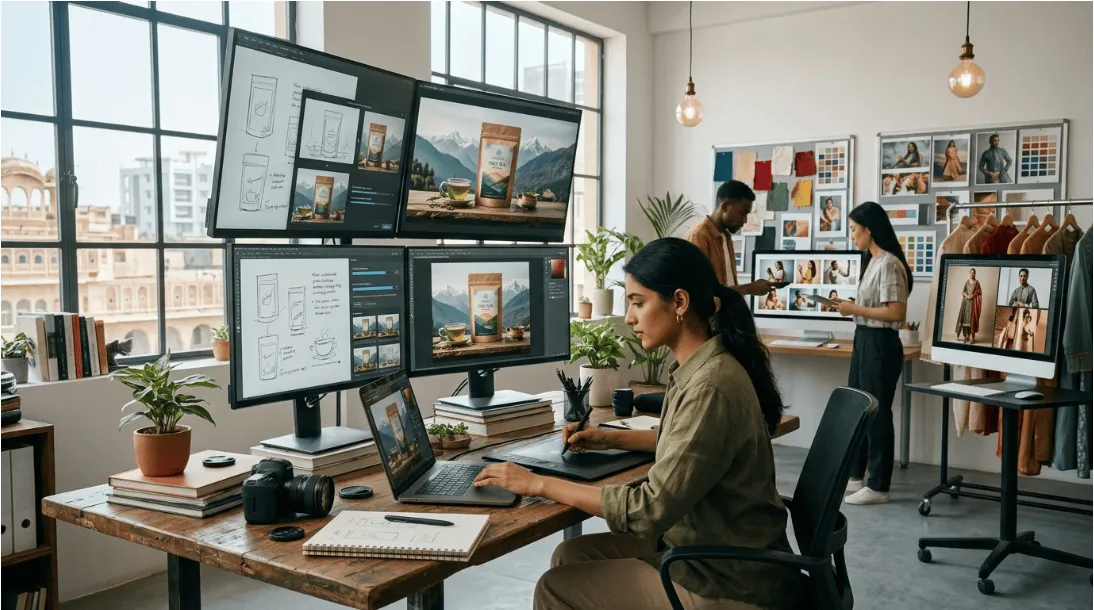
There are also educational and professional applications, although the final use should always follow the relevant organization's policies. A business might use generated imagery during brainstorming, while an individual could use it to explore a packaging concept before commissioning a professional designer.
Another useful application is simply idea development. Sometimes seeing an early visual version of an idea helps a person realise that they want something completely different. In that situation, the generated image has still served a purpose even if it isn't used in the final project.
An AI Image Generator can make this kind of experimentation faster because users can explore possibilities before committing significant time or money to a finished design.
Still, users should distinguish between a concept image and an accurate representation. A generated picture of a real product, location, person, or event may contain details that aren't factual.
What to Check Before Using an AI Generated Image
Before publishing or sharing an image, take a moment to inspect it carefully.
Look for strange details in faces, hands, jewellery, clothing, furniture, text, logos and other objects. AI generated images can sometimes look convincing at first while containing small inconsistencies.
Text deserves particular attention. If an image contains a sign, poster, book cover, product label, or invitation, check every word. Generated lettering can sometimes be misspelled or distorted.
Product images also require care. If a generated image shows a skincare bottle, phone, piece of furniture, or another real product, don't present the image as an exact photograph if it isn't. Doing so could give viewers an inaccurate impression.
Copyright and usage rights should also be considered. Different platforms may have different terms governing generated images and the rules can vary depending on the service and intended use. Users should check the applicable terms before using an image commercially.
Higgsfield, like any other creative platform, should therefore be evaluated according to its current features and usage terms rather than assumed to provide unrestricted rights for every situation.
Most importantly, don't let convenience replace judgment. An attractive image isn't necessarily an accurate or appropriate image.
Final Thoughts
The AI Image Generator is a great tool in situations where someone has an idea, but requires help to make that idea tangible. It allows for experimentation by offering different interpretations, and assists people in exploring new ideas before settling on a definitive idea.
The most successful results generally are the result of having a clear understanding, carefully written descriptions and a thoughtful review. Instead of waiting for technology to make all decisions users should consider the images generated as starting points which can be analyzed and improved.
Higgsfield is one of the platforms that people could consider using in a larger workflow for creativity, however the selection of a tool will always be based on the specific project.
In the end, the benefit for the AI image Generator isn't only that it creates an image fast. Its true value lies in providing people with ideas that otherwise would remain in their heads.