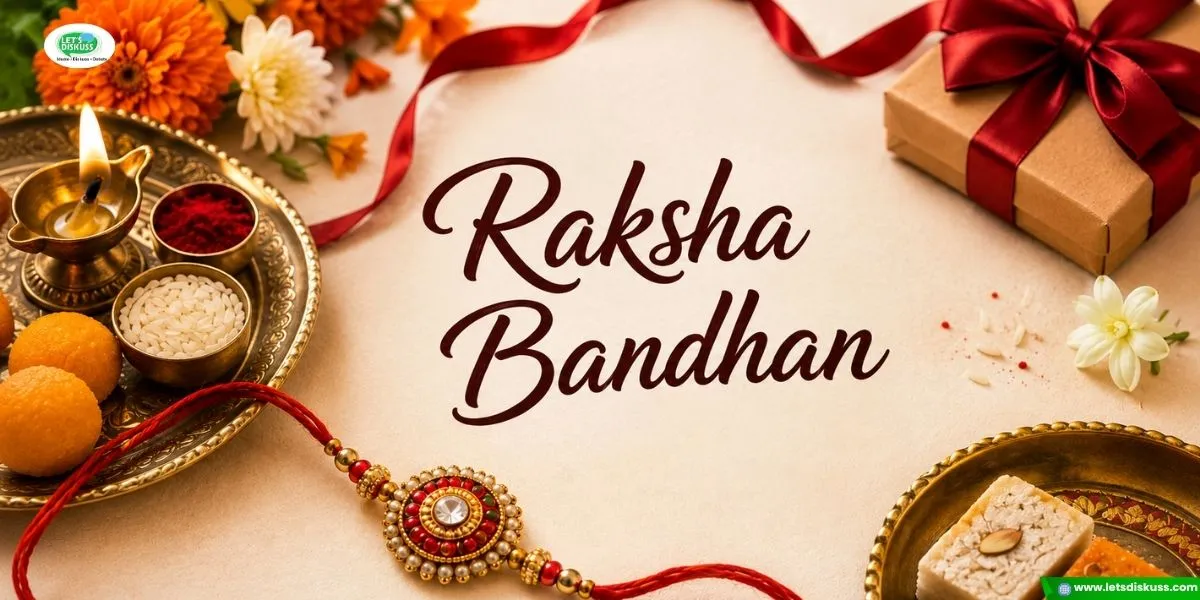
Raksha Bandhan, popularly known as Rakhi, is one of the most loved festivals celebrating the bond between siblings. The festival brings families together to express love, care, blessings, and gratitude through the traditional Rakhi ceremony, sweets, gifts, and quality time together.
But what is the meaning of Raksha Bandhan, and why is it celebrated? Is Rakhi only about the traditional bond between a brother and sister, or does it have a broader meaning today?
In this guide, we will explore the meaning and significance of Raksha Bandhan, its traditional history and customs, celebration ideas, gift suggestions, Happy Rakhi wishes, and the latest information about Raksha Bandhan 2026.
What Is the Meaning of Raksha Bandhan?
The term Raksha Bandhan is commonly understood as the “bond of protection.” Raksha refers to protection, while Bandhan means a bond or connection.
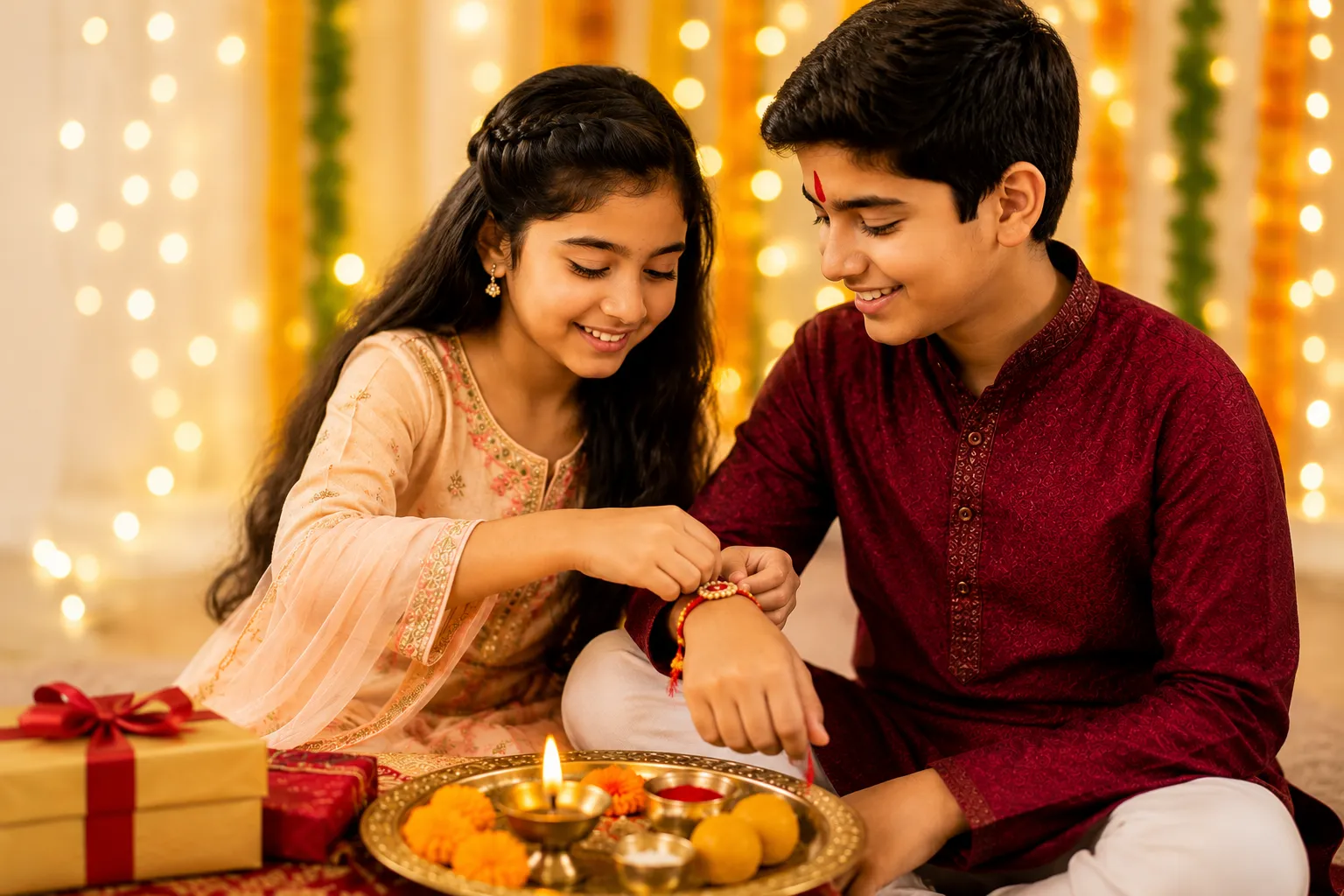
Traditionally, a sister ties a Rakhi around her brother's wrist and offers prayers and good wishes for his well-being. The brother responds with affection, blessings, and traditionally a gift for his sister.
However, the Raksha Bandhan meaning goes beyond the Rakhi itself. It represents love, trust, emotional support, and the special connection that siblings develop through shared experiences and memories.
The festival is also celebrated among cousins and other close relationships in many families. The official Incredible India portal describes Raksha Bandhan as a festival that celebrates sibling love and notes that the tradition can extend to relatives, cousins, and friends.
When Is Raksha Bandhan Celebrated?
When is Raksha Bandhan celebrated? Raksha Bandhan is traditionally observed on the full moon day, known as Purnima, during the Hindu month of Shravan.
Since the Hindu calendar follows a lunisolar system, the corresponding date on the Gregorian calendar changes every year. This is why people look for the Raksha Bandhan date, Purnima timing, and auspicious Rakhi-tying time each year.
For the latest year-specific information, always check an updated Panchang or reliable cultural source because the exact timings can depend on location.
Why Is Raksha Bandhan Celebrated?
Why is Raksha Bandhan celebrated? At its heart, the festival celebrates the love and bond between siblings.
The Rakhi ceremony gives brothers and sisters an opportunity to express affection, gratitude, blessings, and support. Families often come together for meals, sweets, gifts, prayers, and conversations.
The traditional idea of protection remains an important part of the festival, but its modern meaning has become broader. Today, Raksha Bandhan can also represent mutual support and emotional connection between siblings.
Even when brothers and sisters live in different cities or countries, the festival provides an opportunity to reconnect and celebrate their relationship.
History and Significance of Raksha Bandhan
The history of Raksha Bandhan includes several traditional stories and legends. One well-known story associated with the festival comes from the Mahabharata tradition. According to the popular account, Draupadi tied a piece of cloth around Krishna's injured finger. This story is often remembered as a symbol of affection and protection.
Another traditional legend connects Raksha Bandhan with King Bali, Goddess Lakshmi, and Lord Vishnu.
These accounts are part of religious and cultural traditions, so they are best described as traditional legends rather than independently verified historical events. Different communities may also have different versions of Raksha Bandhan stories.
The festival has also acquired broader social significance. According to Incredible India, Rabindranath Tagore encouraged people to use the Rakhi as a symbol of unity and harmony during the period surrounding the 1905 Partition of Bengal.
This gives Raksha Bandhan a meaning that can extend beyond individual family relationships: the thread can also symbolize friendship, solidarity, and social connection.
Traditional Raksha Bandhan Rituals and Customs
The exact Raksha Bandhan rituals and customs vary between families and regions, but a traditional ceremony commonly includes the following steps:
Prepare a Raksha Bandhan thali.
Place the Rakhi, tilak materials, sweets, and other traditional items on the thali.
Perform aarti or a customary blessing.
Apply tilak to the brother's forehead.
Tie the Rakhi around his wrist.
Offer sweets to each other.
Exchange gifts and blessings.
Enjoy a family meal or celebration.
The Incredible India portal lists items such as Rakhi, vermilion, rice grains, sweets, a diya, and incense among the traditional elements associated with the decorated plate.
However, there is no single way that every family must celebrate Raksha Bandhan. Regional traditions, family customs, and personal beliefs can influence the ceremony.
How Is Raksha Bandhan Celebrated in India?
How is Raksha Bandhan celebrated in India? Celebrations can range from a small family ceremony to a larger gathering with relatives.
Many families begin the day with the traditional Rakhi ceremony. Sisters perform the customary rituals, brothers and sisters exchange gifts, and everyone enjoys festive sweets and food.
Modern celebrations can look different as well. Siblings who live far apart may send Rakhis and gifts by post and celebrate together through a video call.
Some families also use the occasion to take photographs, revisit childhood memories, cook together, or organize a small family gathering.
The size of the celebration is not what makes Raksha Bandhan meaningful. The time spent appreciating and reconnecting with family is often the most important part.
Raksha Bandhan Celebration Ideas
Looking for Raksha Bandhan celebration ideas? You do not need an expensive event to make the day memorable.
1. Create a Sibling Memory Album
Collect childhood photographs and memorable family moments in a digital or physical album. You can share funny stories behind the pictures and create new memories together.
2. Prepare a Special Family Meal
Cook a favorite family meal together and finish it with traditional sweets. Coconut laddoos, motichoor laddoos, kheer, payasam, and halwa are among the festive treats mentioned by Incredible India.
3. Make a Handmade Rakhi
A handmade Rakhi can add a personal touch to the celebration. It can also be a fun activity for younger family members.
4. Organize a Sibling Game Night
Create a simple quiz about childhood memories, favorite foods, family trips, or funny moments. It is an easy way to make the celebration interactive.
5. Celebrate With Long-Distance Siblings
If your sibling cannot be there in person, send the Rakhi or gift in advance and arrange a video call during the ceremony.
6. Plan a Simple Family Photoshoot
Take a few family photographs after the Rakhi ceremony. These pictures can become memories that you can look back on in future years.
Raksha Bandhan Gift Ideas for Brothers and Sisters
A good Raksha Bandhan gift does not have to be expensive. Choosing something based on your sibling's interests can make the gift more meaningful.
Gift Ideas for Brothers
A favorite book
Personalized photo gift
Hobby-related item
Everyday accessory
Handmade card
Technology accessory
Personalized keepsake
Gift Ideas for Sisters
Personalized keepsake
Book
Handmade gift
Photo album
Hobby-related gift
Fashion or lifestyle accessory
Handwritten letter with a thoughtful present
The most meaningful gift is often the one that shows you know your sibling's personality and interests.
Happy Rakhi Wishes for Brother and Sister
If you are searching for Happy Rakhi wishes, a personal message can make the greeting more meaningful.
Here are a few ideas:
Happy Raksha Bandhan! Wishing you happiness, success, and countless beautiful memories.
Happy Rakhi! No matter how much we grow up, our childhood memories will always keep us connected.
Wishing you a beautiful Raksha Bandhan filled with love, laughter, and family time.
A sibling is someone who shares your memories and grows alongside you. Happy Rakhi!
May our bond continue to grow stronger with every passing year. Happy Raksha Bandhan!
You can also personalize your message by mentioning a shared childhood memory or thanking your sibling for always being there.
Raksha Bandhan 2026: Date, Shubh Muhurat and Bhadra Timing
For readers searching specifically for Raksha Bandhan 2026, the festival will be celebrated on Friday, August 28, 2026. The official Incredible India portal also lists August 28 as the Raksha Bandhan date.
Is Raksha Bandhan on August 27 or August 28?
There has been confusion because the Purnima Tithi spans August 27 and August 28. Current 2026 reporting and Panchang-based information identify August 28 as the Raksha Bandhan observance date.
Raksha Bandhan 2026 Shubh Muhurat
For New Delhi, Drik Panchang currently lists the Rakhi-tying window on August 28 from 5:57 AM to 9:48 AM, a duration of 3 hours and 51 minutes.
The same timing is also being reported in current news coverage.
Because auspicious timings can vary by location and Panchang calculation, readers outside Delhi should check the timing for their own city rather than treating the Delhi timing as universal.
When Is Raksha Bandhan 2026: Raksha Bandhan 2026 is on Friday, August 28, and the currently listed New Delhi Rakhi-tying muhurat is 5:57 AM–9:48 AM.
Frequently Asked Questions (FAQ)
What is the meaning of Raksha Bandhan?
Raksha Bandhan means a bond associated with protection, care, affection, and support. It is traditionally celebrated through the tying of a Rakhi between siblings.
Why is Raksha Bandhan celebrated?
Raksha Bandhan is celebrated to honor the bond between siblings and provide an occasion to express love, support, gratitude, and good wishes.
When is Raksha Bandhan celebrated?
Raksha Bandhan is traditionally celebrated on the full moon day, or Purnima, of the Hindu month of Shravan. Its Gregorian date changes each year.
Why do sisters tie Rakhi to their brothers?
Tying Rakhi is a traditional expression of affection and good wishes. The ceremony is usually accompanied by blessings, sweets, gifts, and family celebrations.
What is the significance of Raksha Bandhan?
The festival represents sibling affection, trust, care, family connection, and mutual support. Its meaning can also extend to wider ideas of friendship and social harmony.
How can you celebrate Raksha Bandhan at home?
You can prepare a Rakhi thali, perform the traditional ceremony, share sweets and a meal, exchange gifts, play family games, look through old photographs, and spend quality time together.
What are the traditional rituals of Raksha Bandhan?
Common rituals include preparing a Rakhi thali, applying tilak, performing aarti or blessings, tying the Rakhi, exchanging sweets and gifts, and spending time with family.
What is the date of Raksha Bandhan 2026?
Raksha Bandhan 2026 will be celebrated on Friday, August 28, 2026.
Conclusion
Raksha Bandhan is more than a traditional ceremony of tying a thread. It is an opportunity for siblings to reconnect, appreciate one another, share memories, and celebrate the relationship they have built over the years.
Whether you follow traditional rituals, prepare a simple family meal, exchange thoughtful gifts, or celebrate through a video call, the heart of Raksha Bandhan remains the same: valuing the people who care for and support us.
As traditions continue to evolve, Raksha Bandhan remains relevant because its central message is timeless—strong relationships are built through love, care, appreciation, and time spent together.