A Changing Dessert Culture in India
India’s dessert culture has always been diverse, with laddoos, halwas, and jalebis defining celebration tables for centuries. Yet over the last two decades, the landscape has shifted. Exposure to travel, international food shows, and social media has broadened palates. What was once limited to local mithai shops has transformed into a blend of cultures. Cakes, puddings, and mousses are no longer occasional indulgences but integral to birthdays, festivals, and even casual family dinners. This shift doesn’t mean abandoning tradition; it means making room for more flavours, textures, and styles that appeal to a modern, curious generation.
Global Flavours Meet Indian Preferences
When foreign desserts entered India, they weren’t embraced in their purest form. Indians wanted them, but with adjustments that echoed local comfort. Sweetness levels were often raised, flavours like saffron or rose were introduced, and dry fruits became common toppings. What this shows is that India doesn’t blindly adopt trends it adapts them. Indians celebrate diversity, but only when it feels like home, which is why international desserts thrive when they carry an Indian soul.
From Luxury Hotels to Living Rooms
In the early 2000s, tasting global desserts was an occasional luxury reserved for fine-dining restaurants and five-star hotels. Ordering a tiramisu or a cheesecake felt aspirational, not everyday. That changed with the rise of local bakeries, cafés, and eventually cloud kitchens. Suddenly, what was once a symbol of exclusivity became accessible. The democratization of desserts shows India’s evolving relationship with food where international items are no longer markers of class but part of daily enjoyment. Today, you can spot a tres leches cake at a small-town birthday party, showing just how far these creations have travelled.
Social Media as the Game-Changer
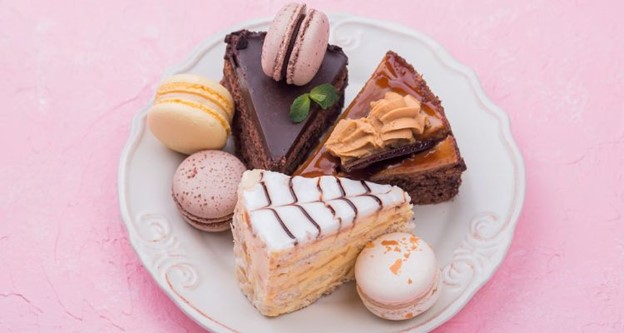
One of the biggest forces behind this evolution has been social media. Platforms like Instagram and YouTube have turned food into visual storytelling. Global desserts, with their layered textures and glossy finishes, naturally fit this culture of sharing. Indians, who already associate food with community, found pride in posting tiramisu jars or colourful macarons online. Food became not just about taste but identity. This virtual exposure pushed demand offline bakers started recreating what people saw online, giving rise to countless fusion experiments. In many ways, digital culture transformed desserts from occasional luxuries to mainstream cravings.
Celebrations Get a New Identity
Festivals and milestones in India have always been tied to sweets. But the definition of celebration desserts has expanded. Instead of only laddoos at Diwali or kaju katli at Raksha Bandhan, families now include cakes, brownies, and mousse jars on their tables. It’s not about replacing tradition but enriching it. Having both rasgullas and tres leches side by side represents how India sees celebration today: inclusive, layered, and experimental. Birthdays, weddings, and anniversaries too are marked by international cakes that carry Indian touches, proving that dessert has become an evolving language of identity and belonging.
The Role of Technology and Delivery
Accessibility has been another turning point. Earlier, availability was a barrier; today, technology has broken that. With Online Cake Delivery, people in smaller towns can enjoy global desserts once limited to metros. The rise of delivery apps and e-commerce has ensured that creamy cheesecakes, brownies, and tiramisu jars reach homes with ease. This has redefined indulgence it’s no longer restricted to those with access to fancy bakeries. Technology has made desserts democratic, blurring geographical boundaries and making international creations part of everyday life across India’s cities and towns.
Brands Leading the Evolution
The growth of Indian dessert culture owes much to innovative brands. Labels like Bakingo Cakes have recognised the dual need: authenticity and relatability. By introducing global desserts in familiar, affordable, and accessible formats, they’ve accelerated acceptance. Mango cheesecakes in summer, saffron tres leches during festivals, and jar cakes inspired by global recipes all illustrate how brands bridge global inspiration with local relevance. They’ve turned once-intimidating items into family favourites. This leadership reflects not just a business strategy but a cultural role helping redefine what Indians perceive as “celebration food” for a globalised yet rooted generation.
The Future of India’s Dessert Story
The evolution is still ongoing. As Indians travel more and global influences deepen, dessert menus will only grow wider. But the heart of this journey is fusion. India will continue to take global creations and give them a local voice—paan macarons, gulab jamun cheesecakes, or kulhad tres leches. The charm lies in adaptation, not imitation. The future is not about choosing between mithai and mousse; it’s about enjoying both on the same plate. This blending marks a cultural evolution where desserts symbolise modern India global in vision, local in soul, and endlessly inventive.