Choosing a tankless water heater for your home can seem overwhelming with the variety of options out there. As an experienced plumber in Englewood, Colorado, I’ve guided numerous homeowners to find the perfect top-tier plumbing service company solutions that align with their needs, prioritizing efficiency and comfort. Whether you’re replacing an old unit or installing one in a new home, this guide simplifies the process into clear steps. By considering your household’s hot water requirements, fuel choices, and budget, you’ll feel empowered to select a system that’s right for you.
Why Consider a Tankless Water Heater?
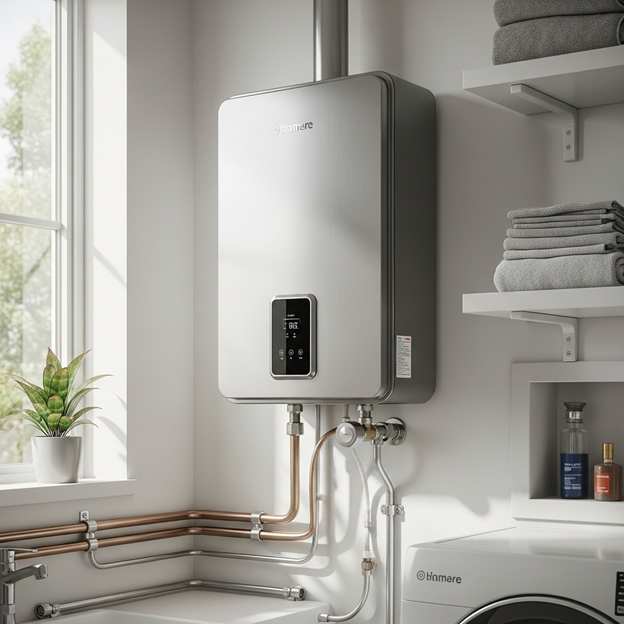
Tankless water heaters, often called on-demand water heaters, provide hot water only when you need it, unlike traditional tank models that store and constantly heat water. This design offers several benefits of switching to a tankless water heater, including energy savings, endless hot water, and a compact footprint ideal for homes of all sizes. However, picking the right model requires careful consideration of your home’s specific needs.
Step 1: Determine Your Hot Water Needs
The first step in choosing a tankless water heater is understanding your household’s hot water demands. In Englewood, where cold winters can increase hot water usage, this is especially important. To find the right unit, calculate your flow rate, the amount of hot water your home uses at peak times, measured in gallons per minute (GPM).
- Small households (1-2 people): A flow rate of 3-5 GPM is usually sufficient, covering a shower and a sink running simultaneously.
- Medium households (3-4 people): Aim for 5-7 GPM to handle multiple showers or appliances.
- Large households (5+ people): You’ll likely need 7-10 GPM for a whole-house system.
To estimate your flow rate, add up the GPM of fixtures you might use at once. For example, a standard shower uses about 2.5 GPM, a kitchen sink around 1.5 GPM, and a dishwasher about 1 GPM. By sizing your unit correctly, you avoid the frustration of running out of hot water during peak usage.
Step 2: Choose Between Gas and Electric Models
One of the biggest decisions is whether to go with a gas tankless water heater (natural gas or propane) or an electric tankless heater. Each has its pros and cons, and your choice will depend on your home’s setup and energy availability in Englewood.
- Gas Tankless Water Heaters: These are ideal for larger households with higher hot water demands. They heat water faster and can handle multiple fixtures at once. However, they require proper venting and access to natural gas or propane. In Englewood, where natural gas is widely available, this is often a cost-effective choice. Propane tankless water heaters are a great alternative for homes without natural gas lines.
- Electric Tankless Water Heaters: These are easier to install, especially in homes with limited venting options. They’re typically more compact and have lower upfront costs but may struggle to meet high flow rates in larger homes. Ensure your electrical panel can handle the load, as some units require significant power upgrades.
Consider your home’s infrastructure and long-term energy costs. Gas models often have lower operating costs in Colorado due to cheaper fuel prices, but electric models shine for their simplicity and lower installation costs.
Step 3: Focus on Energy Efficiency
An energy-efficient water heater can save you money and reduce your environmental impact. Look for models with a high Energy Factor (EF) rating, which indicates efficiency. Condensing tankless water heaters are particularly efficient, as they capture and reuse heat from exhaust gases, making them a great choice for eco-conscious homeowners. Non-condensing models, while less expensive upfront, may use more energy over time.
In Englewood’s climate, where heating demands fluctuate with the seasons, an efficient unit can make a big difference in your utility bills. Check for energy rebates or incentives offered by local utilities, as these can offset the cost of a high-efficiency model.
Step 4: Evaluate Costs and Budget
The tankless water heater cost includes both the unit and installation. On average, expect to pay $1,000-$3,000 for the unit itself, with tankless water heater installation costs ranging from $1,500 to $3,500, depending on complexity. Gas models often have higher installation costs due to venting requirements, while electric models may require electrical upgrades.
While the upfront cost is higher than traditional tank heaters, the lifespan of a tankless water heater, typically 15-20 years, combined with energy savings, makes it a smart long-term investment. Look for units with a strong tankless water heater warranty, ideally 10-15 years, to protect your investment.
Step 5: Plan for Installation and Maintenance
Proper installation is critical to performance and safety. I recommend working with a top-tier plumbing service company to ensure your unit is installed correctly. In Englewood, local codes and high-altitude considerations may affect installation, so choose a plumber familiar with the area.
Ongoing maintenance, like descaling a tankless water heater, is key to extending its lifespan. Hard water in Colorado can cause mineral buildup, so plan to descale your unit every 1-2 years. Some smart tankless water heaters offer maintenance alerts and remote monitoring, making upkeep easier.
Common Mistakes to Avoid
From years of experience, I’ve seen homeowners make a few avoidable errors:
- Undersizing the unit: Choosing a model with an insufficient flow rate leads to cold showers during peak use.
- Ignoring installation requirements: Skimping on proper venting or electrical upgrades can cause safety issues.
- Overlooking maintenance: Neglecting descaling or annual checks can shorten the unit’s lifespan.
By carefully assessing your needs and working with a trusted professional, you can avoid these pitfalls.
Making Your Final Choice
Once you’ve narrowed down your options, check tankless water heater reviews from other homeowners to gauge reliability. Compare warranties, as a longer warranty often indicates a manufacturer’s confidence in their product. If you’re torn between models, prioritize flow rate, efficiency, and compatibility with your home’s fuel source.
For Englewood homeowners, a whole-house tankless water heater sized for your household’s needs, whether gas or electric, will provide years of reliable hot water. If you’re unsure where to start, consult a local plumber who can assess your home and recommend tailored home water heating solutions.
Conclusion: Your Path to Endless Hot Water
Choosing a tankless water heater doesn’t have to be overwhelming. By calculating your flow rate, comparing gas and electric options, prioritizing efficiency, and planning for installation and maintenance, you’ll find a system that fits your home and budget. As a plumber who’s worked with countless Englewood families, I’ve seen how the right tankless unit can transform daily comfort while saving energy and space. Take your time, consult a professional, and enjoy the benefits of a reliable, efficient hot water solution for years to come.