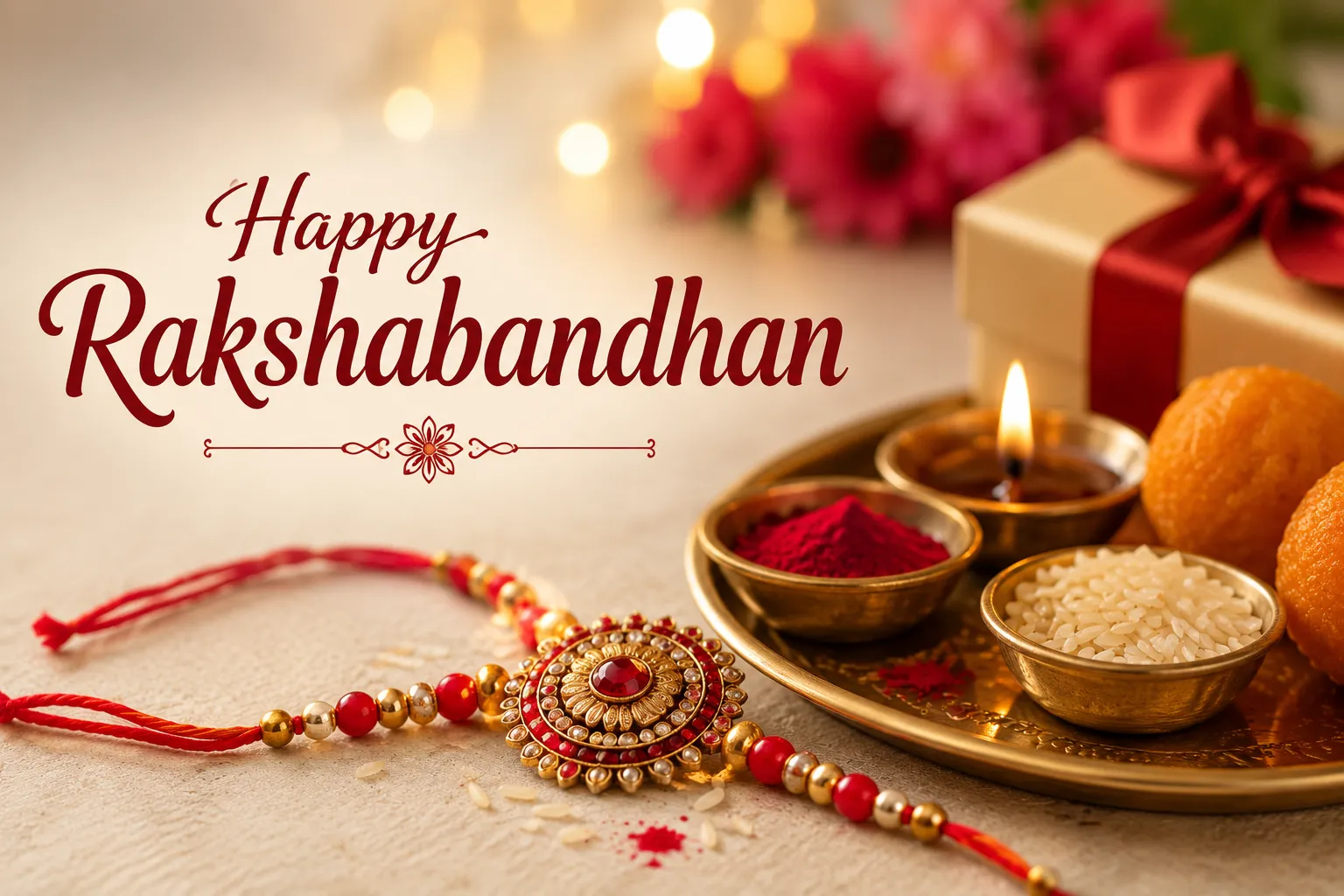
Raksha Bandhan, commonly known as Rakhi, is one of the most cherished festivals celebrated in India and by Indian communities around the world. The festival celebrates the special bond between brothers and sisters and highlights the values of love, care, trust, respect, and family. The word Raksha Bandhan comes from Sanskrit and broadly means a “bond of protection.” On this day, sisters traditionally tie a sacred thread called a Rakhi around their brothers’ wrists, while brothers express their love and promise to support and protect their sisters.
However, the significance of Raksha Bandhan goes far beyond the ritual of tying a thread. It represents an emotional connection that strengthens family relationships and reminds people of the importance of standing by their loved ones.
What Is the Meaning of Raksha Bandhan?
The meaning of Raksha Bandhan can be understood through its two words: “Raksha,” meaning protection, and “Bandhan,” meaning bond or relationship. Together, they describe a bond based on mutual care, affection, and responsibility.
Traditionally, the festival has been associated with a brother's promise to protect his sister. In modern times, however, the meaning has become broader. Brothers and sisters increasingly see Raksha Bandhan as a celebration of mutual support and lifelong companionship rather than a one-sided promise of protection.
The Rakhi itself is symbolic. It is a simple thread, but it represents memories, childhood experiences, family traditions, and the emotional connection shared between siblings.
Why Is Raksha Bandhan Celebrated?
Raksha Bandhan is celebrated to honor the relationship between siblings. Families often come together, exchange gifts, share sweets, and take part in traditional rituals.
On Raksha Bandhan, a sister usually performs a small aarti, applies a traditional tilak to her brother's forehead, and ties a Rakhi on his wrist. The brother then gives her a gift and expresses his affection and commitment to being there for her.
The celebration may differ from family to family and region to region, but its central purpose remains the same: celebrating love and strengthening family bonds.
Historical and Mythological Significance of Raksha Bandhan
Raksha Bandhan has several historical and mythological associations, which contribute to its cultural importance. Different Indian traditions tell different stories connected with the festival.
One well-known Hindu tradition connects Raksha Bandhan with Lord Krishna and Draupadi. According to a popular story, Draupadi tied a piece of cloth around Krishna's wrist, and Krishna later promised to protect and support her. The story is often remembered as an example of affection, trust, and a protective bond.
Another traditional association involves Indra and Indrani in Hindu mythology, where a sacred thread is connected with protection and blessings.
There are also historical accounts and popular traditions involving Rakhi as a symbol of friendship, goodwill, and protection beyond biological sibling relationships. These stories demonstrate that the broader idea behind Raksha Bandhan has evolved over time.
Cultural Significance of Raksha Bandhan
The cultural significance of Raksha Bandhan lies in its ability to bring families closer. In today's busy world, festivals provide an opportunity for family members to pause, reconnect, and celebrate relationships.
Raksha Bandhan also reflects important Indian cultural values such as family unity, respect for relationships, gratitude, compassion, and responsibility. The festival teaches that relationships become stronger when people care for and support one another.
Importantly, Raksha Bandhan is not limited to brothers and sisters by birth. In many families and communities, Rakhis may also be exchanged among cousins, close friends, or people who share a sibling-like relationship.
Significance of Rakhi in Modern Times
The meaning of Raksha Bandhan continues to evolve with society. Traditionally, the focus was often placed on a brother's responsibility to protect his sister. Today, many people understand the festival as a celebration of mutual protection, emotional support, equality, and respect.
A sister can support her brother just as much as he supports her. The Rakhi can therefore symbolize a promise that siblings will remain connected and help each other through different stages of life.
This modern interpretation makes Raksha Bandhan relevant to younger generations while preserving its traditional essence.
How Is Raksha Bandhan Celebrated?
Raksha Bandhan is generally celebrated with a simple but meaningful family ceremony. Common traditions include:
Sisters choosing and tying Rakhis for their brothers.
Performing aarti and applying tilak.
Brothers giving gifts to their sisters.
Sharing traditional sweets and festive meals.
Wearing traditional or festive clothing.
Visiting relatives and spending time together.
Sending Rakhis and gifts to family members who live far away.
With the growth of digital communication, families separated by distance can also celebrate virtually through video calls and online gifts.
The Importance of Raksha Bandhan Today
The importance of Raksha Bandhan lies in its timeless message: relationships need love, care, trust, and commitment. The festival gives siblings an opportunity to appreciate one another and celebrate the memories they have created together.
It also reminds us that protection does not necessarily mean physical protection. It can mean offering emotional support, listening to someone, helping during difficult times, respecting personal choices, and being present when needed.
For this reason, Raksha Bandhan remains meaningful even as lifestyles and family structures change.
Frequently Asked Questions About Raksha Bandhan
What does Raksha Bandhan mean?
Raksha Bandhan means a bond of protection. It celebrates the loving and supportive relationship between siblings.
Why do sisters tie Rakhi?
Sisters traditionally tie Rakhi around their brothers' wrists as a symbol of affection and the bond between them. Brothers traditionally promise their support and protection in return.
What is the main significance of Raksha Bandhan?
The main significance of Raksha Bandhan is to celebrate sibling love, family unity, trust, care, and mutual support.
Is Raksha Bandhan only for brothers and sisters?
Traditionally, Raksha Bandhan focuses on siblings, but the idea of Rakhi has expanded in many families to include cousins, close friends, and people who share a sibling-like bond.
Conclusion
Raksha Bandhan is much more than a festival involving the tying of a sacred thread. It is a celebration of love, family, trust, respect, and lifelong companionship. While its traditions have deep cultural and mythological roots, its message continues to evolve with modern society.
The Rakhi symbolizes a promise to care for and support one another, making Raksha Bandhan a meaningful celebration for people of different generations. Ultimately, the festival reminds us that strong relationships are built not only through tradition but also through understanding, kindness, and being there for each other.