
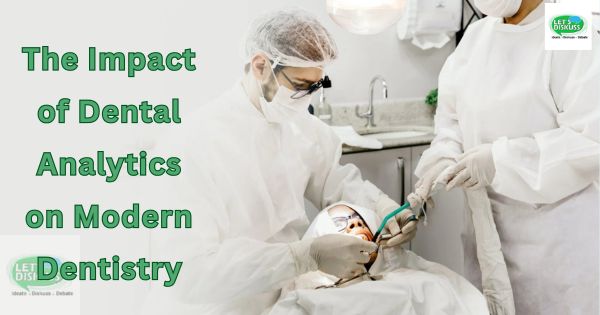
Modern dentistry has undergone significant transformations over the past few decades, moving from a largely manual and reactive practice to a sophisticated, data-driven healthcare profession. This evolution has been facilitated by technological advancements, patient education, and a deeper understanding of oral health. Today, dentists are equipped with various tools and techniques that enhance the accuracy of diagnostics, treatment planning, and patient outcomes. One of the most promising developments in this arena is the application of dental analytics, which refers to the systematic analysis of dental data to improve decision-making and patient care.
Understanding Dental Analytics
Dental analytics encompasses the collection, analysis, and interpretation of various data types within the dental practice. This includes patient demographics, treatment histories, clinical outcomes, and even financial performance metrics. By leveraging these data points, dental professionals can gain valuable insights that inform their practice, optimize patient care, and enhance operational efficiency. The integration of dental analytics into everyday practice is transforming how dentists approach patient care and treatment.
Enhancing Patient Engagement and Education
One of the most significant impacts of dental analytics is its ability to enhance patient engagement and education. By analyzing data related to patient behavior and treatment outcomes, dentists can tailor their communication strategies to better meet individual patient needs. For example, analytics can reveal trends in patient compliance with treatment plans, which can guide dentists in developing more effective educational materials and reminders. By utilizing data to understand patient preferences and motivations, dental professionals can foster more meaningful conversations, empowering patients to take an active role in their oral health.
Improving Predictive Analytics for Treatment Planning
In addition to enhancing patient engagement, dental analytics allows for improved predictive analytics in treatment planning. Dentists can utilize data to anticipate potential complications or patient responses to specific treatments. For example, by analyzing historical data from similar cases, a dentist can predict the likelihood of success for a particular procedure and make informed decisions about treatment options. This predictive capability not only enhances the quality of care provided but also increases patient confidence in their treatment plans.
Streamlining Operations and Resource Management
Dental analytics also plays a crucial role in streamlining operations and resource management within dental practices. By analyzing patient flow data and appointment schedules, dental professionals can optimize their workflows to minimize wait times and ensure the efficient use of resources. Additionally, understanding financial metrics through analytics can help practices identify areas for improvement, such as reducing overhead costs or maximizing revenue opportunities. By utilizing data to drive operational decisions, dental practices can enhance their overall efficiency and improve the patient experience.
Enhancing Diagnostic Accuracy
Another significant advantage of dental analytics is its contribution to diagnostic accuracy. By analyzing clinical data, dental professionals can identify patterns and correlations that may not be immediately apparent. For example, analytics can help in diagnosing complex conditions by correlating symptoms, treatment outcomes, and patient histories. With a more comprehensive understanding of the factors that contribute to various dental conditions, dentists can make more accurate diagnoses and develop targeted treatment plans.
Facilitating Personalized Treatment Approaches
Personalized medicine is a growing trend across healthcare, and dentistry is no exception. Dental analytics enables practitioners to move away from a one-size-fits-all approach to treatment. By analyzing individual patient data, including genetic factors, lifestyle choices, and medical histories, dentists can tailor treatments to fit each patient’s unique needs. This personalized approach not only enhances the effectiveness of treatments but also fosters stronger relationships between dentists and their patients, as individuals feel more understood and valued.
Optimizing Preventive Care
Preventive care is a cornerstone of modern dentistry, and dental analytics significantly enhances this aspect of patient care. By tracking trends in patient health and identifying risk factors, dentists can proactively recommend preventive measures tailored to individual patients. For instance, if data analysis reveals that a patient is at a higher risk for cavities due to their dietary habits or oral hygiene practices, the dentist can provide personalized advice and interventions to mitigate this risk. This focus on prevention not only improves patient outcomes but also helps reduce the need for more invasive and costly treatments in the future.
Driving Research and Development
The integration of dental analytics is also advancing research and development within the field. By compiling extensive datasets from diverse dental practices, researchers can identify emerging trends, evaluate treatment efficacy, and develop new protocols. This wealth of data aids in clinical research and the development of evidence-based guidelines, ultimately leading to improved standards of care across the industry. As dental analytics continues to evolve, its role in driving innovation in dental research will become increasingly vital.
Building a Data-Driven Culture
Transforming patient care through dental analytics requires a cultural shift within dental practices. Embracing a data-driven culture means that all staff members, from dentists to administrative personnel, must understand the value of data and analytics in enhancing patient care. Training and education are essential to ensure that all team members are equipped to utilize analytics in their roles effectively. By fostering a culture that prioritizes data-driven decision-making, dental practices can unlock the full potential of dental analytics.
In conclusion, the impact of dental analytics on modern dentistry is profound and far-reaching. By harnessing the power of data, dental professionals can enhance patient engagement, improve diagnostic accuracy, streamline operations, and provide personalized, preventive care. As the field continues to embrace this data-driven approach, the future of dentistry promises to be more effective, efficient, and patient-centered than ever before. The journey toward transforming patient care through dental analytics is just beginning, and its potential to revolutionize the dental landscape is immense.