Many food products that were once popular in India have been discontinued over the years due to changing consumer preferences, low sales, or companies updating their product portfolios.
Some well-known examples include:
Shyam-G
Hippo Chips (temporarily discontinued before a limited return)
Pepsi Blue (older version)
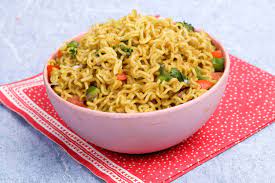
Maggi Dal Atta Noodles
Haldiram Minute Khana (selected products)
Various regional snack and biscuit variants that were phased out due to low demand
Food brands regularly discontinue products when they don't perform well in the market or when they introduce newer flavors and healthier alternatives.
As someone working in the FMCG snack industry, I've noticed that today's consumers prefer products with:
Better taste and quality
Hygienic packaging
Affordable pricing
New and exciting flavors
Consistent availability
Because of this shift, many snack manufacturers are focusing on innovative products such as flavored popcorn, premium potato chips, namkeen, and ready-to-eat snacks instead of older low-demand items.
The Indian packaged snacks market continues to evolve, and companies that maintain quality, hygiene, and innovation are more likely to succeed than those relying only on legacy products.
I work in the snack manufacturing industry, so these observations are based on my experience and current FMCG market trends.
If you'd like to learn more about how packaged snacks are manufactured in India, you can read this detailed guide.