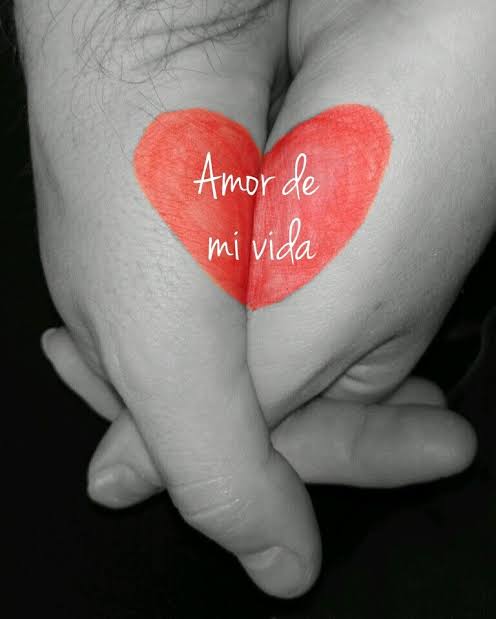

Mi vida is a Spanish word that literally means “my life”. But its meaning may vary according to the context that it is used in.
Colloquially, mi vida is a term of endearment. It can be used when speaking to someone you care about such as a partner, family member, close friend or loved one.
Mi Vida is the Spanish for My Life.
En español:
Mi = Me Life = Vida
So, the literal translation into English is “my life.
For instance:
“Eres mi vida” means “You are my life.”
It can also be used to express affection, love, or emotional closeness in some contexts.
What Is Mi Vida In English?
Its nearest translation is:
My life.
But if someone calls another person “mi vida” it can mean something like:
My darling
Darling mine
My sweetie. My honey. My love.
The specific meaning depends on the relationship between people and the context in which it is used.
Is Mi Vida Romantic ?
It can be romantic but not necessarily so.
It could be used as a term of endearment to someone you love or care about. In some Spanish-speaking cultures it is also common to use affectionate expressions in a casual context with family members or close people.
For example, a parent might refer to their child as “mi vida” (my life).
Before you leap to the conclusion that the phrase is romantic you should consider the context and the relationship.
How do you use "Mi Vida" in a sentence?
Here are a few basic examples:
Mi vida es hermosa. -- My life is beautiful.
You are my life. Eres mi vida.
"Hello my life. Hello my darling / my love.
Thanks, my life. Thanks baby.
The meaning can vary a bit depending on how the phrase is used.
What Is the Difference Between “Amor” and “Mi Vida”?
Both can be affectionate but not quite the same.
Mi vida is literally “my life” and amor means “love.”
For example,
My life = Mi vida My darling = Mi vida My love = Mi amor
Both can be terms of endearment, but it is contingent upon the speaker, relationship and situation.
Final Thoughts
"Mi vida" is Spanish for "my life". When speaking to another person it can also be a term of endearment “ my love ” or “ my dear ” or “ my darling ” depending on context .
So if someone calls you “mi vida” don’t think that it’s always romantic thing. The intended meaning of the phrase depends on context of use and relationship.
Also Read: What does namaste mean ?
Source & Reference: