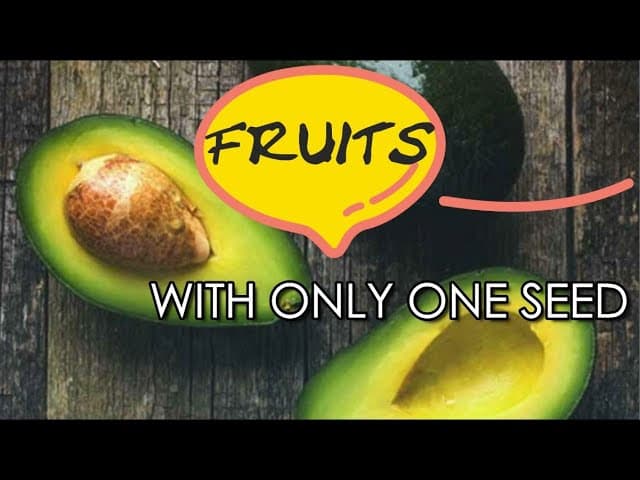
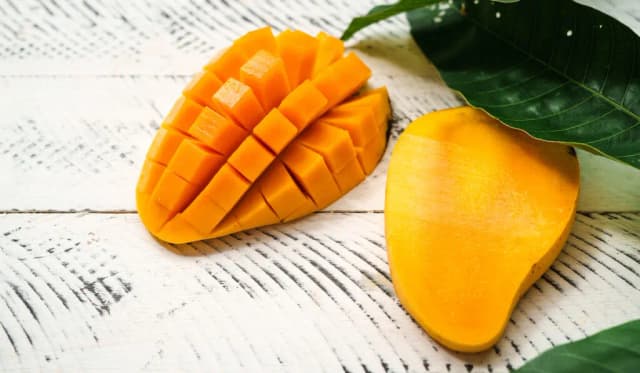
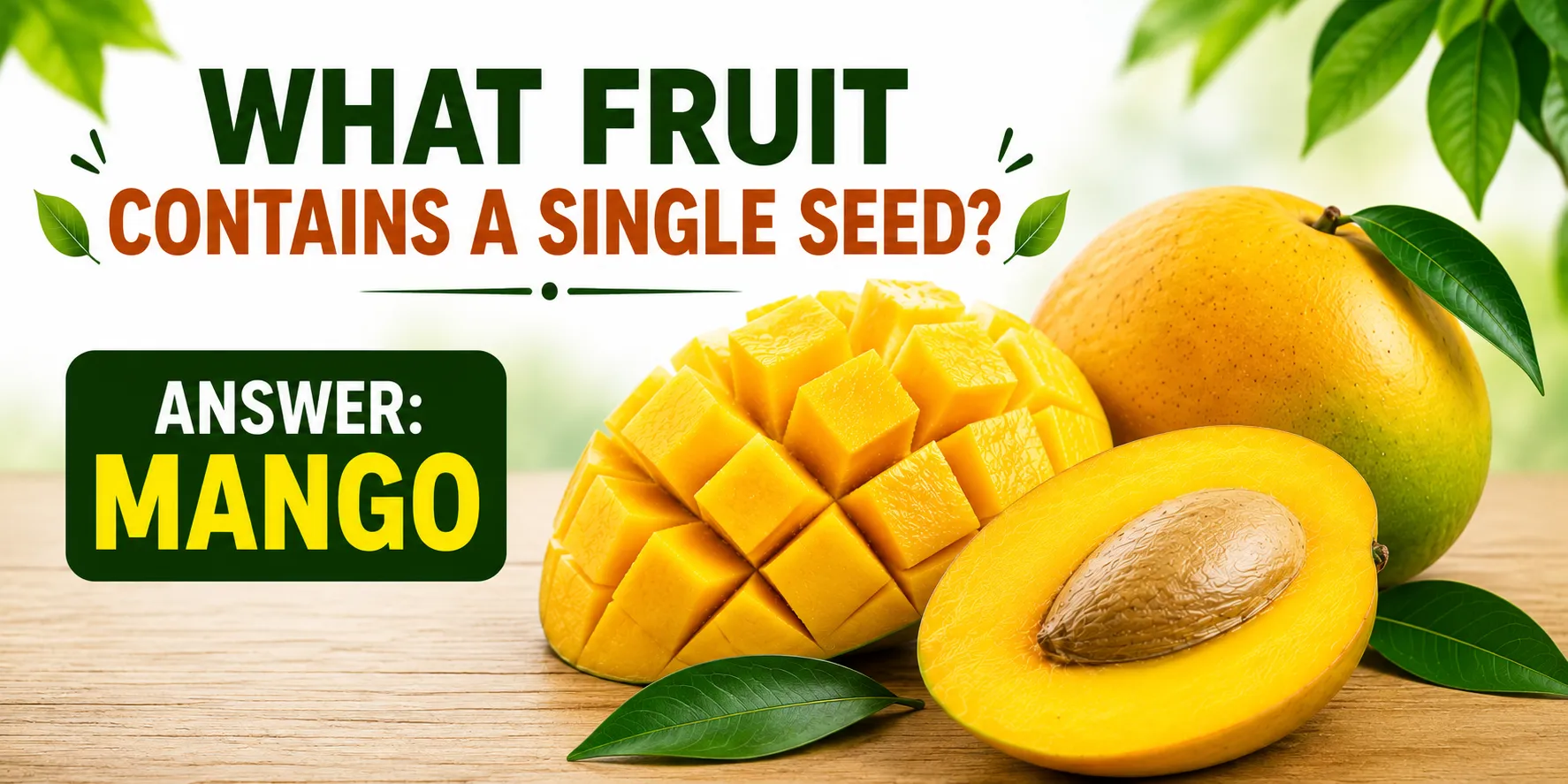
Mango is one of the best-known fruits that contains a single large seed. The seed is found at the center of the fruit and is surrounded by its juicy, fleshy pulp.
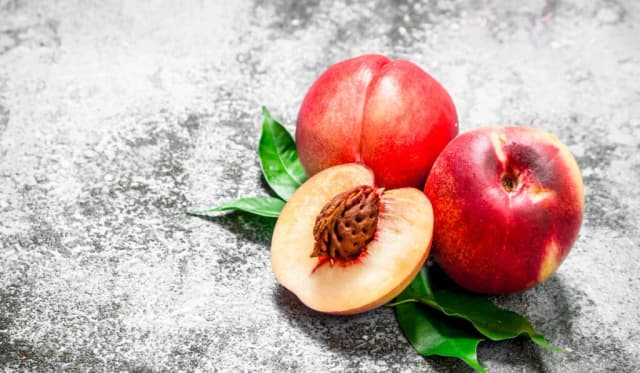
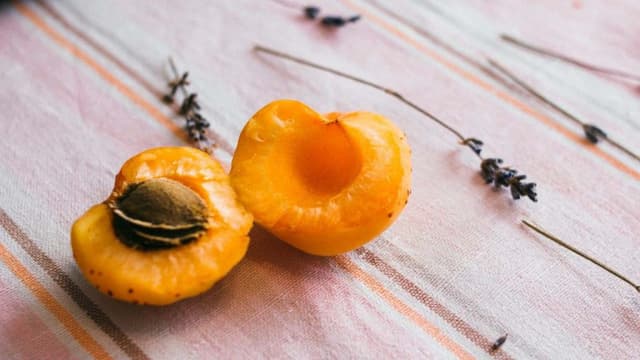
Other familiar fruits that typically contain a single seed include peach, plum, cherry, and olive. These fruits are generally classified as drupes, a type of fruit in which the inner layer, called the endocarp, becomes hardened around the seed.
What Fruit Contains a Single Seed?
The simplest answer is mango.
A mango typically develops around one large seed enclosed within a tough inner layer. The edible, fleshy part surrounds the seed, making its structure easy to recognize.
If this question appears in a school quiz, general-knowledge test, or simple science question, mango is a clear and commonly accepted answer.
Other fruits with a single seed include:
Mango – typically contains one large seed.
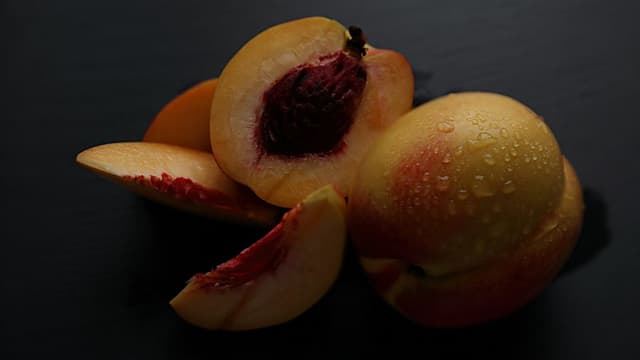
Peach – contains one seed enclosed by a hard endocarp, commonly called a stone.
Plum – typically contains one seed inside a hard stone.
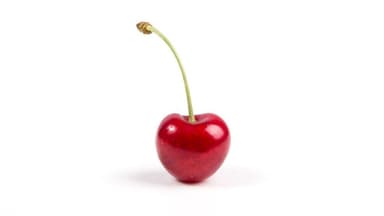
Cherry – usually contains one seed inside its hard pit.
Olive – typically contains one seed surrounded by a hardened endocarp.
What Is a Single-Seeded Fruit?
A single-seeded fruit is a fruit that typically develops with one seed rather than many separate seeds.
“Single-seeded fruit” is a descriptive term rather than a universal botanical category. Fruits are scientifically classified according to their structure and development.
For example, mango, peach, plum, cherry, and olive are generally classified as drupes because their fruit has a hardened inner layer called the endocarp that surrounds the seed.
Why Does a Mango Have One Large Seed?
A mango typically develops around one large seed. As the fruit develops, the fleshy portion grows around the seed, providing the familiar edible part of the mango.
This makes mango easy to distinguish from fruits such as watermelon and papaya, which generally contain numerous seeds.
The large central seed is also why mango is frequently used as a simple example when explaining fruits with a single seed.
Examples of Fruits That Typically Contain One Seed
Fruit | Typical seed structure | Common classification |
|---|---|---|
Mango | One large seed | Drupe |
Peach | One seed enclosed by a hard endocarp | Drupe |
Plum | One seed enclosed by a hard endocarp | Drupe |
Cherry | Usually one seed enclosed by a hard endocarp | Drupe |
Olive | One seed enclosed by a hardened endocarp | Drupe |
Although these fruits differ in appearance and taste, they share a similar basic structure: a single seed is protected by surrounding fruit tissue and, in drupes, a hardened endocarp.
Is Every Single-Seeded Fruit a Drupe?
No. Having one seed alone does not determine whether a fruit is a drupe.
Botanical classification also considers the structure of the fruit wall and how the fruit develops.
In a drupe, the inner portion of the fruit wall develops into a hard endocarp that surrounds and protects the seed. Mango, peach, plum, cherry, and olive are common examples of drupes.
Therefore, “single-seeded” describes the number of seeds, whereas “drupe” describes a particular type of fruit structure.
Frequently Asked Questions
Which fruit contains a single seed?
Mango is a common example of a fruit containing one large seed. Other examples include peach, plum, cherry, and olive.
Is mango a single-seeded fruit?
Yes. A mango typically contains one large seed surrounded by its fleshy edible portion.
What are some fruits with one seed?
Common examples include mango, peach, plum, cherry, and olive.
What is a fruit with one large seed called?
There is no single botanical name for every fruit simply because it contains one seed. Many familiar fruits with one seed, including mango, peach, plum, cherry, and olive, are classified as drupes based on their fruit structure.
What is the simplest answer to “What fruit contains a single seed?”
Mango is the simplest and most commonly recognized answer. Peach, plum, cherry, and olive are additional examples.
Conclusion
Mango is one of the best-known fruits that contains a single large seed. Peach, plum, cherry, and olive are other familiar examples. Many of these fruits are botanically classified as drupes because they develop a hardened inner layer called the endocarp around the seed.
Also Read: What fruit is most healthy?