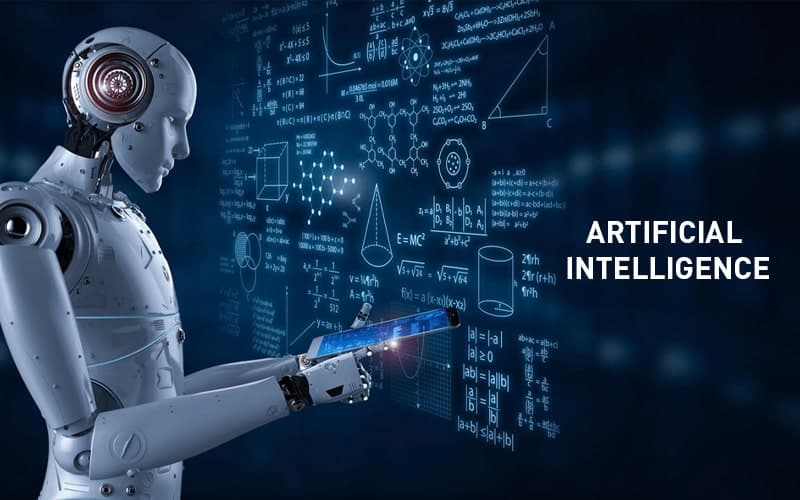
What is artificial intelligence?
A comprehensive area of computer science and engineering called artificial intelligence (AI) is devoted to developing gadgets and systems that are capable of carrying out operations that ordinarily call for a person's intelligence. Troubleshooting, reasoning, acquiring knowledge, awareness, language comprehension, and making decisions are some of these activities. Over the years, artificial intelligence has seen substantial development and is now a key engine for technological progress across many industries.

Artificial’s fundamental goal is to imitate human thinking skills through the use of algorithms and data. The fundamental elements of AI include:
- Machine Learning (ML): A branch of artificial intelligence that entails teaching algorithms to spot connections and make forecasts or judgments based on data. It makes it possible for systems to develop enhanced efficiency over time by experience, rather than through direct programming.
- Neural Networking: Based on the design and operation of the human brain, neural networking is a core AI idea. They are made up of networked neurons or terminals which process and transfer data. Neural networks in depth with numerous layers are used in Deep Learning, a type of Machine Learning, to handle challenging tasks like speech and picture recognition.
- Natural Language Processing (NLP): NLP is the area of artificial intelligence centered on giving robots the ability to comprehend, decipher, and produce human speech. It can be used for chatbots, translators, and other things.
- Computer Vision: Machines can receive and comprehend sensory information from external sources, such as photographs and movies, thanks to computer vision. Medical image analysis, driverless vehicles, and recognition of facial features all use AI-powered computer vision systems.
- Robotics: Robotics makes substantial use of artificial intelligence to build fully or partially self-sufficient machines that can carry out activities in a range of sectors, including production, medical care, and agriculture.
Many sectors now use AI, which has completely changed how we inhabit our lives and work. Here are a few illustrations:
- Healthcare: AI supports research on drugs, personalized methods of treatment, and medical evaluations. Medical image analysis and disease result prediction are both capabilities of machine learning.
- Finance: Artificial Intelligence is utilized in trading algorithms, risk evaluation, and identifying fraudulent activity. It supports financial organizations' data-driven decision-making and operational optimization.
- Customer support: NLP-powered chatbots and AI-powered virtual assistants offer immediate customer help and optimize interactions between users.
- Transportation: For efficient and secure transportation, autonomous automobiles and road control systems use AI.
- Entertainment: artificial intelligence is used in video game production, material suggestion systems on streaming services, and even Computer-generated art.
With its obvious advantages, AI also causes society and ethical issues. Security of data, the effect of automation on employment opportunities, and discrimination in AI algorithms are just a few of the issues that need to be carefully considered and regulated.
In summary, AI is a technological edge that has the power to revolutionize sectors and improve everyday activities. Utilizing all of its strengths while tackling its difficulties will depend heavily on its ongoing growth and ethical implementation.