Lake Victoria is the largest lake in Africa by surface area. It is located in East Africa and is shared by Tanzania, Uganda, and Kenya. Depending on the measurement and source, its surface area is reported at roughly 60,000–68,800 square kilometers (23,000–26,600 square miles).
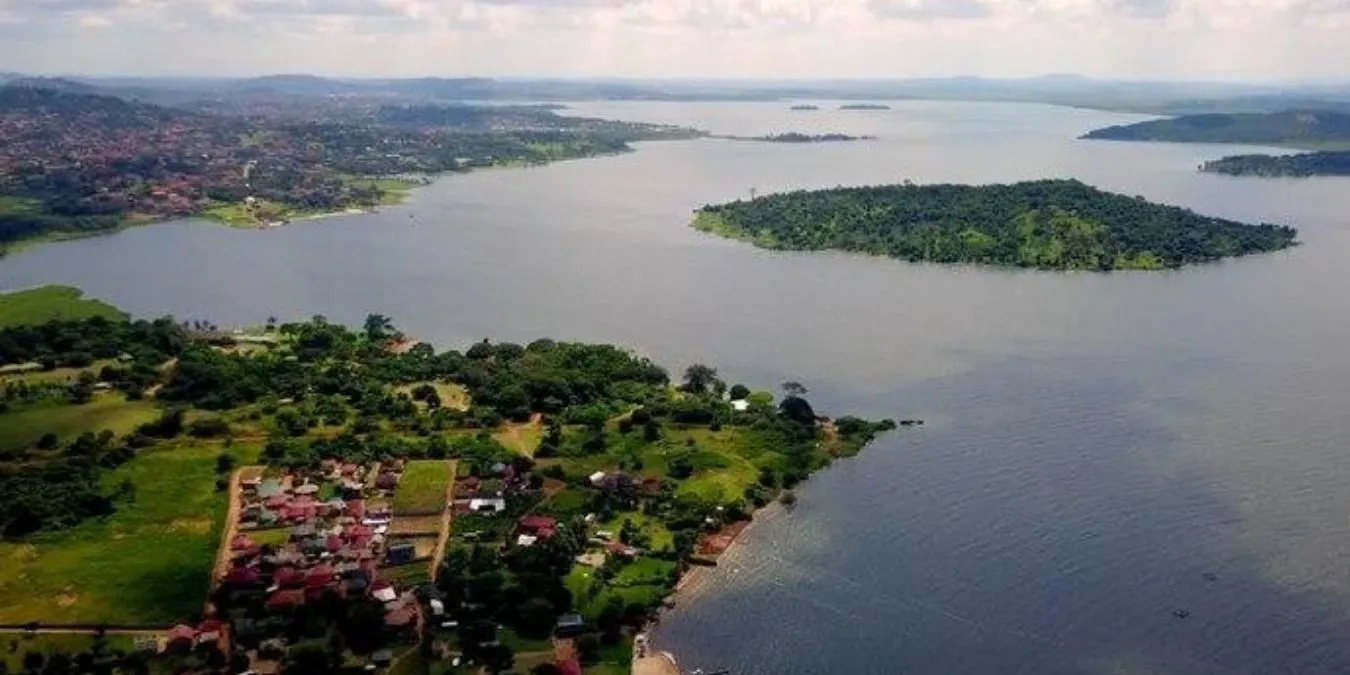
Lake Victoria is also one of the world's largest freshwater lakes by surface area and is an important geographical, environmental, and economic feature of East Africa.
Where Is Lake Victoria Located?
Lake Victoria lies in the Great Lakes region of East Africa, near the equator. Its shoreline is shared by Tanzania, Uganda, and Kenya, with Tanzania and Uganda accounting for most of the lake's surface area.
Major cities and communities around the lake include Mwanza and Musoma in Tanzania, Kisumu in Kenya, and Entebbe and Jinja in Uganda.
The lake supports large fishing communities and provides important resources for transportation, trade, tourism, and local livelihoods.
How Big Is Lake Victoria?
Lake Victoria has a surface area of approximately 60,000–68,800 square kilometers, depending on the source and measurement method. It is relatively shallow compared with some other major African lakes, with an average depth of about 40 meters and a maximum depth of roughly 84 meters according to the International Lake Environment Committee.
The lake is approximately 400 kilometers long and 240 kilometers wide according to FAO data. Its enormous surface area gives it the appearance of an inland sea in some locations.
Is Lake Victoria the Largest Lake in Africa?
Yes. Lake Victoria is the largest lake in Africa by surface area. It is important to specify “by surface area” because different measures can produce different rankings.
For example, Lake Tanganyika is much deeper and contains a greater volume of water, even though its surface area is considerably smaller than Lake Victoria's.
So, when someone asks “What is the largest lake in Africa?”, the standard answer is Lake Victoria.
Which Countries Share Lake Victoria?
Lake Victoria is shared by three countries:
Tanzania
Uganda
Kenya
The lake's wider drainage basin extends beyond these shoreline countries and includes parts of Rwanda and Burundi through the lake's river system.
Why Is Lake Victoria Important?
Lake Victoria is vital to millions of people and supports important economic and ecological activities across East Africa.
Fishing
Fishing is one of the lake's most important economic activities. The lake supports a major inland fishery and provides food and employment for communities around its shores. Uganda's National Agricultural Research Organisation describes Lake Victoria as supporting Africa's largest inland fishery.
Transportation and Trade
The lake has historically supported transportation between communities in Tanzania, Uganda, and Kenya. Ports and lakeside towns facilitate movement of people and goods across the region.
Freshwater and Ecosystems
Lake Victoria contains diverse aquatic ecosystems and provides freshwater resources for surrounding communities. At the same time, the lake faces environmental pressures, including pollution, invasive species, overfishing, and changes in land use.
Is Lake Victoria Connected to the Nile River?
Yes. Lake Victoria is part of the Nile River system. Its main surface outlet is the Victoria Nile, which leaves the lake near Jinja, Uganda. The river flows onward through Lake Kyoga and Lake Albert before becoming part of the White Nile system.
Because of this connection, Lake Victoria plays an important role in the broader Nile Basin.
Lake Victoria and Africa's Great Lakes
Lake Victoria is one of the African Great Lakes, a group of large lakes located mainly in and around the East African Rift region.
Other major lakes include:
Lake Tanganyika
Lake Malawi (Lake Nyasa)
Lake Turkana
Lake Albert
Lake Edward
These lakes differ significantly in size, depth, geological origin, and biodiversity.
Lake Tanganyika, for example, is far deeper than Lake Victoria, while Lake Victoria has the larger surface area.
What Is the Largest Lake in Africa by Volume?
The answer changes when the measurement is water volume rather than surface area.
Lake Tanganyika contains substantially more water than Lake Victoria because it is much deeper. Therefore:
Largest African lake by surface area: Lake Victoria
Largest African lake by water volume: Lake Tanganyika
This distinction is useful because the word “largest” can refer to different measurements.
Conclusion
Lake Victoria is the largest lake in Africa by surface area. Located in East Africa, it is shared by Tanzania, Uganda, and Kenya and is an important source of food, freshwater, transportation, employment, and economic activity for surrounding communities.
The lake is also closely connected to the Nile River system through the Victoria Nile. Although Lake Victoria has the largest surface area in Africa, Lake Tanganyika is much deeper and contains more water by volume.
Also Read: What is the need of GKknowledge?