Quick Answer
Determining the "tastiest fruit in the world" is highly subjective, but the Mango, Mangosteen, and Cherimoya consistently top global culinary lists. Among the hundreds of mango cultivars, the Alphonso is widely regarded by chefs, food writers, and consumers as one of the best-tasting varieties due to its sweetness, aroma, and smooth texture.
In this guide you will learn:
✓ Fruits frequently ranked as the world's best-tasting
✓ The science behind fruit sweetness and flavor profiles
✓ Nutritional comparisons (Vitamin C, Fiber, Calories)
✓ Tips for selecting and storing tropical fruits
✓ Answers to frequently asked questions
World's Tastiest Fruits At a Glance
| Fruit | Native Region | Flavor Profile | Common Nickname |
| Mango | South Asia | Sweet, peachy, tropical citrus | King of Fruits (South Asia) |
| Mangosteen | Southeast Asia | Strawberry, peach, vanilla | Queen of Fruits |
| Cherimoya | South America | Banana, pineapple, strawberry | The Ice Cream Fruit |
Introduction to the World's Best Flavors
Finding the absolute tastiest fruit in the world is an inherently subjective quest, as human palates react differently to balances of acidity, sweetness, and texture. However, culinary experts, botanists, and food historians generally agree on a select few top-tier fruits that consistently dominate global taste tests.
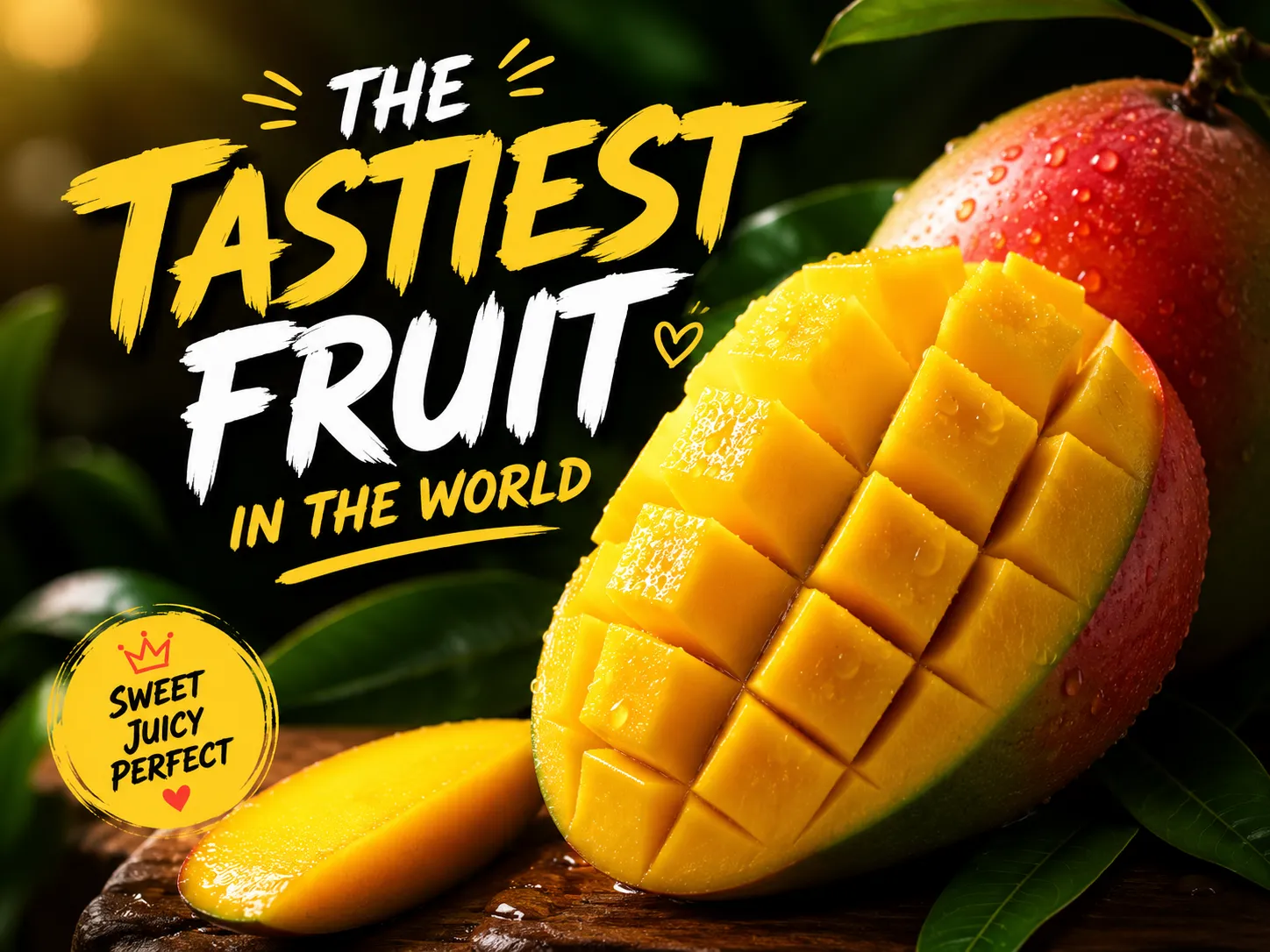
Unlike standard grocery store staples, the world's most highly regarded fruits are often tropical, highly seasonal, and famously complex in their chemical makeup.
How We Evaluated These Fruits
Because "taste" cannot be objectively measured, our overview considered several verifiable metrics:
-
Consumer popularity: Global demand and agricultural trade volume.
-
Culinary reviews: Consensus among chefs, food scientists, and gastronomy experts.
-
Flavor complexity: The balance of sugars (fructose/glucose) and natural fruit acids.
-
Aromatics: The presence of volatile aromatic compounds.
-
Texture: Mouthfeel, juiciness, and structural flesh consistency.
Fruits Most Frequently Considered Among the World's Best-Tasting
1. The Mango: The Global Favorite
The mango is one of the most widely recognized favorites worldwide and is commonly referred to in South Asia as the "King of Fruits" (a title held by the Durian in Southeast Asia). Among the hundreds of mango cultivars, the Alphonso is widely regarded by culinary professionals as one of the best-tasting varieties due to its vibrant, fiberless flesh and buttery texture.
The Science of the Flavor: Mangoes contain a balanced ratio of glucose, fructose, and sucrose along with hundreds of volatile aromatic compounds (such as terpenes and esters) that contribute to their rich tropical flavor. As they ripen, starch converts into sugar, exponentially increasing sweetness while reducing tart acidity.
Also Read: Benefits for Dried Mango
2. The Mangosteen: The Queen of Fruits
Native to the island nations of Southeast Asia, the mangosteen features a thick, dark purple rind hiding delicate, snow-white, juicy segments inside. Its taste is a highly complex blend of strawberry, peach, and vanilla notes.
A popular legend claims Queen Victoria offered a massive monetary reward for fresh mangosteens, although historians have found little evidence supporting the story. Nonetheless, the folklore helped cement its enduring global nickname as the "Queen of Fruits."
3. The Cherimoya: The Ice Cream Fruit
Native to the Andes mountains of South America, this green, scaly, heart-shaped fruit contains a soft, creamy white interior. During his travels, American author Mark Twain famously described the cherimoya as "the most delicious fruit known to men," helping popularize the fruit globally. Eating a perfectly chilled cherimoya is frequently compared to eating tropical sherbet, offering a flavor fusion of banana, pineapple, and strawberry.
Nutritional Comparison
Beyond flavor, these highly regarded fruits offer distinct nutritional benefits. Here is how they compare per 100-gram serving:
| Fruit (per 100g) | Calories | Vitamin C | Dietary Fiber | Primary Antioxidants |
| Mango | 60 kcal | 60% Daily Value | 1.6g | Mangiferin, Beta-carotene |
| Mangosteen | 73 kcal | 12% Daily Value | 1.8g | Xanthones |
| Cherimoya | 75 kcal | 21% Daily Value | 3.0g | Flavonoids, Vitamin C |
Tips for Experiencing Maximum Fruit Flavor
To experience these highly rated fruits at their absolute peak, proper selection and storage are critical:
-
Buy exclusively in season: Fruits imported entirely out of season are often picked prematurely, stunting natural sugar development and volatile compound generation.
-
Check the aroma first: A perfectly ripe mango, cherimoya, or lychee will emit a strong, sweet fragrance directly at the stem.
-
Store at room temperature initially: Never refrigerate tropical fruits before they ripen. Cold temperatures halt the enzymatic ripening process.
-
Feel the yield: A ripe fruit should give slightly to gentle pressure, indicating starches have fully converted into sweet sugars.
Conclusion
While the mango is frequently cited as a top contender for the world's tastiest fruit, exotic gems like the mangosteen and cherimoya offer incredibly complex flavor profiles that rival any manufactured dessert. Ultimately, the tastiest fruit in the world depends entirely on your personal preference for tartness, sweetness, and mouthfeel.
Frequently Asked Questions (FAQ)
1. Which fruit is known as the King of Fruits?
In South Asia and much of the Western world, the mango is frequently called the King of Fruits. However, in Southeast Asia, the pungent Durian holds the official title.
2. What is the sweetest fruit in the world?
The Carabao mango from the Philippines was previously recorded by the Guinness Book of World Records as the sweetest fruit in the world based on its exceptionally high fructose content.
3. What does a mangosteen taste like?
A mangosteen tastes like a creamy, juicy combination of lychee, peach, strawberry, and vanilla.
4. How do you eat a cherimoya?
Slice it in half, remove the large black seeds (which are toxic if crushed and consumed), and scoop out the creamy white flesh with a spoon.
5. Why are tropical fruits so sweet?
Tropical fruits receive consistent, year-round direct sunlight, allowing the plants to photosynthesize at maximum efficiency and produce high amounts of natural sugars.
6. What is the most expensive fruit in the world?
The Yubari King Melon from Japan is widely considered the most expensive fruit, frequently selling for thousands of dollars at luxury auctions due to its flawless aesthetic and carefully cultivated sweetness.
7. Are sweeter fruits less healthy?
No. While sweeter fruits contain higher natural fruit sugars (fructose), they pack high amounts of dietary fiber, vitamins, and antioxidants that help the body process those sugars efficiently.
 Answered by
.jpeg&w=1080&q=75)