Quick Answer
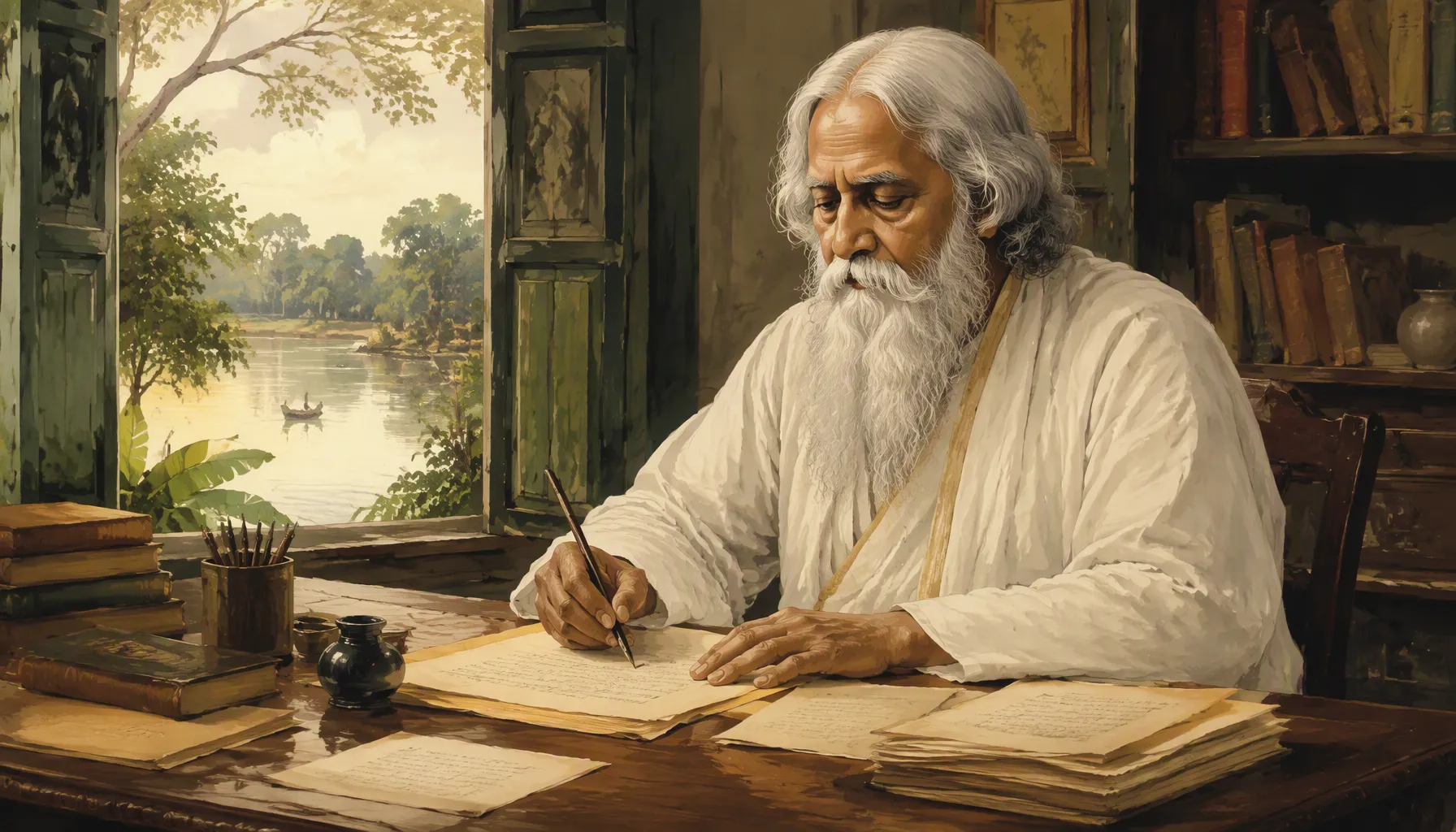
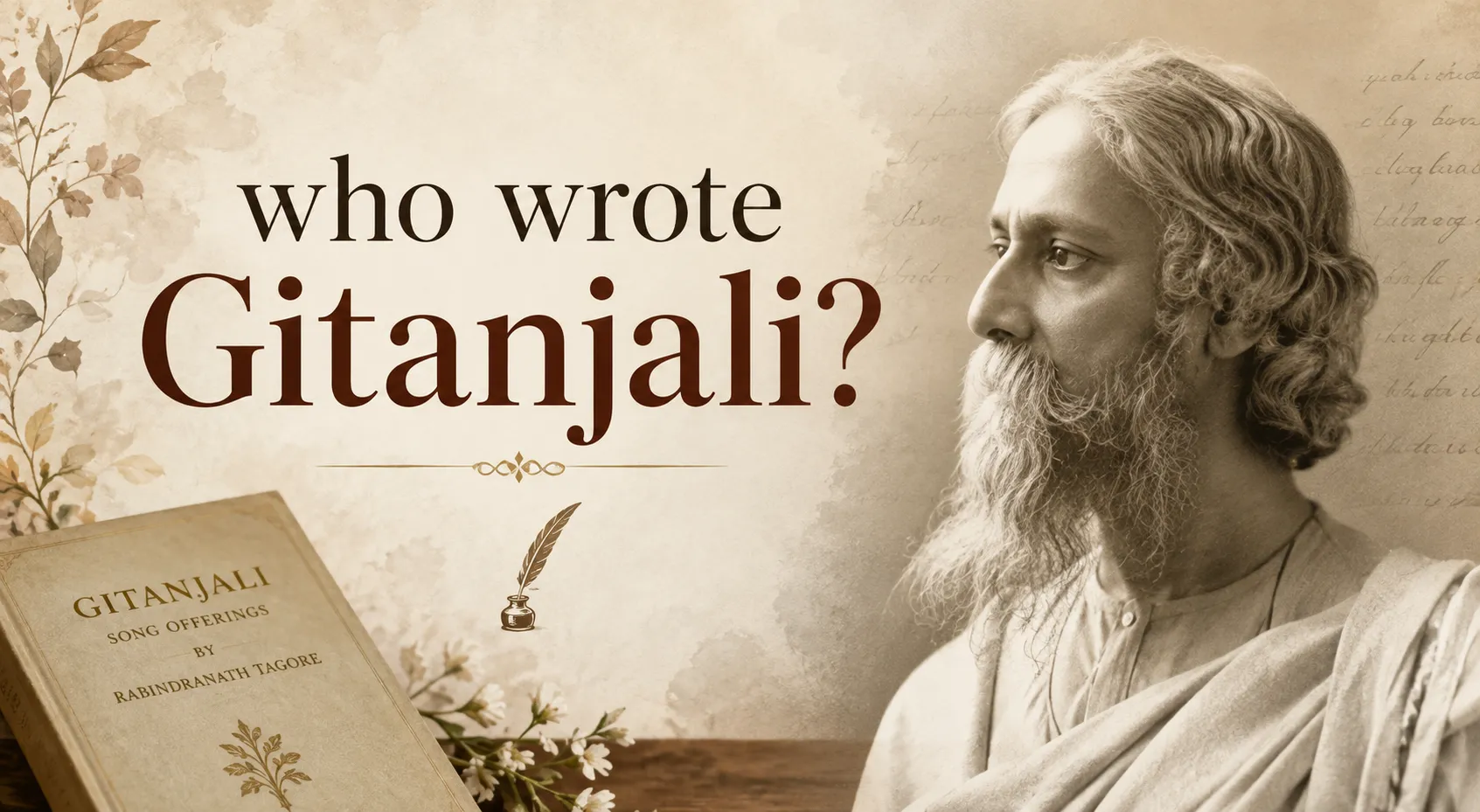
When exploring the greatest works of global literature, a common and essential question arises: who wrote Gitanjali? The answer is Rabindranath Tagore, a legendary Indian polymath, poet, musician, and philosopher. Originally published in Bengali in 1910, Tagore later translated a collection of these deeply spiritual poems into English in 1912 under the title Gitanjali: Song Offerings. This breathtaking collection of poetry captivated the Western literary world and ultimately earned Tagore the Nobel Prize in Literature in 1913, making him the very first non-European to ever receive this prestigious global honor.
The Mastermind Behind the Masterpiece
To truly appreciate the significance of this literary work, one must look at the man who created it. Rabindranath Tagore, often referred to as "Gurudev," was a literary giant hailing from Bengal, India. He was not just a poet; he was a novelist, playwright, painter, and composer who wrote the national anthems for both India and Bangladesh.
Tagore's writing was profoundly influenced by classical Indian philosophy, the Upanishads, and his deep reverence for the natural world. He sought to bridge the gap between traditional Indian spirituality and modern, progressive thought. When people ask who wrote Gitanjali?, they are asking about a visionary who fundamentally reshaped Bengali literature by breaking away from rigid, classical Sanskrit structures and introducing a more fluid, colloquial, and emotionally resonant style of writing.
Gitanjali at a Glance
To better understand the historical and literary context of this monumental book, here is a quick summary of its key facts:
Literary Fact | Detail |
|---|
Author | Rabindranath Tagore |
Original Publication | 1910 (in Bengali) |
English Publication | 1912 (Gitanjali: Song Offerings) |
Meaning of the Title | "Song Offerings" (Giti = song, Anjali = offering) |
Major Recognition | Nobel Prize in Literature (1913) |
Key Themes | Devotion, nature, love, and spiritual unity. |
The Journey to the Nobel Prize and Western Fame
The English version of Gitanjali was not a direct, one-to-one translation of the Bengali original. Instead, Tagore carefully selected 103 poems—some from the original Bengali Gitanjali and others from his various other collections—and translated them into free verse prose in English.
During a trip to London in 1912, Tagore shared these translated manuscripts with a close friend, who then showed them to the famous Irish poet W.B. Yeats. Yeats was absolutely mesmerized by the spiritual depth and lyrical beauty of the poems. He wrote a deeply moving introduction for the first English edition, helping the book create an absolute sensation in European literary circles. A year later, the Swedish Academy awarded Tagore the Nobel Prize, cementing his legacy on the world stage.
Why You Should Read Gitanjali Today
Even more than a century after its publication, Tagore's poetry remains incredibly relevant. Here are the top reasons and benefits of reading this timeless collection today:
Profound Spiritual Solace: The poems are framed as deeply personal conversations with the divine. They offer readers a sense of peace, mindfulness, and spiritual grounding in a chaotic modern world.
Accessible Philosophical Depth: Unlike dense religious texts, Tagore’s philosophy is woven through simple, beautiful imagery of rain, rivers, flowers, and the changing of seasons.
Literary Inspiration: For aspiring writers and poets, the English translation serves as a masterclass in free verse and rhythmic prose, demonstrating how to evoke intense emotion without relying on strict rhyming structures.
Cultural Connection: Reading it provides a beautiful window into early 20th-century Indian thought, highlighting a worldview that celebrates the interconnectedness of all living things.
Frequently Asked Questions (FAQs)
Did Rabindranath Tagore translate Gitanjali himself?
Yes. While staying in rural Bengal and later during a sea voyage to England, Tagore translated his own Bengali poems into English. Rather than translating them word-for-word, he rewrote them as prose poems, ensuring the emotional and spiritual essence was perfectly preserved for an English-speaking audience.
What does the word "Gitanjali" actually mean?
The title is a combination of two Bengali words: Geet (which means "song") and Anjali (which means "an offering" or "a tribute"). Therefore, the title translates directly to "Song Offerings."
Is Gitanjali a religious book?
While it is highly spiritual and frequently addresses "God," it is not tied to the strict dogma of any single religion. Tagore's vision of the divine was deeply personal and universal, often equating God with truth, nature, and the supreme soul. It can be appreciated by people of any faith or philosophical background.
Conclusion
The next time a friend or a fellow reader asks, "who wrote Gitanjali?", you can share the fascinating story of Rabindranath Tagore. This collection of poetry is far more than just a book; it is a cultural bridge that connected the East and the West during a time of immense global change. Through his profound "song offerings," Tagore gave the world a timeless masterpiece that continues to inspire love, devotion, and a deep appreciation for the quiet beauty of the natural world. If you have not yet experienced its lyrical brilliance, there is no better time to pick up a copy and discover why it captured the heart of the Nobel committee over a century ago.
Sources & References: The Nobel Prize Organization
Also Read: Who wrote Ramayan?