Tagline: Uncover the adorable, instinctual reasons behind why your feline friend loves to "make biscuits."
Quick Answer
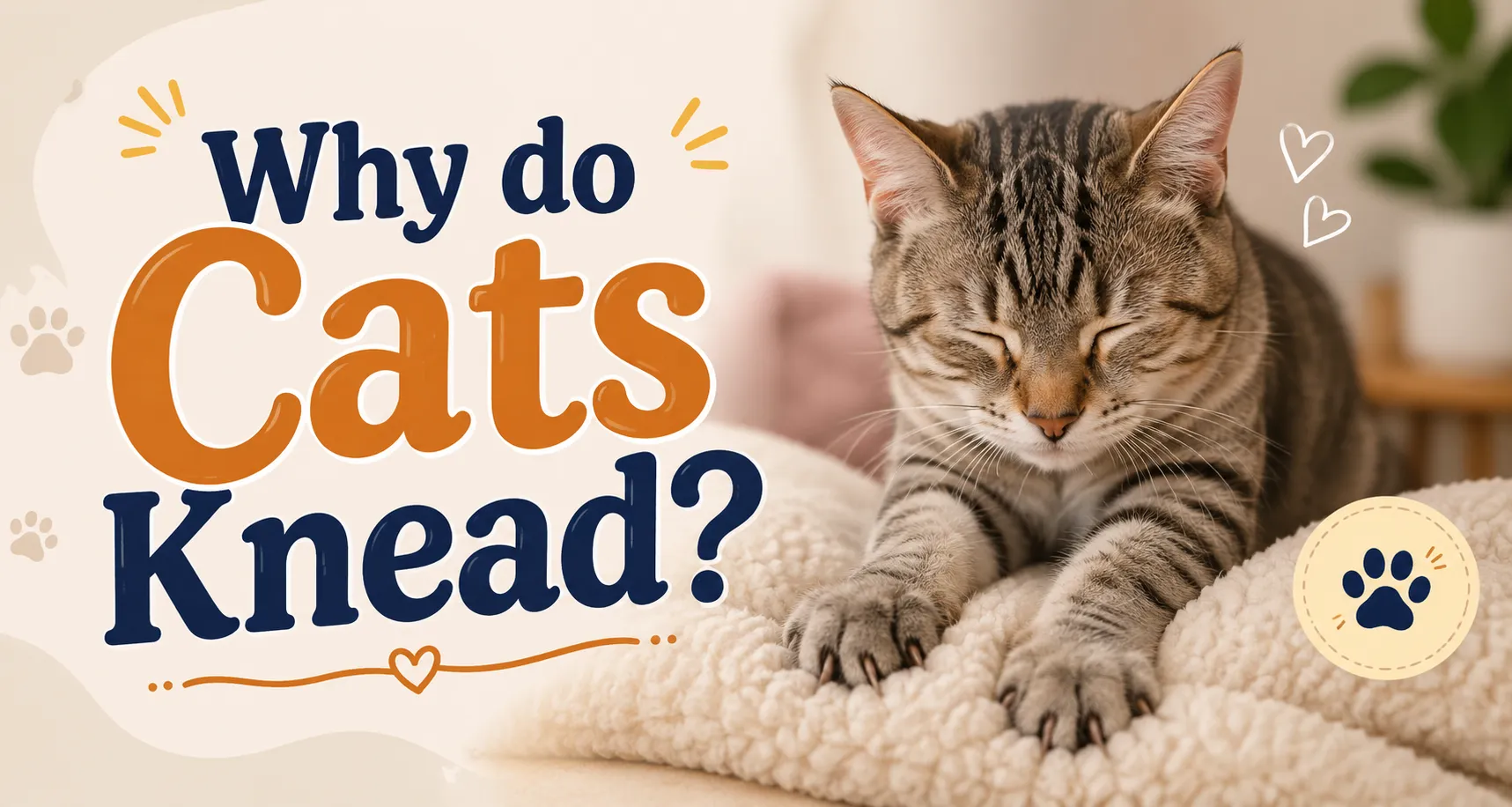
If you own a feline companion, you have almost certainly witnessed them rhythmically pushing their front paws in and out against a soft blanket, a pillow, or even your stomach. This endearing behavior is commonly known as "making biscuits." But Why do Cats Knead? The primary reason stems directly from kittenhood. Nursing kittens knead their mother's belly to stimulate the flow of milk. Because this action is deeply associated with the warmth, safety, and comfort of their mother, adult cats continue the behavior throughout their lives to self-soothe, show affection, and mark their territory using scent glands hidden in their paws.
The Origins: From Kittens to Wild Ancestors
To truly understand this quirky behavior, we have to look at both a cat's early life and its evolutionary history. As mentioned, the physical motion begins immediately after birth. When a kitten is nursing, the rhythmic pushing of its paws triggers the release of oxytocin in the mother, facilitating milk letdown. When an adult cat kneads a soft surface (like a plush blanket or your lap), they are essentially regressing to that safe, happy state of mind. It is the ultimate sign of feline comfort and contentment.
However, the roots of kneading go back even further to their wild ancestors. Long before cats were domesticated and sleeping on memory-foam beds, wild felines lived and hunted in tall grass. Before lying down to sleep or give birth, wild cats would rhythmically pat down tall grass, leaves, and foliage to create a soft, flat, and secure nest. When your indoor cat kneads a pillow before settling down for a nap, they are acting on an ancient instinct to prepare a safe resting place.
Understanding the Reasons Behind the Rhythm
Because cats cannot speak to us, we have to decode their body language. While comfort is the primary driver, they actually knead for several distinct reasons. Here is a quick breakdown of what your cat might be trying to accomplish:
Reason for Kneading | Behavioral Meaning | How the Cat Benefits |
|---|---|---|
Comfort & Self-Soothing | Mimicking the nursing phase of kittenhood. | Reduces stress and induces a state of deep relaxation. |
Territorial Marking | Depositing scent from glands located in their paw pads. | Claims an object (or a person) as their exclusive property. |
Nesting Instincts | Patting down a surface before resting. | Creates a physically comfortable and secure place to sleep. |
Stretching Muscles | Gripping a surface and pulling backward. | Keeps their shoulder muscles limber and maintains claw health. |
Top Tips for Managing Claws During Kneading
While the behavior itself is incredibly sweet, it can occasionally be painful if your cat extends their claws into your legs while sitting on your lap. If your feline friend's affectionate kneading is becoming uncomfortable, follow these gentle steps to protect yourself without punishing them:
Keep Claws Trimmed: Make it a habit to regularly trim the very tips of your cat's claws every few weeks to take the sharp edge off.
Use a Barrier: Keep a thick, dedicated "kneading blanket" near the couch. When your cat climbs onto your lap, place the blanket between their paws and your skin.
Redirect, Don't Punish: If the kneading hurts, never yell or push the cat away aggressively. Gently lift them off your lap or place them on a soft cat bed nearby.
Pet Them to Sleep: Often, if you stroke a kneading cat, they will become so relaxed that they stop moving their paws and simply fall asleep.
Frequently Asked Questions (FAQs)
Is it normal if my cat bites the blanket while kneading?
Yes, this is very common! Many cats will bite or suckle on the fabric while they knead. This is just an extra layer of regression to their nursing days, where they would knead and suckle simultaneously. It is entirely harmless and simply means they feel incredibly safe.
Why do some cats never knead?
Just like humans, every cat has a unique personality. While it is a common instinct, some cats simply outgrow the behavior entirely, or they may express their contentment in other ways, such as aggressive purring or head-bunting.
Does kneading mean a female cat is going into heat?
It can be a sign. While male and female cats both knead for comfort, an unspayed female cat may suddenly increase her kneading behavior, stretch her hindquarters into the air, and become overly affectionate right before going into heat.
Conclusion
Whenever you find yourself watching your pet and asking, "Why do Cats Knead?", remember that you are witnessing a beautiful blend of biology and affection. Whether they are preparing a wild nest for a nap, marking you as their favorite human, or simply remembering the warm safety of their mother, "making biscuits" is one of the highest compliments a cat can pay you. By keeping their claws trimmed and offering them a soft blanket, you can safely enjoy this heartwarming display of feline love for years to come.
Sources & References: American Animal Hospital Association (AAHA)
Also Read: Why do cats eat grass?