Answered on08/11/26
Jaipur is called the Pink City because its buildings were painted pink in 1877 to welcome the Prince of Wales. The color became a lasting symbol of Jaipur’s architectural identity and hospitality.

0

Join this conversation
Jaipur is called the Pink City because its buildings were painted pink in 1877 to welcome the Prince of Wales. The color became a lasting symbol of Jaipur’s architectural identity and hospitality.
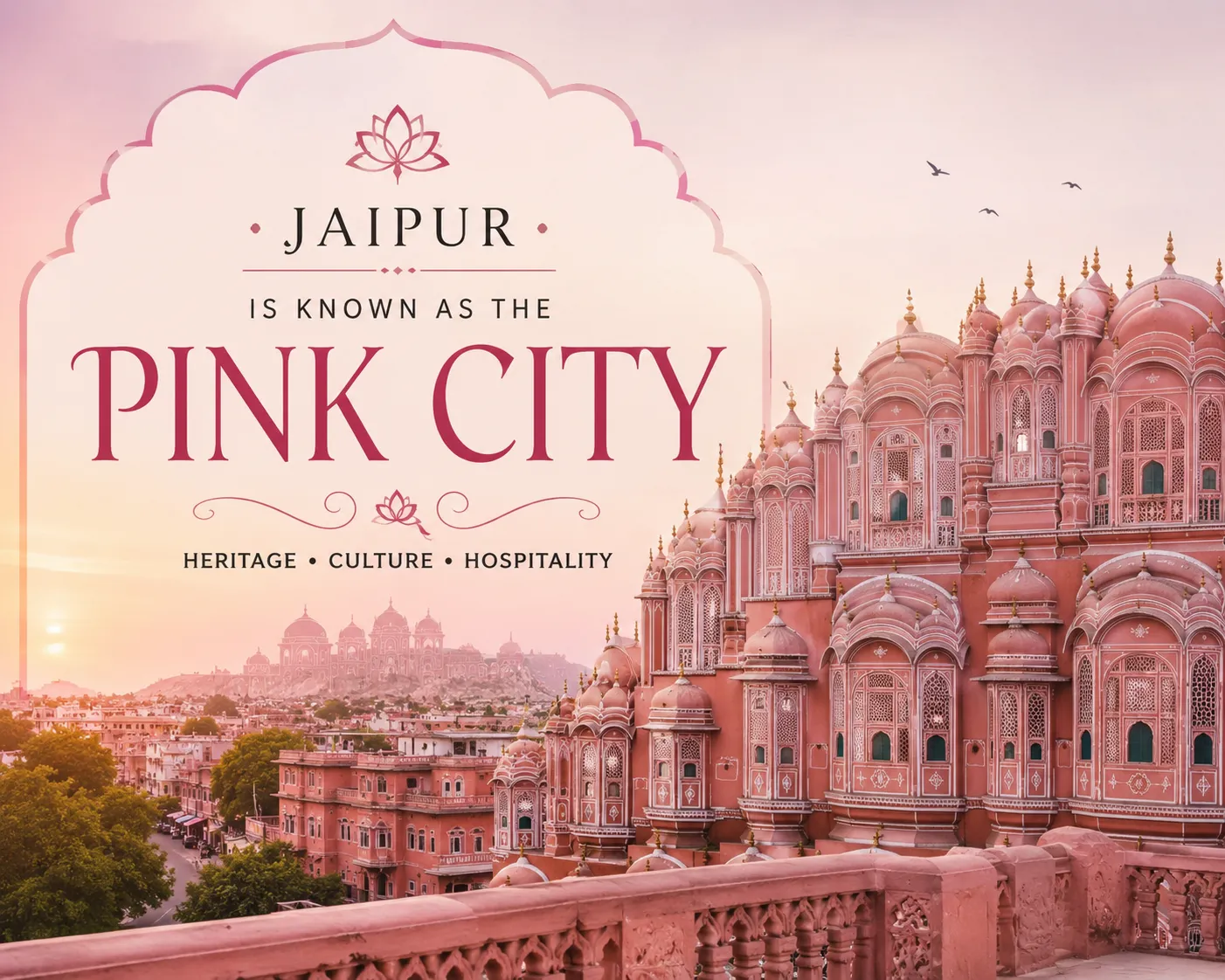
Jaipur is known as the Pink City due to the fact that many buildings in its historic old city have a recognizable pink or terracotta color. This tradition started in 1877, when Maharaja Sawai Ram Singh II instructed the city to be painted pink to welcome the Prince of Wales, Albert Edward.
Representation of hospitality: Pink was considered a welcoming color.
Royal visit: The city was painted to give warm hospitality to the visiting prince.
Tradition continued: After the visit, the pink color remained part of Jaipur's identity.
Many buildings in the historic walled city continue to follow the traditional pink color. This gives the old city a unique and recognizable appearance.
Hawa Mahal: Known for its pink exterior and small windows.
City Palace: A famous royal complex with pink-toned architecture.
Jantar Mantar: A historic astronomical observatory.
Old City markets: Many streets and buildings have the traditional pink appearance.
No. The Pink City name mainly refers to Jaipur's historic walled city. Modern regions of Jaipur have buildings in many different colors and styles.
The pink architecture has become an important part of Jaipur's history, culture, and tourism. The historic walled city was also recognised as a UNESCO World Heritage Site in 2019.
In simple words: Jaipur became known as the Pink City because its old buildings were painted pink to welcome a royal guest, and the color later became a lasting symbol of the city.
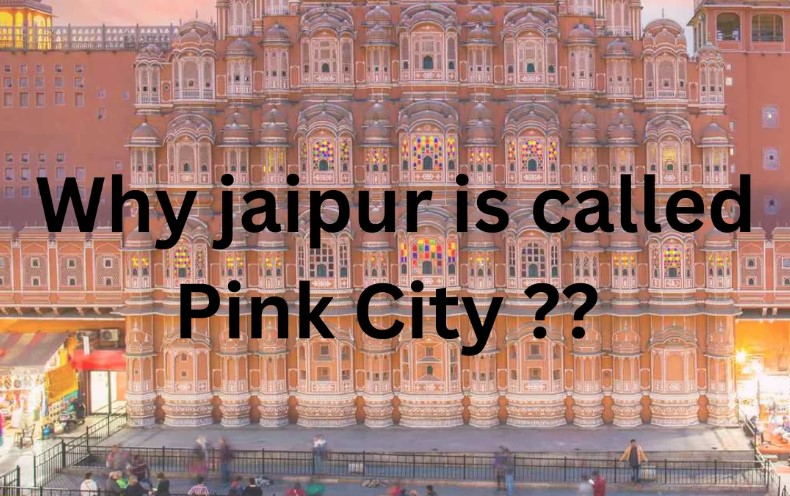
If you are planning a trip to India's royal state of Rajasthan, you have likely asked yourself, "Why Jaipur is called Pink City?" The answer dates back to 1876 during the era of British rule. When Prince Albert and Queen Victoria were scheduled to visit India, Maharaja Sawai Ram Singh II wanted to impress the royal guests and show his deepest hospitality. Because pink is the traditional Indian color of hospitality, the Maharaja ordered the entire city to be painted a vibrant terracotta pink. The gesture was a massive success, and the color became so iconic that laws were later passed to ensure the historic center of Jaipur remained pink forever.
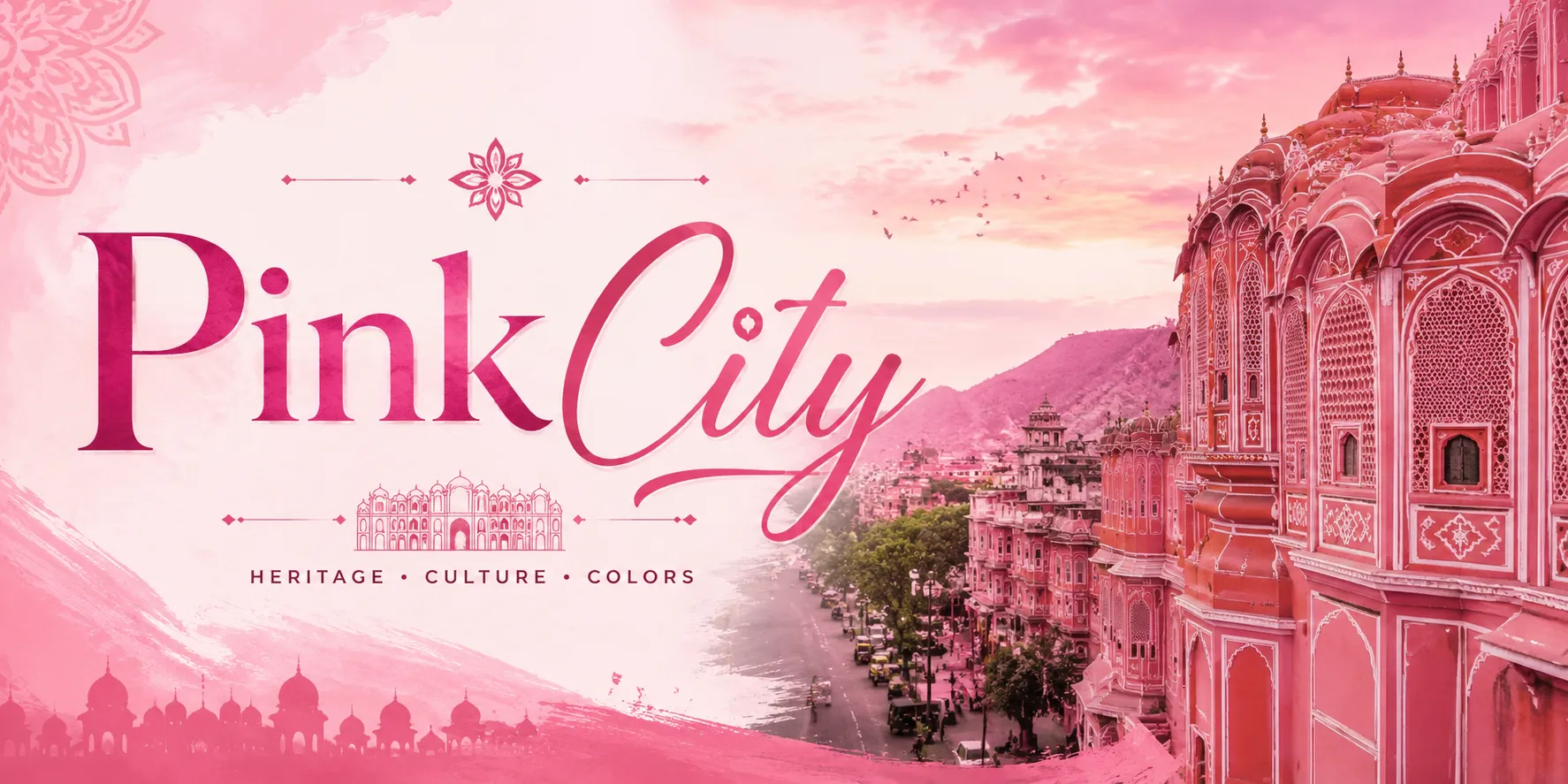
To truly appreciate the beauty of this city, we have to look back at the historical context of the late 19th century. Jaipur was already renowned as one of the first planned cities in modern India, designed with precision by Maharaja Sawai Jai Singh II in 1727. It featured wide streets, a grid system, and magnificent architecture.
However, it was not originally pink. The city was originally built using a mix of white and pale yellow stucco. It was only when the Prince of Wales (Albert Edward) embarked on a 17-week tour of the Indian subcontinent in 1876 that the city underwent its famous transformation. Maharaja Sawai Ram Singh II, known for his progressive vision and strong ties with the British, wanted to ensure the Prince's visit was unforgettable.
In Rajput culture, the color pink—specifically a deep, dusty terracotta shade known as "gerua"—represents a warm welcome and profound hospitality. By painting the sprawling facades, bazaars, and palaces this uniform color, the Maharaja created a breathtaking visual spectacle that deeply impressed the Prince, who allegedly dubbed it the "Pink City."
You might wonder how the city managed to retain this specific aesthetic for over a century. The commitment to the color went far beyond a one-time royal visit.
The Maharaja's wife supposedly loved the new look of the city so much that she convinced her husband to make it permanent. In 1877, a historic law was passed prohibiting buildings in the old city from being painted any color other than the signature pink. Remarkably, this law remains in effect today. The local government and the citizens of Jaipur take immense pride in their heritage, ensuring that the walls of the old walled city are regularly maintained and repainted in the exact same terracotta shade.
To summarize the fascinating history of this architectural marvel, here is a quick breakdown of the most important details:
Feature | Details |
|---|---|
Year of Transformation | 1876 |
Ruling Monarch | Maharaja Sawai Ram Singh II |
Royal Visitor | Prince Albert (Prince of Wales) |
Symbolic Meaning | Pink is the traditional color of hospitality and welcome |
Legal Status | An 1877 law mandates the old city buildings remain pink |
Most Famous Monument | Hawa Mahal (The Palace of Winds) |
If you are planning to witness this beautiful destination firsthand, simply walking around is not enough. To get the most out of your visit, keep these practical tips in mind:
Visit the Hawa Mahal at Sunrise: The Palace of Winds is made of red and pink sandstone. Visiting at sunrise allows you to see the sunlight reflecting off the pink walls, creating a glowing, magical effect.
Explore the Old City on Foot: The true charm of the Pink City lies in its bustling bazaars (like Johari Bazaar and Bapu Bazaar). Walking through these markets allows you to appreciate the uniform pink storefronts up close.
Take a Guided Heritage Walk: Hiring a local guide will help you understand the architectural nuances and the hidden history behind the ancient pink walls that you might otherwise miss.
Capture the Golden Hour: For photography enthusiasts, the terracotta pink color looks most vibrant during the late afternoon (golden hour) when the harsh midday sun softens.
Is the entire city of Jaipur pink today?
No, the entire modern city is not pink. The mandatory pink color code applies strictly to the "Old City" or the "Walled City" of Jaipur. Modern neighborhoods outside the ancient gates feature contemporary architecture in various colors.
What material gives the buildings their pink color?
Originally, the buildings were painted with a specific calcium oxide compound (slaked lime) mixed with natural terracotta pigments to achieve the dusty pink shade. Many iconic monuments, like the Hawa Mahal, are also constructed directly from naturally pink and red sandstone.
Why is Jaipur recognized by UNESCO?
In 2019, the Walled City of Jaipur was officially declared a UNESCO World Heritage site. It was recognized not just for its iconic pink aesthetic, but for its exceptional urban planning, grid-like streets, and stunning blend of Rajput, Mughal, and Western architectural styles.
When people ask, "Why Jaipur is called Pink City?", they are uncovering a story that beautifully blends historical diplomacy, royal grandeur, and deeply rooted cultural hospitality. What started as a grand gesture to welcome a British Prince in 1876 has transformed into an eternal symbol of Indian heritage. Today, Jaipur stands as a globally recognized destination, preserving its unique terracotta glow and continuing to welcome millions of travelers with the exact same warmth and hospitality that inspired its famous color over a century ago.
Also Read:

Pink City, as you might have guessed from the name of this city. This city is famous for its scintillating pinkish atmosphere. The capital and wealthiest city of Rajasthan is Jaipur. Some of the amazing historical places, temples, malls, etcetera are famous in this city, Jaipur. Mouthwatering street foods and a royal Rajasthani scrumptious diet are quite famous in the city. The city also has various royal restaurants with luxurious and traditional ambiance like Suvarna Mahal, 1135 AD, The Royal Route, etc. Jaipur has been a center of attraction for travel lovers since time immemorial, which is why lakhs of people come here every year to enjoy their holidays and spend quality time.
