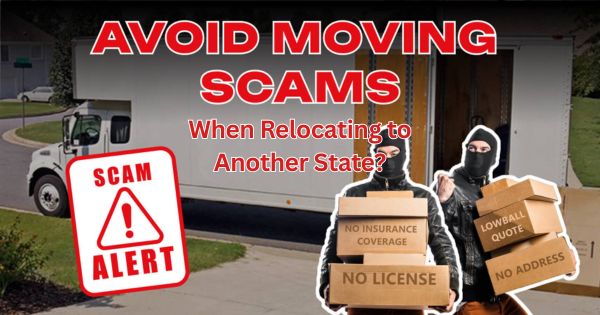
Relocating to a new state is a major life change—especially if you are leaving a big city such as someone moving away from LA—filled with excitement and anticipation—but it also comes with a fair share of stress. Between organizing logistics, updating documents, and adjusting to a new environment, the last thing you need is to fall victim to a moving scam. Unfortunately, shady operators and fraudulent companies target people during this busy time, often taking advantage of rushed decisions and unfamiliarity with the process. But with the right precautions, you can protect yourself and your belongings. Here’s how to spot red flags and avoid moving scams when planning an out-of-state move.
Start With Research—Lots of It
One of the best defenses against moving scams is doing your homework. Reputable moving companies typically have a well-established online presence. Look for companies that are licensed with the U.S. Department of Transportation (USDOT) and have positive reviews across multiple platforms—not just their own website. The Federal Motor Carrier Safety Administration (FMCSA) offers a free search tool where you can verify whether a mover is registered and insured for interstate moves. Take the time to cross-check information and don’t be afraid to dig deep. A legitimate company won’t hide its credentials.
Watch for Vague Estimates or Unusually Low Quotes
A common tactic among scam movers is baiting customers with an extremely low quote—only to increase the price dramatically once they have your items in their truck. Be wary of companies that provide vague or too-good-to-be-true estimates, especially if they refuse to conduct an in-home or virtual walkthrough before quoting. A reliable mover will ask for details about the size of your home, the number of rooms, and any specialty items. Insist on a binding or written estimate that clearly outlines services and fees. If a company demands a large deposit upfront or only accepts cash, take it as a red flag.
Check for a Physical Address and Real Contact Info
Legitimate moving companies have more than just a website and a phone number. They should have a physical office you can visit or at least verify through a quick online search. Try calling their customer service line outside of regular business hours to see if someone answers—or if the line seems suspiciously generic. Email responses that are overly vague, unprofessional, or riddled with grammatical errors can also signal a lack of credibility. Trust your gut; if something feels off, it probably is.
Read the Fine Print in Contracts
Before signing anything, read through the moving contract carefully. Some dishonest companies slip hidden fees or vague clauses into the paperwork, leaving you vulnerable to extra charges or unexpected delays. Make sure the contract includes pickup and delivery dates, total cost, and a full inventory list. Be cautious of any document that seems overly complex or doesn’t specify liability coverage or dispute resolution policies. When in doubt, have someone else read over the document—or consider consulting with a consumer protection agency.
Avoid Movers Who Use High-Pressure Tactics
You should never feel rushed into making a decision when choosing a moving company. If a representative is aggressively pushing you to book on the spot, offering a “limited-time deal,” or saying they’re your only option due to last-minute availability, take a step back. High-pressure tactics are often used by scammers trying to force a quick commitment before you’ve had time to verify their legitimacy. A professional mover will give you the time and space to make an informed decision.
Ask the Right Questions
Before you commit, ask detailed questions. What happens if your items are delayed? Are there any weight limits or hidden surcharges? What kind of insurance do they offer? Can they provide references? The more specific your questions, the harder it is for scammers to give generic or misleading answers. A trustworthy company will be transparent, patient, and informative when addressing your concerns. If they dodge your questions or change the subject, that’s a sign to move on.
Trust Reputable Referral Sources
Word of mouth is still one of the most reliable ways to find a good mover. Ask friends, coworkers, or real estate professionals for recommendations. You can also check with state moving associations or national organizations like the American Trucking Associations’ Moving & Storage Conference. Avoid using third-party broker sites that promise to “match you with the best mover.” These platforms often have little oversight and may pass your information along to companies with questionable practices.
Take Your Time and Stay Vigilant
Avoiding moving scams isn’t about being paranoid—it’s about staying informed and cautious. With so many details to manage during an interstate move, it’s easy to overlook warning signs or rush into a decision. But by taking the time to research companies thoroughly, reviewing contracts closely, and trusting your instincts, you can dodge scams and ensure a smoother, safer move. When you protect your belongings, you're also protecting your peace of mind—and that’s worth every bit of effort.