Quick Answer
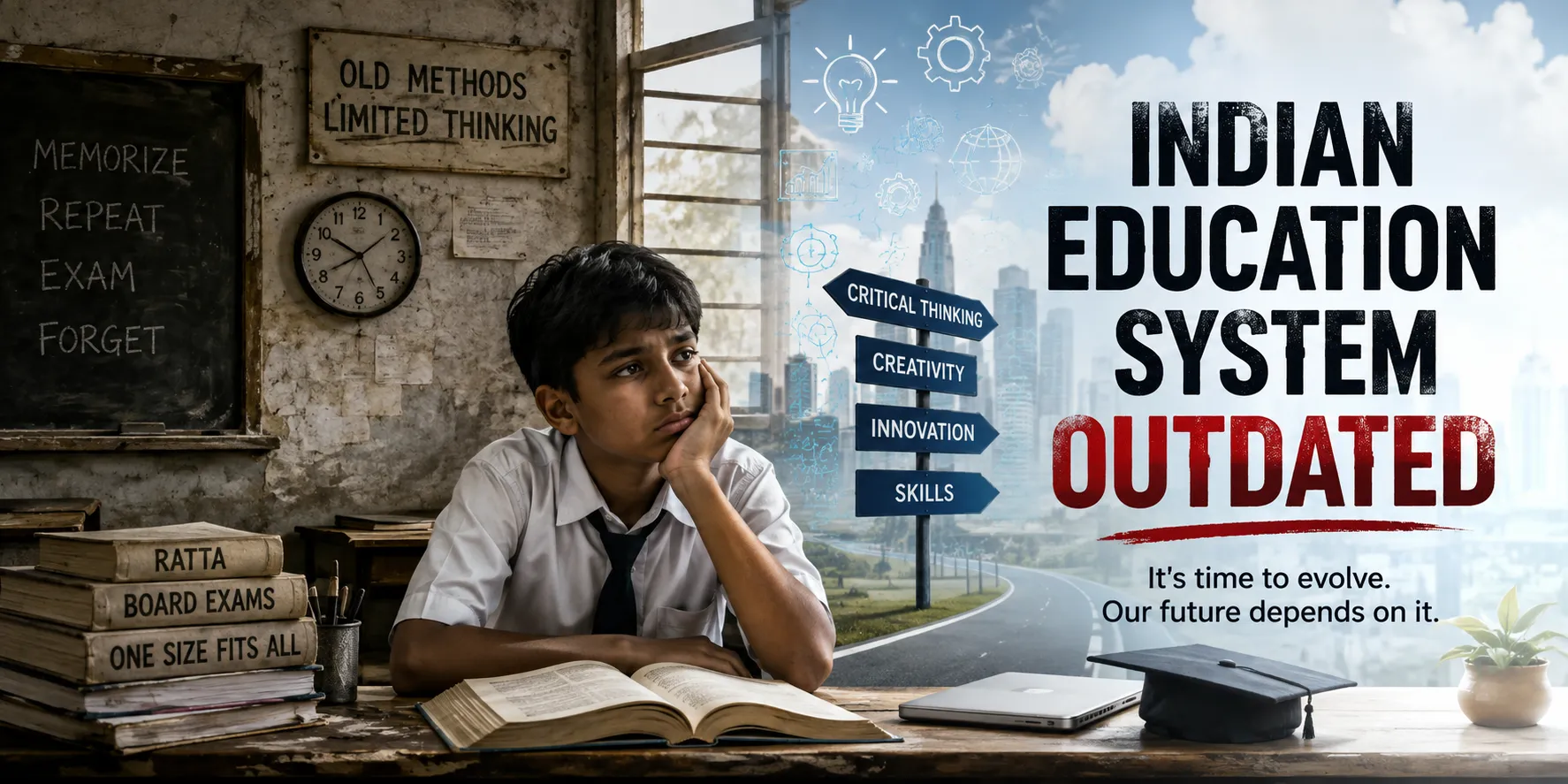
When parents, students, and educators ask, "Why Is the Indian Education System Called Outdated Today?", the answer points to its heavy reliance on rote memorization, a rigid curriculum, and an extreme focus on exam scores over practical skills. Designed largely during the colonial era to produce obedient clerical workers, the traditional framework has struggled to adapt to the fast-paced, innovation-driven modern world. Because it prioritizes textbook theory over critical thinking and creativity, many global industry leaders and academics consider the indian eduaction system outdated and ill-equipped to prepare students for the careers of tomorrow.
The Historical Roots of the Problem
To understand the current state of the indian education system, we must look back at its origins. The modern schooling structure in India was heavily influenced by British colonial policies in the 19th century. The goal at the time was not to create innovators, entrepreneurs, or critical thinkers; it was to create a massive workforce of clerks and administrators who could follow orders and perform repetitive tasks.
While India has made tremendous strides in literacy and access to education since independence, the core methodology has remained surprisingly stagnant. The system is still largely built around a "one-size-fits-all" approach. Millions of students are expected to learn the exact same syllabus, at the exact same pace, and are evaluated through standardized written exams that test memory rather than true comprehension.
Traditional Education vs. Modern Needs at a Glance
To truly understand the gap between what schools teach and what the modern world requires, here is a quick breakdown of the systemic disconnect:
Feature | The Traditional Indian Education System | The Modern Global Requirement |
|---|---|---|
Learning Style | Rote memorization (learning by heart) | Critical thinking and problem-solving |
Evaluation Method | High-stakes, high-pressure annual exams | Continuous, practical, and project-based assessment |
Curriculum Flexibility | Highly rigid (strict division of Science/Commerce/Arts) | Interdisciplinary and flexible subject choices |
Primary Goal | Scoring high marks to secure college admission | Developing real-world skills and employability |
The Obsession with Marks Over Skills
One of the most significant reasons the indian education system faces criticism is its unhealthy obsession with exam marks. From a very young age, students are pressured by schools and society to score above 90% in their board exams. This creates a hyper-competitive environment that severely impacts student mental health.
More importantly, scoring high marks does not equate to high employability. According to numerous industry reports, a large percentage of Indian engineering and management graduates are considered "unemployable" by modern tech and corporate sectors because they lack communication skills, digital literacy, and the ability to apply theoretical concepts to real-world problems.
Steps to Bridge the Educational Gap
While the government is attempting to modernize the framework through initiatives like the National Education Policy (NEP) 2020, systemic change takes time. Until the system fully transforms, students and parents can take actionable steps to bridge this gap:
Focus on Skill-Based Learning: Do not rely solely on school textbooks. Encourage learning coding, digital marketing, graphic design, or financial literacy through online platforms.
Encourage Questioning: Break the habit of rote learning by asking "why" and "how" instead of just memorizing the "what."
Participate in Extracurriculars: Join debate clubs, sports teams, or drama societies. These build essential soft skills like teamwork, leadership, and public speaking, which are rarely taught in standard classrooms.
Pursue Internships Early: High school and college students should seek out internships or volunteer opportunities to gain practical, hands-on experience before entering the job market.
Frequently Asked Questions (FAQs)
Is the Indian education system changing?
Yes. The introduction of the National Education Policy (NEP) 2020 aims to overhaul the system. It proposes a shift away from rote learning, introduces coding and vocational skills early on, and breaks down the rigid walls between arts, commerce, and science streams.
Why is rote learning still so common in India?
Rote learning remains common because the ultimate goal for most students is to crack highly competitive entrance exams (like JEE or NEET) or score high in board exams. Because these exams historically rewarded fact-retention over critical analysis, the teaching methods naturally adapted to help students memorize vast amounts of information.
How does the outdated system affect student mental health?
The intense pressure to perform in standardized exams leads to severe stress, anxiety, and burnout among students. Tying a student's entire self-worth and future career prospects to a single exam score creates an incredibly toxic and high-pressure learning environment.
Conclusion
When we ask, "Why Is the Indian Education System Called Outdated Today?", we are highlighting a system that has outlived its original purpose. While it has successfully produced millions of graduates, the modern world no longer needs human calculators or memory banks; it needs innovators, empathetic leaders, and critical thinkers. Recognizing that the indian eduaction system outdated model needs replacing is the first step. Through bold policy changes like the NEP 2020 and a cultural shift toward skill-based learning, India has the potential to transform its massive youth population into a dynamic, future-ready workforce.
Sources & References
Also Read