Knowing what causes acne and following a treatment plan is the way to get rid of acne. Mild acne is often treated by dermatologists with gentle skincare and evidence-based active ingredients like benzoyl peroxide or adapalene. If your acne is moderate to severe, you may need prescription therapy from a dermatologist.
One key thing to understand is that acne won’t go away overnight. It can take many weeks to see results from most successful treatments.
I think it's MUCH more important to be consistent rather than keep jumping to the next "miracle" product.
What causes acne?
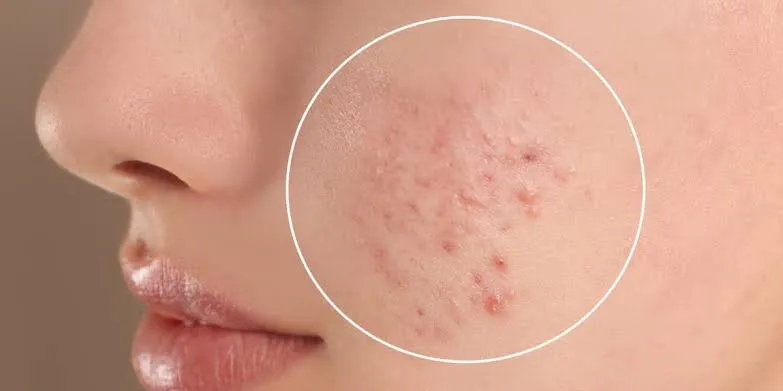
Acne occurs when hair follicles are blocked with oil and dead skin cells. Pimples can become worse from inflammation and the bacteria Cutibacterium acnes. Hormonal changes, genetics, and some skincare products may also be to blame.
Typical triggers include the following:
• Overproduction of oil
• Hormone shifts/changes
• Family history.
• Some medicines
• cosmetics that block pores
• Friction from helmet, mask, or tight clothes
Treatment Step by Step
For minor acne, a basic program will usually suffice:
• Cleanse your face twice a day with a light cleanser.
• Use an over-the-counter product with benzoyl peroxide or adapalene.
• If your skin is getting dry, use a non-comedogenic moisturizer.
• Apply a broad-spectrum sunscreen daily.
• Continue the therapy for at least 6 to 8 weeks before assessing the results.
The American Academy of Dermatology also strongly advises topical benzoyl peroxide and topical retinoids such as adapalene as effective acne treatments.
One practical tip I always give is to only introduce one new active at a time. If irritation develops, it is much less difficult to identify the cause.
Support for Living
“Lifestyle alone does not cure acne, but a healthy lifestyle can support treatment.
Useful habits are:
• Do not squeeze or pick pimples.
• Remove makeup before going to bed.
• Choose non-comedogenic skin care and cosmetics.
• Change pillowcases often.
• Avoid stress as much as possible.
• Follow a healthy diet.
Instead of buying several expensive things, I would work on developing a simple routine that you can do every day.
Common Mistakes
Avoid these typical errors:
• Hard rubbing of the skin
• Washing your face too often
• Squeezing pimples
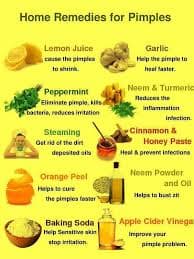
• With toothpaste or other home remedies
• Changing items every few days
• Not to use sunscreen when using acne treatments
The AAD expressly warns against using toothpaste to treat acne since it can irritate the skin.
When to See a Dermatologist
See a dermatologist if:
• Acne is cystic or painful.
• You see scars.
• You have been using over-the-counter medicines for several weeks with no relief.
• Your confidence or mental health is suffering because of acne.
Treatment options may include stronger topical medications, oral antibiotics, hormone therapy for some women, or isotretinoin for severe acne.
Frequently Asked Questions (FAQs)
1. Is there a cure for acne?
Acne may reappear, especially when hormone levels fluctuate, but with the correct treatment, many people can control it for the long term.
2. Should I pop pimples?
No. Picking or popping pimples can cause more inflammation, infection, and permanent scarring.
Must Read: 3 homemade face masks that will help you treat acne scars