Real estate investment trusts (REITs) offer a unique opportunity to follow a career in property investment and management, combining finance, real estate, and business operations into an attractive career choice. However, whether the career choice is for you depends on your interests, skills, and career objectives. In this section, we will outline the nature of REITs, present the career opportunities they offer, analyze their strengths and weaknesses, and list the qualities necessary to excel.
What Are REITs?
Real Estate Investment Trusts (REITs) are corporations that own, manage, or finance income-generating real estate, including apartment complexes, shopping malls, office complexes, and warehouses. They collect investor funds to buy these properties and pay out the majority of their earnings—usually 90% or higher—as dividends to stockholders. This setup makes REITs a popular investment option; nevertheless, it also gives rise to a dynamic business with a variety of job titles. Unlike other real estate professions that can concentrate on purchasing and selling single-family residences, REITs are handling massive-scale assets and sophisticated financial transactions.
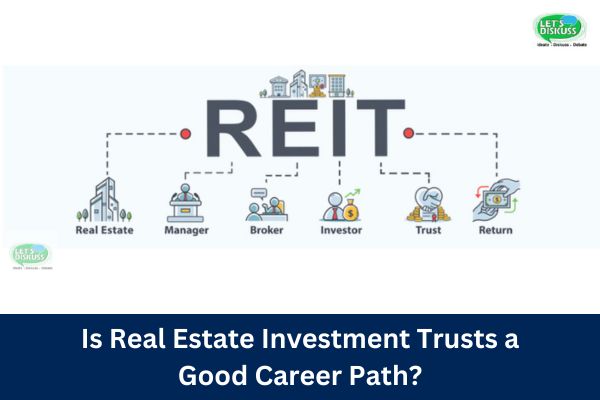
Career Opportunities in REITs
A career in REITs can be formed in countless different ways, depending on what you're good at. Property management careers entail day-to-day operation of buildings, from maintenance to tenant management. Analysts analyze market trends, determining which buildings are worthwhile to buy. Finance experts manage budgeting, investor relations, and dividend payments. Marketing and leasing experts try to get buildings filled up with tenants, and executives chart the company's growth. You might work for a publicly traded REIT, a private firm, or even a specialist in sectors such as healthcare or industrial space. The variety means there are opportunities for various skills—whether you're analytical or people-focused.
Why REITs Can Be a Great Career Choice
1. Steady Demand and Growth
Real estate is a core part of the economy, and Real Estate Investment Trusts (REITs) capitalize on that stability. With growing populations and expanding businesses, commercial and residential space is in constant demand. REITs often specialize in high-demand businesses—like data centers for tech or logistics centers for e-commerce—thereby offering opportunities for career longevity. The U.S. REIT market alone manages assets of over $3 trillion, which presents enormous opportunities for investment.
2. Financial Rewards
Compensation in REITs is enticing. Starting positions such as property coordinators may begin at $40,000-$60,000 per annum, and analysts or managers may draw $80,000-$120,000. Senior positions, such as REIT portfolio managers or CFOs, may draw six-figure salaries and performance-based bonuses. The dividend-based system in REITs also encourages a results-oriented culture that can be transferred to promotion based on merit.
3. Exposure to Multiple Disciplines
REITs integrate finance, real estate, and strategy, and you are exposed to a broad skill set. One day you are learning how to appraise property, and the next, pitching to investors. This diversity in your resume means that doors can open to banking, consulting, or general real estate outside of REITs.
Challenges to Consider
1. Market Sensitivity
REITs are not exempt from economic trends. Rising interest rates can drive up cost of borrowing, reducing margins, and recessions may dampen tenant demand. Employment may be solid in strong markets but tenuous in weak ones, especially in smaller firms.
2. High Responsibility
The stakes are big—managing multimillion-dollar assets or investor expectations isn’t light work. Mistakes, like misjudging a property’s value, can ripple widely. This pressure suits some but stresses others.
3. Long Hours and Competition
As with most careers in finance, REIT careers tend to include late nights, particularly acquisition or earnings season. And, of course, top jobs are subject to stiff competition from people with MBAs or great industry contacts.
Skills and Education Needed
A degree in finance, business, real estate, or economics is standard fare. An undergraduate or graduate degree in property law, accounting, or market analysis is a bonus. Obtaining the CFA (Chartered Financial Analyst) designation or a real estate license adds a layer of benefit. And after the textbooks, analytical thinking is crucial—juggling figures to identify a decent deal or predict trends. Effective communication is needed, negotiating leases or calming nervous investors. Flexibility is the key, as REITs adapt with markets and technologies like green building mandates.
Who Thrives in REIT Careers?
REITs are for puzzle lovers—those who grasp the interplay of buildings, capital, and people. If you are detail oriented, enjoy collaboration, and are okay with a hectic pace, it's a good match. Introverts will like analysis jobs, while extroverts will excel in leasing or investor relations. Real estate enthusiasm is not required but is helpful; knowledge of why a strip mall is successful or unsuccessful can propel your success.
The Bottom Line
So, is an REIT career a good one? Yes—if you're drawn to a career with solid earning power, intellectual variety, and a ringside seat in real estate's big leagues. It's no overnight-knockup operation or stress-free existence, but for those who will learn and toil, REITs offer a rich combination of security and potential. Weigh your risk tolerance and work load against the potential to build skylines and portfolios. If that's a thrill, it's a career to pursue.