V
Vicky Vignesh· 7 years ago
Covering important news, trending stories, and global events with balanced insights and reliable information.

what are the different types of window blinds?

0
1.2K

Join this conversation

Sort By
Replying to the question above
Answered on06/23/26

Choosing the right window blinds isn't just about covering your windows. The right blinds can completely change how a room looks, improve privacy, control sunlight, and even make your home more energy efficient.

I never realized there were so many different types of window blinds until I started looking for them. I used to think every blind was basically the same, but each type is actually designed for a different purpose.

1. Roller Blinds

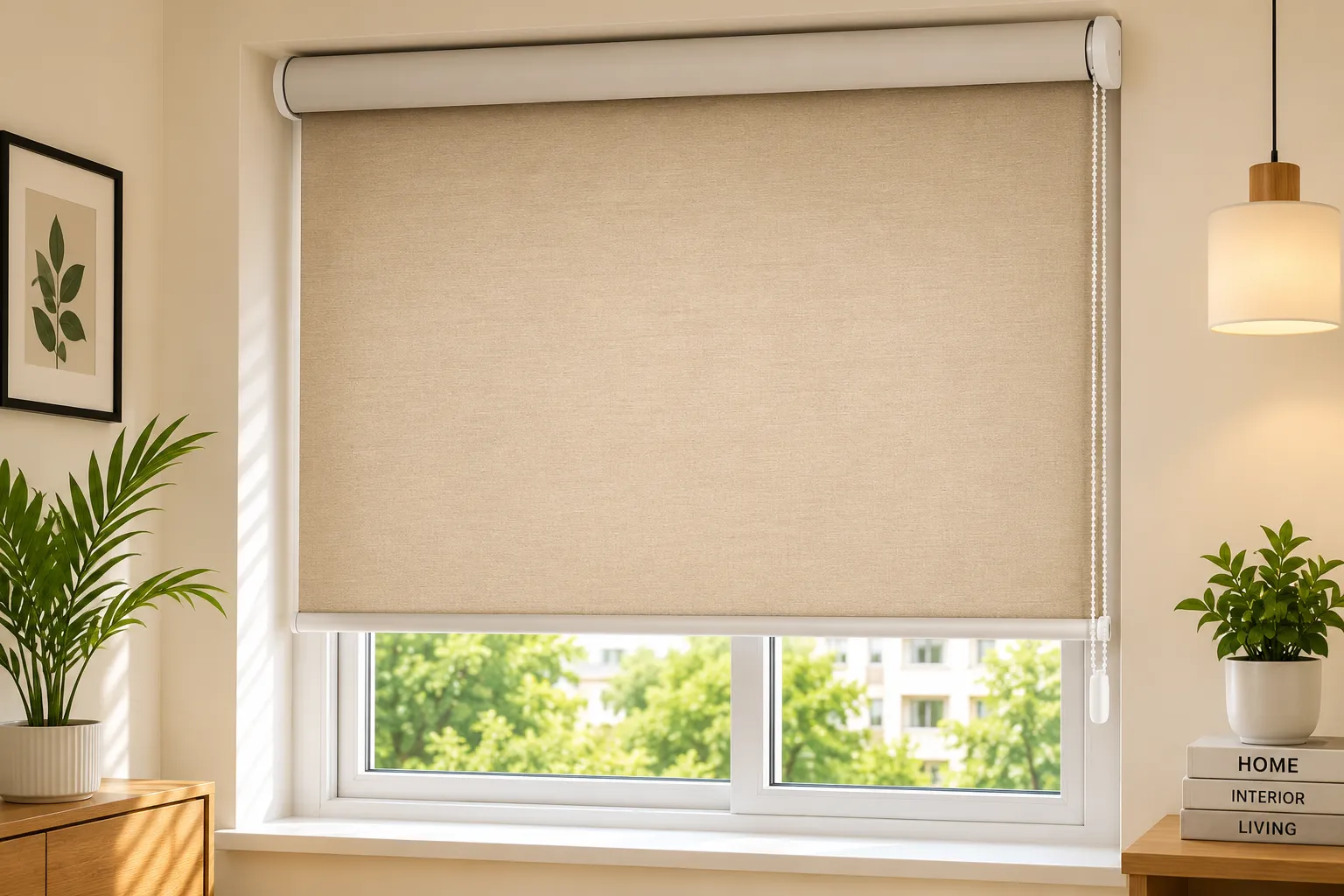
Roller blinds are one of the most popular choices for modern homes.

They consist of a single piece of fabric that rolls up and down using a chain or spring mechanism.

Best for:

  • Bedrooms

  • Living rooms

  • Offices

Why people like them:

  • Minimalist design.

  • Easy to operate.

  • Available in blackout and light-filtering fabrics.

2. Venetian Blinds

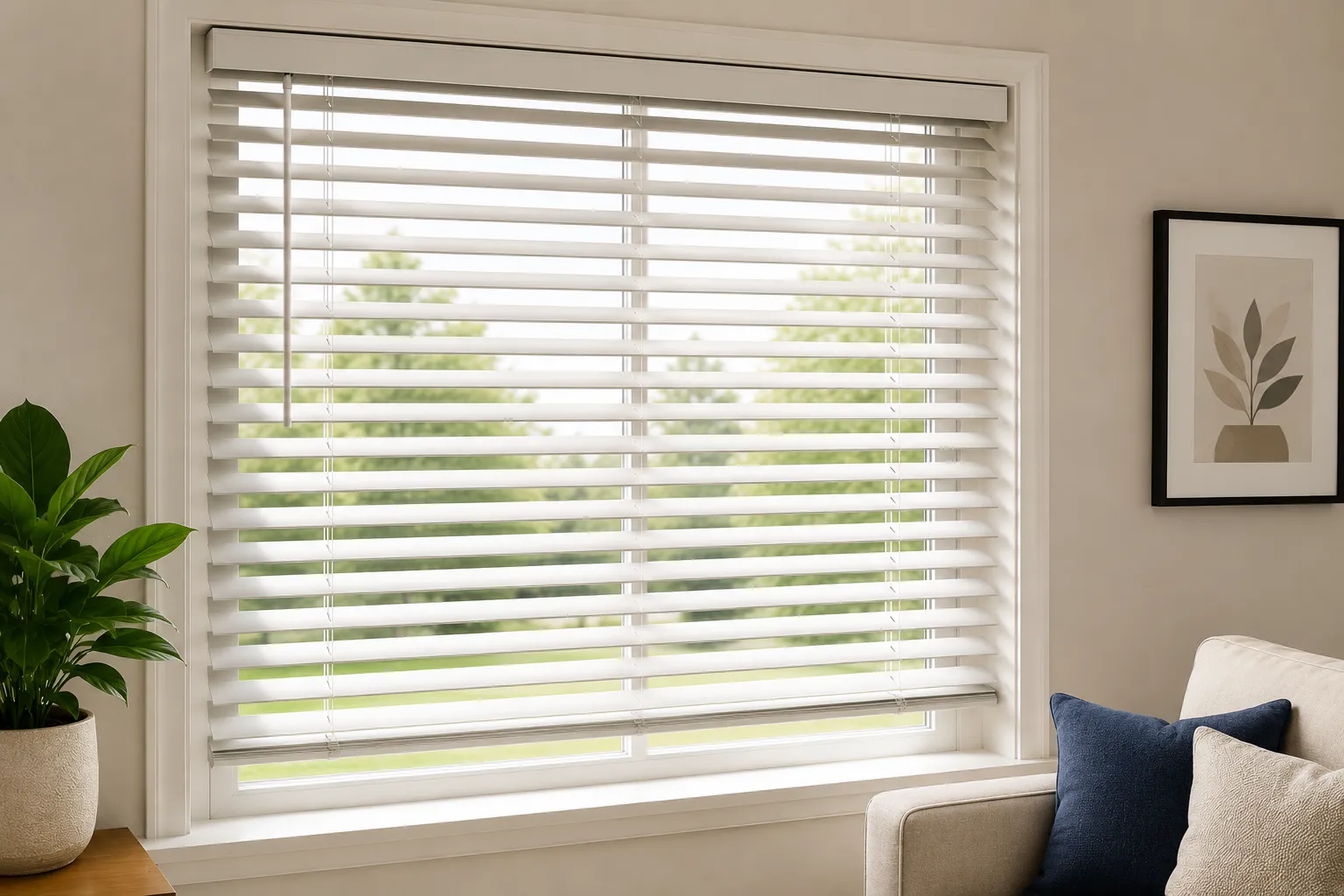
Venetian blinds feature horizontal slats made from aluminum, wood, or PVC.

You can tilt the slats to control both sunlight and privacy.

Best for:

  • Offices

  • Kitchens

  • Study rooms

3. Vertical Blinds

Instead of horizontal slats, these blinds have long vertical panels.

They're especially useful for large windows and sliding glass doors.

Best for:

  • Balconies.

  • Patio doors.

  • Large windows.

4. Roman Blinds

Roman blinds fold neatly into elegant fabric pleats when raised.

They're often chosen because they look more decorative than traditional blinds.

Best for:

  • Bedrooms.

  • Dining rooms.

  • Luxury interiors.

5. Zebra (Day and Night) Blinds

These blinds alternate between sheer and opaque fabric stripes.

By adjusting the layers, you can easily control the amount of light entering the room.

Best for:

  • Modern apartments.

  • Living rooms.

  • Home offices.

6. Wooden Blinds

Made from real wood or faux wood, these blinds add warmth and elegance to any space.

They're a popular choice for traditional and premium interiors.

Best for:

  • Living rooms.

  • Home libraries.

  • Executive offices.

7. Cellular (Honeycomb) Blinds

These blinds contain small honeycomb-shaped air pockets that improve insulation.

They help keep rooms cooler in summer and warmer in winter.

Best for:

  • Energy-efficient homes.

  • Bedrooms.

  • Areas with extreme temperatures.

8. Panel Blinds

Panel blinds use wide fabric panels that slide smoothly across a track.

They're commonly installed on large windows and glass doors.

Best for:

  • Contemporary homes.

  • Sliding doors.

  • Conference rooms.

Which Blind Should You Choose?

It really depends on your needs.

  • Want maximum privacy? Choose Roller or Roman Blinds. These were the best for me.

  • Need better light control? Go with Venetian or Zebra Blinds.

  • Have large windows? Vertical or Panel Blinds work best.

  • Looking for luxury? Wooden or Roman Blinds are excellent choices.

  • Want to save energy? Cellular Blinds are among the best options.

Window Blinds at a Glance

Blind TypeBest For
RollerEveryday use and modern homes
VenetianLight control and offices
VerticalLarge windows and sliding doors
RomanElegant interiors
ZebraFlexible light control
WoodenPremium and classic décor
CellularEnergy efficiency
PanelWide windows and glass doors

Must Read: What is the difference between Vertical Blinds & Roller Blinds?
P
Helping you choose the right home décor with practical buying guides
View Profile

Pari Deshmukh is a journalist with over 12 years of experience covering current affairs across print and digital media in India. She holds a Master's degree in Journalism and Mass Communication from Pune University, bringing both academic grounding and extensive field experience to her reporting. Over her career, Pari has reported on national politics, policy developments, social issues, and breaking news events across India. Her work has appeared on platforms including The Print, Scroll.in, and Hindustan Times Digital, where she has built a reputation for factual, balanced, and timely reporting on stories that shape public discourse. With 12+ years in the field, she has covered major national events, conducted ground-level investigations, and interviewed policymakers, civil society leaders, and public figures. Her journalism is driven by one standard — verified facts reported without distortion, regardless of the pressure or pace of the news cycle. She has participated in press panels at the Ramnath Goenka Excellence in Journalism Awards and is a member of the Press Club of India. Her reporting continues to serve readers who need current affairs coverage they can trust.

0
Replying to the question above
Answered on07/27/26

This is a very helpful guide for anyone looking to choose the right window blinds. I like how it explains that blinds are not only about decoration but also provide privacy, light control, and better indoor comfort. Understanding the different styles and their benefits makes it much easier to select the perfect option for each room.

D
window blinds
View Profile
0
Replying to the question above
Answered on07/25/26

here is the window blinds
Venetian Blinds

Vertical Blinds

Roller Blinds

Roman Blinds

Zebra (Day & Night) Blinds

Cellular (Honeycomb) Blinds

Pleated Blinds

Panel Blinds

Bamboo (Woven Wood) Blinds

Mini Blinds

Motorized (Smart) Blinds

S
many blinds
View Profile
0
Replying to the question above
Answered on07/25/26

Window blinds are one of the most practical and stylish ways to cover your windows. They not only improve the look of a room but also provide privacy, control natural light, and help maintain indoor temperature. With so many designs available, choosing the right option can feel confusing. This guide explains the types of window blinds, where they work best, and how to select the perfect style for your home.

Article image

What Are Window Blinds?

To define window blinds, they are window coverings made from horizontal slats, vertical slats, or fabric panels that can be raised, lowered, or adjusted to control light and privacy. Blinds are available in materials such as wood, faux wood, aluminum, PVC, vinyl, and fabric, making them suitable for almost every room.

Different Types of Blinds

1. Venetian Blinds

Venetian blinds are the most popular type of blinds. They feature horizontal slats that tilt to control sunlight while maintaining privacy. They are ideal for bedrooms, living rooms, kitchens, and offices because they are durable, easy to clean, and available in wood, aluminum, and PVC.

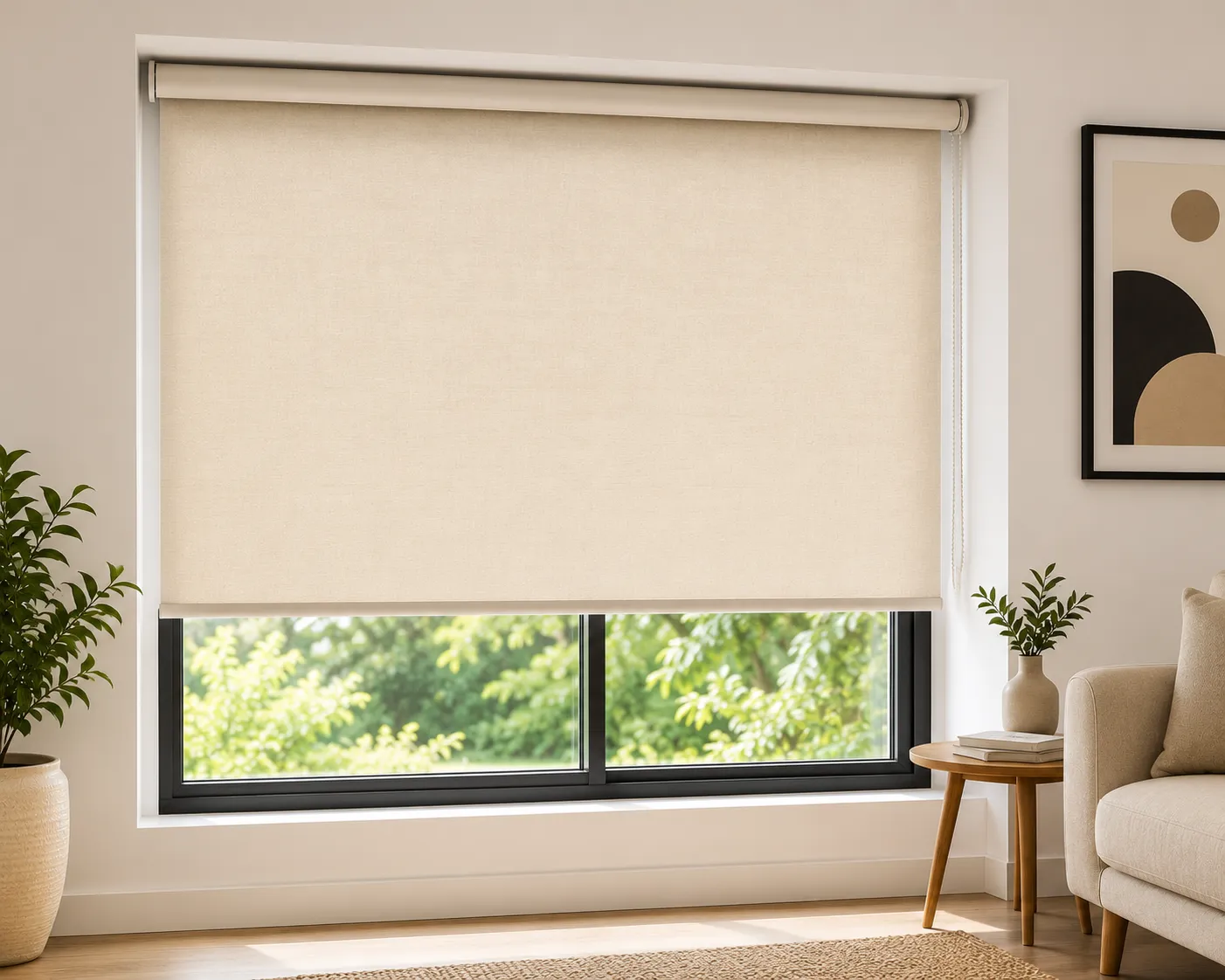
2. Roller Blinds

Roller blinds consist of a single piece of fabric that rolls up neatly when not in use. They are a great choice for modern homes and come in light-filtering as well as blackout options. These blinds work well in bedrooms, offices, and kitchens.

3. Roman Blinds

Roman blinds are made of fabric that folds into elegant pleats when raised. They create a soft and luxurious appearance, making them perfect for living rooms, dining rooms, and master bedrooms.

4. Vertical Blinds

Vertical blinds use long vertical slats that slide sideways. They are commonly installed on large windows and sliding glass doors because they are easy to operate and provide excellent light control.

5. Cellular (Honeycomb) Blinds

Cellular blinds have a honeycomb-shaped design that traps air inside the cells, helping reduce heat loss in winter and heat gain in summer. They are one of the most energy-efficient blind options available.

6. Wooden and Faux Wood Blinds

Wooden blinds add warmth and elegance to interiors, while faux wood blinds provide the same appearance with better moisture resistance. Faux wood is an excellent option for kitchens and bathrooms where humidity is high.

Types of Horizontal Blinds

The most common types of horizontal blinds include:

  • Venetian blinds

  • Wooden blinds

  • Faux wood blinds

  • Aluminum blinds

These styles are easy to use, provide precise light control, and complement both traditional and modern interiors.

Types of Blinds for Living Room

The living room is often the center of the home, so choosing the right blinds is important. The best types of blinds for living room include Roman blinds for a luxurious look, Venetian blinds for flexible light control, Roller blinds for modern interiors, and Wooden blinds for a warm, natural finish. Light-filtering fabrics are ideal because they let in natural daylight while maintaining privacy.

Types of Blinds for Sliding Doors

Large glass doors require blinds that move smoothly without blocking access. The best types of blinds for sliding doors are Vertical blinds, Panel Track blinds, and Roller blinds. These options provide easy operation, excellent coverage, and a clean, modern appearance.

Types of Curtain Blinds

Many homeowners combine curtains with blinds to create a stylish layered window treatment. Popular types of curtain blinds include Roller blinds with sheer curtains, Roman blinds with blackout curtains, and Wooden blinds paired with decorative drapes. This combination improves privacy, insulation, and the overall look of a room.

Types of Blinds with Pictures

When shopping online, you'll usually see types of blinds with pictures showing popular styles such as Venetian, Roller, Roman, Vertical, Cellular, Wooden, and Faux Wood blinds. Viewing images makes it easier to compare colors, materials, and designs before making a purchase.

What Are the 3 Types of Blinds with Pictures?

If you're looking for the most common options, what are the 3 types of blinds with pictures? The answer is:

  1. Venetian Blinds – Horizontal slats with adjustable light control.

  2. Roller Blinds – A single fabric sheet that rolls up neatly.

  3. Vertical Blinds – Long vertical slats, perfect for sliding doors and large windows.

These three styles are among the most popular because they suit a wide variety of homes and budgets.

How to Choose the Right Blinds

Before buying blinds, consider these points:

  • Measure your windows carefully.

  • Choose moisture-resistant materials for bathrooms and kitchens.

  • Select blackout blinds for bedrooms if you need complete darkness.

  • Match the blind style with your home's décor.

  • Consider cordless or motorized options for added safety and convenience.

Frequently Asked Questions (FAQs)

What are window blinds?

Window blinds are adjustable window coverings designed to control light, privacy, and ventilation while enhancing the appearance of a room.

Which type of blinds is best?

Venetian blinds are considered the most versatile because they offer excellent light control, durability, and suit almost every room.

Which blinds are best for a living room?

Roman, Venetian, Wooden, and Roller blinds are among the best choices for living rooms due to their style and functionality.

Also read : Why are blinds the best form of window coverings

J
Seven years turning raw data and complex information into research that is clear, verified, and actually useful.
View Profile

John Andrew is a research analyst and content writer with over 7 years of experience conducting primary and secondary research across multiple industries. He holds a Master of Science in Applied Research Methods from the University of Edinburgh and a Bachelor of Arts in Social Sciences from the University of Manchester — an academic background that gives his writing a structured, evidence-based approach that distinguishes it from opinion-driven content. His content covers data analysis, industry research, policy evaluation, market trends, and cross-sector insights across topics that require depth, accuracy, and a methodical approach to evidence. His work has appeared on platforms including The Conversation, ResearchGate Blog, and Towards Data Science, where he writes for professionals, academics, and informed readers who need content built on verified research — not aggregated summaries of existing commentary. Over 7 years, John has produced research reports and analytical content for organisations across the public and private sectors, covering topics ranging from policy impact assessments to consumer behaviour analysis. He has published 150+ research-driven articles and reports, contributed to peer-reviewed publications, and is a member of the Market Research Society (MRS), UK. Across all his writing, every claim is sourced, every data point is verified against primary research, and no conclusion is drawn without identifying the evidence and its limitations — because research content that does not show its working is not research, it is assertion.

0
Updated on05/20/26

The latest sensation, Artificial Intelligence is said to have the capability of ending poverty in the world. And of many ways that can happen, including the role it can play in the education sector.

Poor countries can use AI solutions to elevate the standards of their education system with intuitiveness and higher efficiency. Replacing teachers and traditional education standards, they can go beyond the needed scope to teach students much more than curriculum. AI systems can be more efficient in teaching tough concepts even to the weaker students.

Article image

Plus, education can become much cheaper. So those who can’t afford basic education (whose number is very high in poor countries), even can learn.

In short, everything in the education field could be much more efficient, quick, and cheap.

However, the happening of that in poverty-stricken countries seems like a difficult task for a few years moving forward. Because these countries still have poor ***** of internet and computers. They still have very little idea of AI and other cutting-edge technology. So unless you understand something, you won’t use it, would you!?

The community as a whole must be trained to welcome such new-age technology. Governments must invest heftily in building the right infrastructure and bringing transformational change in society, which, honestly, sounds like a fanatical idea.

But yeah, technology can easily improve the state of the education system by introducing AI and training communities for such change. But that is only possible if the governments of poor countries want it to happen.

1
1
Replying to the question above
Updated on07/23/26

Window blinds are available in several styles, each designed to suit different rooms, décor, and lighting needs. If you're wondering about the types of window blinds, the best choice depends on your budget, privacy requirements, and interior design.

To define window blinds, they are adjustable window coverings made from materials such as wood, fabric, aluminum, or PVC. They help control sunlight, improve privacy, and enhance the overall appearance of a room.

1345-image-1784792101667-477140751

The most popular different types of blinds include:

  • Venetian Blinds – Classic horizontal slats that offer excellent light control.
  • Vertical Blinds – Best for large windows and sliding glass doors.
  • Roller Blinds – Simple fabric blinds with a modern, minimal design.
  • Roman Blinds – Soft fabric blinds that fold into elegant pleats.
  • Cellular (Honeycomb) Blinds – Energy-efficient blinds that provide insulation.
  • Pleated Blinds – Lightweight blinds with a neat folded design.
  • Zebra Blinds – Alternate sheer and solid fabric stripes for flexible light control.
  • Panel Blinds – Wide sliding panels suitable for large windows.

Among the types of horizontal blinds, Venetian, wooden, faux wood, aluminium, and mini blinds are the most popular because they are durable, easy to maintain, and provide precise light control.

Many homeowners also prefer types of curtain blinds such as Roman, Roller, and Zebra blinds, as they combine the elegant look of curtains with the practicality of blinds.

Choosing the right type of blinds depends on your room, privacy needs, budget, and preferred style. By understanding these options, you can select window blinds that improve both comfort and the overall look of your home.

Among the different types of blinds, Venetian blinds are the most popular types of horizontal blinds, while Roman and Roller blinds are widely chosen as types of curtain blinds because they combine functionality with an elegant look.

 
Neha Mehta
A mind full of thoughts, a heart full of stories.
View Profile

I’m Neha Mehta, a passionate writer who enjoys exploring ideas, experiences, and perspectives. Through my writing, I aim to share meaningful insights and create engaging conversations.

0
Replying to the question above
Answered on07/21/26

The different types of window blinds include Venetian blinds, Vertical blinds, Roller blinds, Roman blinds, Cellular (Honeycomb) blinds, Wooden blinds, Faux Wood blinds, Pleated blinds, Zebra blinds, Panel blinds, and Motorized blinds. Each type offers unique benefits for light control, privacy, insulation, and style, making it suitable for different rooms, window sizes, and interior designs.

Article image

Window blinds are more than just window coverings. They help control sunlight, improve privacy, enhance energy efficiency, and add style to your home or office. Whether you're decorating a living room, bedroom, kitchen, or workspace, understanding the different types of window blinds can help you choose the best option for your needs.

Different Types of Window Blinds

1. Venetian Blinds

Venetian blinds are one of the most popular window blind styles. They feature horizontal slats made from aluminum, wood, or PVC that can be tilted to control light and privacy. These blinds suit both traditional and modern interiors and are easy to maintain.

Best for: Living rooms, bedrooms, and offices.

2. Vertical Blinds

Vertical blinds have long vertical slats that rotate and slide sideways. They are an excellent choice for large windows and sliding glass doors because they provide smooth operation and effective light control.

Best for: Patio doors, balconies, and large windows.

3. Roller Blinds

Roller blinds use a single piece of fabric that rolls up and down around a tube. They are available in blackout, sunscreen, and light-filtering fabrics, making them suitable for different lighting requirements.

Best for: Bedrooms, kitchens, and offices.

4. Roman Blinds

Roman blinds are made from fabric that folds into soft pleats when raised. They combine the elegant appearance of curtains with the practicality of blinds, making them a stylish choice for modern homes.

Best for: Bedrooms, dining rooms, and living rooms.

5. Cellular (Honeycomb) Blinds

Cellular blinds feature a honeycomb-shaped design that traps air inside the fabric cells. This helps improve insulation, maintain indoor temperatures, and increase energy efficiency throughout the year.

Best for: Energy-efficient homes and bedrooms.

6. Wooden Blinds

Wooden blinds are crafted from natural wood, giving windows a warm and premium appearance. They provide excellent light control while adding timeless elegance to interior spaces.

Best for: Living rooms, home offices, and luxury interiors.

7. Faux Wood Blinds

Faux wood blinds look similar to real wood but are made from moisture-resistant composite materials or PVC. They are durable, easy to clean, and perform well in humid environments.

Best for: Bathrooms, kitchens, and laundry rooms.

8. Pleated Blinds

Pleated blinds are made from folded fabric that stacks neatly when opened. Their slim profile and modern appearance make them ideal for smaller windows and compact spaces.

Best for: Home offices, conservatories, and small rooms.

9. Zebra Blinds

Also called day and night blinds, Zebra blinds feature alternating sheer and opaque fabric stripes. You can adjust the layers to control sunlight while maintaining privacy without completely blocking natural light.

Best for: Modern living rooms and bedrooms.

10. Panel Blinds

Panel blinds consist of large fabric panels that slide along a track. They create a clean, contemporary look and are particularly useful for covering wide windows or sliding doors.

Best for: Large windows and patio doors.

11. Motorized Blinds

Motorized blinds operate using a remote control, smartphone app, or voice assistant. They are convenient for hard-to-reach windows and are commonly used in smart homes.

Best for: Smart homes, offices, and luxury spaces.

Comparison of Window Blind Types

Type of BlindLight ControlPrivacyBest ForVenetianExcellentHighLiving rooms & officesVerticalVery GoodHighLarge windowsRollerExcellentHighBedrooms & kitchensRomanGoodHighStylish interiorsCellularExcellentHighEnergy efficiencyWoodenExcellentHighPremium décorFaux WoodExcellentHighBathrooms & kitchensPleatedGoodMediumSmall windowsZebraAdjustableHighModern homesPanelGoodHighSliding doorsMotorizedExcellentHighSmart homes

How to Choose the Right Window Blinds

The best window blinds depend on your specific requirements. Consider the following factors before making your choice:

  • Light Control: Venetian and Zebra blinds offer adjustable light control, while blackout Roller blinds are ideal for complete darkness.

  • Privacy: Bedrooms and bathrooms benefit from blinds that provide maximum privacy.

  • Room Type: Faux Wood blinds work well in humid spaces, while Roman blinds add elegance to living areas.

  • Energy Efficiency: Cellular blinds help reduce heat loss and improve insulation.

  • Style: Match the blind material and color with your home's interior design.

Frequently Asked Questions

Which type of window blinds is most popular?

Venetian and Roller blinds are among the most popular options because they combine excellent light control, affordability, and versatility.

Which blinds are best for large windows?

Vertical blinds and Panel blinds are the best choices for large windows and sliding glass doors because they are easy to operate and provide effective coverage.

Which window blinds are best for energy efficiency?

Cellular (Honeycomb) blinds are considered the most energy-efficient because their honeycomb structure helps trap air and improve insulation.

Which blinds are suitable for bathrooms and kitchens?

Faux Wood blinds and moisture-resistant Roller blinds are ideal for bathrooms and kitchens because they resist humidity and are easy to clean.

Also read : what is the best window blinds

H
Six years of research-backed expertise — making well-sourced, reliable content that readers and platforms can depend on.
View Profile

Himani Sharma is a subject matter expert and content writer with over 6 years of experience covering travel, government schemes, and personal development across digital platforms in India. She holds a Master's degree in Social Sciences from Banaras Hindu University (BHU), an academic background that informs the research depth and analytical approach she brings to every topic she covers. Her content spans domestic and international travel guides, breakdowns of central and state government welfare schemes, and practical personal development resources for Indian readers navigating career, finance, and everyday life decisions. Her work has appeared on platforms including Nativeplanet, Sarkari Result Blog, and UrbanClap Stories, where she has built a reputation for content that is thoroughly researched, clearly structured, and genuinely useful. Over six years, Himani has published 200+ articles across her subject areas, developing a methodical content approach — verified sources, evidence-based arguments, and writing that serves the reader's actual information need rather than just ranking for keywords. Her subject matter grounding gives her a consistent edge in producing content that holds up to professional scrutiny across three distinct but equally research-intensive categories. Across all her writing, her standard remains the same — research first, clarity always, and content that serves the reader rather than just filling a page.

0
Replying to the question above
Updated on01/03/26

Blinds, which are being much preferred over curtains these days, come in 14 different types:

1. Vertical Blinds: These blinds have individual slats which run along a track at the top of a blind. Depending on the design, vertical blinds either open from either side, or part in the middle. They make floor to ceiling windows really attractive.
 
2. Venetian Blinds: These are the most popular type of blinds. Venetian Blinds have horizontal slats which open from bottom to top.
 
3. Mini Blinds: They operate like venetian blinds, but the width of their slats is smaller than venetian blinds.
 
4. Micro Blinds: The slats in these blinds are even smaller than mini blinds.
 
5. Panel Blinds: They are popularly used for patio doors. The sections in these blinds move along a track side by side.
 
6. Pleated Shades: These shades have pleats forming an accordion like pattern, which closes and opens, and hence the blinds can be raised and lowered. They are made from fabric or paper.
 
7. Cellular Shades: They look like pleated shades and the fabric is also same as them. These shades have pockets which capture heat or cold and provide insulation.
 
8. Roman Shades: They are traditional shades made from jute. It opens up like a venetian blind –opening up into itself.
 
9. Roller Shades: These shades, made up of natural or synthetic fabrics, can be rolled up or down according to your convenience.
 
10. Tie-up shades: They are in between a shade and a curtain. Ranging from a broad types of materials, these shades can be tied up in the middle.
 
11. Solar Shades: The main purpose of these shades is to reduce sunlight and UV rays in the room. Their design is much like roller shades.
 
12. Outdoor Shades: They are made up of hard materials, which are often weather resistant. They reduce the sunlight from outside, and hence are most commonly used in patios and decks.
 
13. Skylight Shades: They also have insulating properties and are available in roller, pleated and cellular variants.
 
14. Smart Blinds: They are a part of smart home technology, and are becoming increasingly common. They sync with a smartphone application, which can be operated by an individual, as well as a group.
0