
Quick Answer
When redesigning a room or moving into a new home, one of the most impactful design decisions you make involves your windows. If you find yourself asking, "Why are blinds the best form of window coverings?", the answer lies in their unmatched versatility. Unlike soft curtains or drapes that are either entirely open or completely closed, blinds offer precise, adjustable control over the exact amount of natural light entering a room. Combine this superior functionality with their sleek, modern aesthetic, high durability, and ease of maintenance, and it becomes clear why blinds are the smartest investment for both residential and commercial spaces.
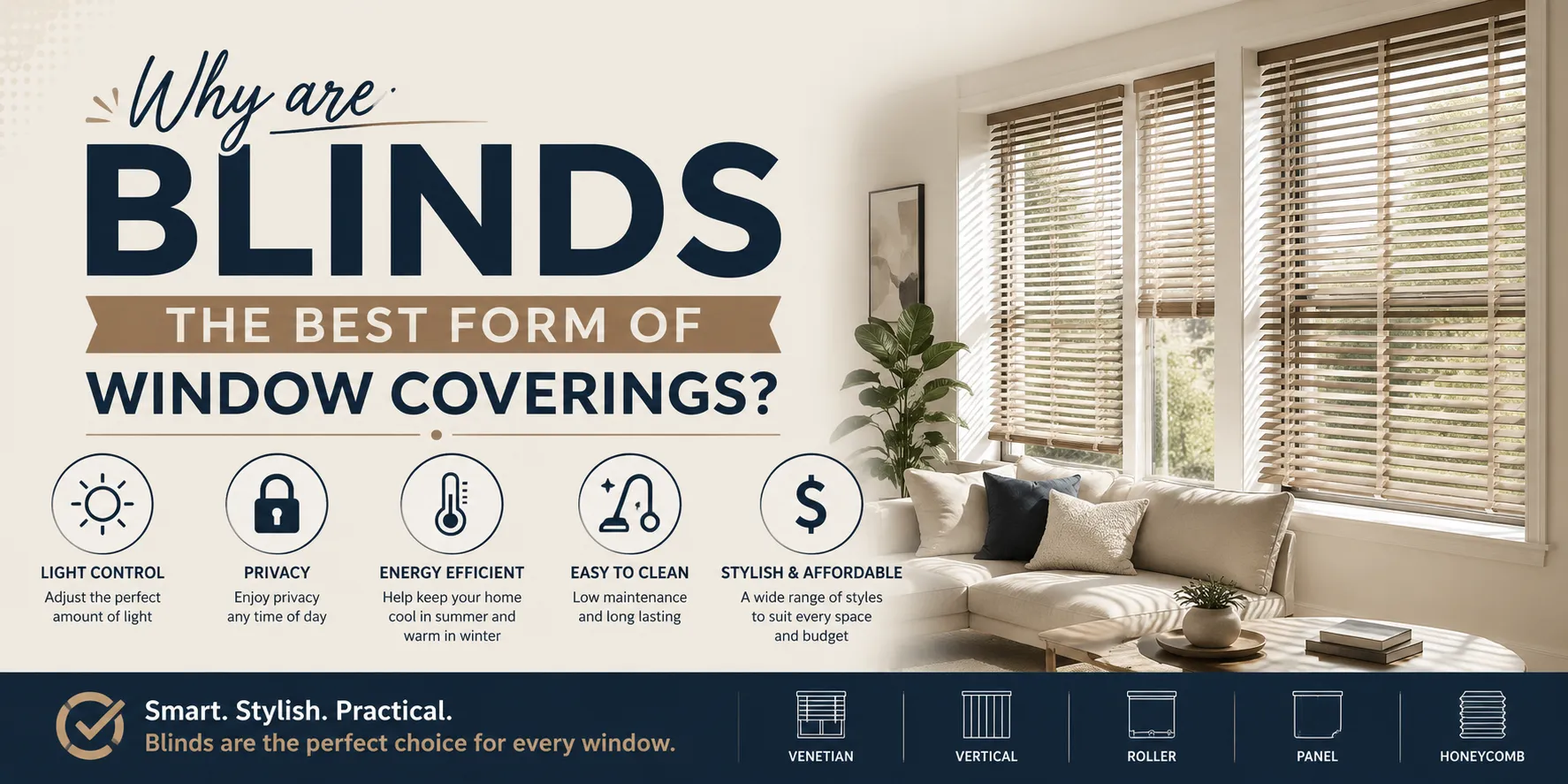
Superior Light Control and Privacy
The primary function of any window treatment is to manage sunlight and maintain indoor privacy. This is where blinds completely outperform traditional fabric alternatives. Blinds—whether made of wood, faux wood, aluminum, or composite materials—feature horizontal or vertical slats (louvers) that can be tilted.
By simply adjusting the angle of these slats, you can deflect harsh, direct sunlight toward the ceiling, protecting your furniture and hardwood floors from UV fading, while still allowing a soft ambient glow to illuminate the room. More importantly, tilting the slats allows you to see outside while preventing anyone on the street from seeing inside. This unique capability to balance natural light and total privacy simultaneously makes blinds the ideal choice for bedrooms, bathrooms, and street-facing living areas.
Durability and Ease of Maintenance
Traditional fabric curtains act as massive filters, trapping dust, pet dander, and cooking odors over time. Cleaning them is often a major chore that requires unhooking heavy panels, running them through a washing machine, or paying for expensive professional dry cleaning.
Blinds eliminate this hassle entirely. Because they are constructed from solid, hard materials, they do not absorb odors or moisture. Routine maintenance simply involves wiping the slats with a microfiber cloth or a specialized dusting tool while they are still hanging in the window. Furthermore, high-quality faux wood and aluminum blinds are highly resistant to humidity, making them the only logical choice for high-moisture environments like kitchens and bathrooms where standard fabrics would quickly develop mold.
Blinds vs. Curtains at a Glance
To help you make the best decision for your interior design project, here is a quick breakdown comparing the functional aspects of blinds against traditional curtains:
Feature | Window Blinds | Fabric Curtains |
|---|---|---|
Light Control | High. Adjustable slats filter light precisely. | Low. Usually only fully open or fully closed. |
Privacy Management | Excellent. Can see out without being seen. | Poor. Opening them removes privacy entirely. |
Cleaning Routine | Very Easy. Wipe down with a damp cloth or duster. | Difficult. Requires removal and machine washing. |
Moisture Resistance | High (especially faux wood/aluminum). | Low. Susceptible to mold and heavy odors. |
Aesthetic Appeal | Clean, modern, structural, and space-saving. | Soft, traditional, often bulky and floor-sweeping. |
Top Benefits of Choosing Blinds
Understanding exactly why this specific window treatment reigns supreme helps justify the initial investment. Here are the core benefits you will enjoy when you upgrade your home:
Space Efficiency: Blinds fit perfectly within the window frame. They do not pool on the floor or require bulky hardware that eats up valuable wall space, making small rooms feel significantly larger.
Customization: They are easily custom-cut to fit awkwardly sized or arched windows perfectly, ensuring a tailored, high-end look.
Cost-Effectiveness: While premium wood blinds can be an investment, aluminum and faux-wood options are incredibly affordable and often cost significantly less than custom fabric drapery.
Allergy Reduction: By eliminating the massive fabric surface area of curtains, you dramatically reduce the amount of dust mites and allergens trapped in your home.
Frequently Asked Questions (FAQs)
Are window blinds energy efficient?
Yes. When properly fitted and closed tightly, blinds add an insulating layer of trapped air between the room and the glass. In the summer, reflective white blinds can bounce solar heat away from the house, significantly reducing your air conditioning costs.
Are blinds safe for homes with small children or pets?
Older styles with long, dangling pull cords can pose a hazard. However, the modern industry standard has shifted heavily toward cordless designs. Opting for cordless or motorized blinds eliminates the strangulation risk, making them incredibly safe for kids and pets.
Do window blinds increase the value of a home?
High-quality, custom-fitted blinds (particularly real wood or premium faux-wood shutters) are considered permanent fixtures. They add immediate aesthetic appeal during house viewings and are often factored into the overall appraisal value of the property.
Conclusion
When homeowners debate their interior design options and ask, "Why are blinds the best form of window coverings?", the answer always comes down to the perfect marriage of form and function. While curtains can add a soft touch to a room, they simply cannot compete with the structural durability, the ease of cleaning, and the precise light-filtering mechanics of blinds. By choosing this modern window treatment, you are investing in a low-maintenance, highly practical solution that keeps your home stylish, comfortable, and perfectly private year-round.
Sources & References: Architectural Digest
Also Read: What is the difference between a window wall and a curtain wall?