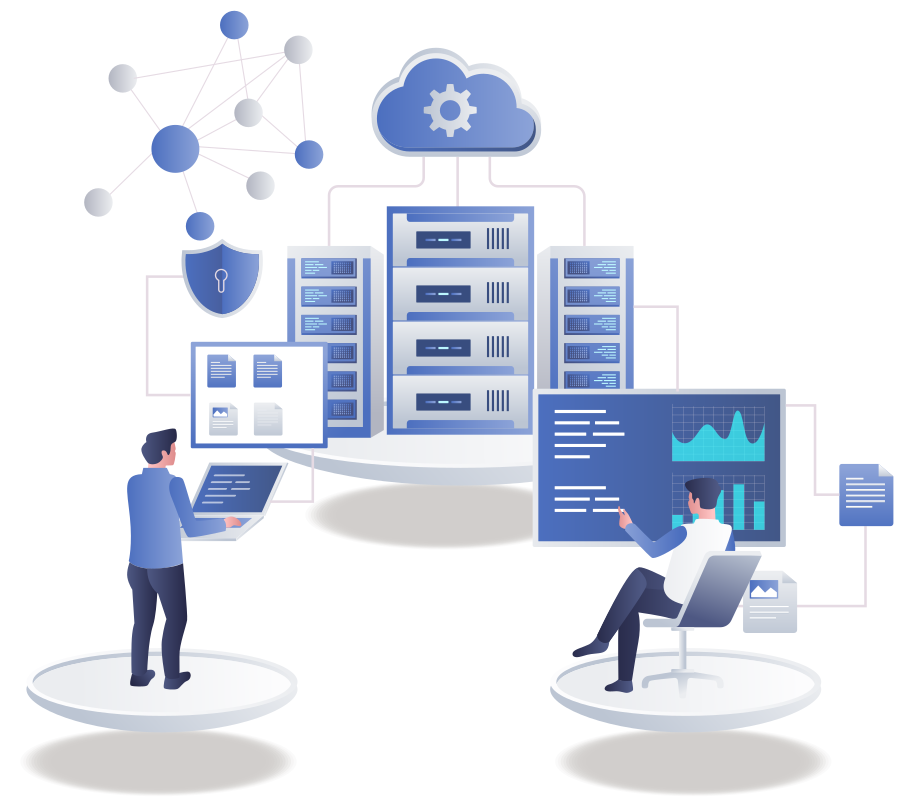
Managed IT services have become increasingly essential for businesses of all sizes, offering a range of benefits that enhance operational efficiency and security. Here’s why organizations should consider leveraging managed IT services.
1. Scalability
One of the primary advantages of managed IT services is scalability. As businesses grow, their IT needs often change. Managed service providers (MSPs) allow organizations to scale their IT infrastructure up or down based on current requirements without the need for significant upfront investments. This flexibility ensures that companies can adapt to market demands quickly and efficiently, avoiding the pitfalls of over- or under-investing in technology resources.
2. Predictable Costs
Managed IT services provide predictable monthly costs, which help businesses budget more effectively. Instead of facing fluctuating expenses associated with in-house IT management, companies can rely on a fixed fee structure that covers all necessary services. This predictability allows for better financial planning and reduces the risk of unexpected costs arising from IT issues.

3. Reduced Downtime
Minimizing downtime is critical for maintaining productivity. MSPs proactively monitor systems and implement best practices to ensure that IT environments remain operational. By addressing potential issues before they escalate, managed services can significantly reduce downtime, allowing employees to focus on their core tasks without interruptions.
4. Increased Productivity
With a dedicated team managing IT systems, employees can concentrate on their primary responsibilities rather than dealing with technical issues. MSPs ensure that systems are updated and running smoothly, which enhances overall productivity within the organization. Additionally, by providing user training and support, MSPs help employees maximize their use of technology.
5. Enhanced Security
Cybersecurity threats are a growing concern for businesses today. Managed IT services offer improved security through continuous monitoring and advanced security measures. MSPs implement best practices for data protection, patch management, and incident response, ensuring that sensitive information remains secure against potential breaches.
6. Access to Expertise
Partnering with an MSP grants businesses access to a team of IT experts who possess specialized knowledge and experience. This expertise can be invaluable, especially for small to medium-sized enterprises that may not have the resources to hire full-time specialists for every aspect of their IT needs.
7. Faster Technology Adoption
Managed service providers facilitate easier and faster technology adoption by managing the implementation and integration of new systems and tools. This allows businesses to stay competitive by leveraging the latest technologies without the stress of managing the transition themselves.
8. Peace of Mind
Outsourcing IT management to an MSP provides business owners with peace of mind, knowing that their technology infrastructure is in capable hands. This allows them to focus on strategic initiatives and business growth rather than getting bogged down by day-to-day IT challenges.
9. Custom Solutions
Every business has unique needs, and managed IT services can offer customized solutions tailored to specific organizational requirements. Whether it’s cloud computing, data backup solutions, or compliance management, MSPs can design services that align with business goals.
10. Compliance Support
Many industries face strict regulatory requirements regarding data security and privacy. Managed IT service providers are well-versed in these regulations and can help businesses maintain compliance while minimizing risks associated with non-compliance.