Omega-3 fatty acids can support healthy skin by helping maintain cell membranes, regulating inflammation, and supporting the skin's natural barrier. Research has explored omega-3s for inflammatory skin problems, dryness, irritation, and protection against some effects of UV exposure, although they aren't a magic solution for clear or glowing skin.
From my perspective, this is where skincare gets unnecessarily complicated. We spend a lot of time thinking about what to apply to the skin, but nutrition matters too. At the same time, I wouldn't start taking omega-3 solely because an Instagram Reel promised "glass skin in 30 days."
How Omega-3 Supports Skin
Your skin needs healthy fats as part of normal cell and barrier function. Omega-3 fatty acids are components of cell membranes and also influence inflammatory processes in the body.
Interestingly, true omega-3 deficiency can cause rough, scaly skin and an itchy, swollen rash, although deficiency is considered rare.
Skin area | Possible omega-3 role |
|---|
Skin barrier | Supports normal lipid and cell function |
Inflammation | Helps regulate inflammatory pathways |
Dryness | May support moisture/barrier function |
Irritation | EPA and DHA have anti-inflammatory activity |
UV response | Some research suggests photoprotective effects |
Potential Benefits
The most interesting benefit, in my opinion, isn't "glow." It's inflammation control.
EPA and DHA can influence inflammatory pathways, and recent research continues to investigate their role in resolving inflammation in the skin.
A dermatology review found potential benefits of omega-3 supplementation across conditions, including psoriasis, atopic dermatitis, acne, and skin ulcers. However, evidence varies considerably between conditions and studies.
So I'd describe omega-3 as supportive for skin health, not a treatment that automatically fixes acne, eczema, pigmentation, or aging.
Types of Omega-3
There are three main omega-3s:
ALA is primarily found in plant foods. EPA and DHA are mainly found in seafood, although algae-based sources are also available.
The body can convert ALA into EPA and DHA, but only in small amounts.
For someone following a vegetarian diet, I think this distinction is especially useful. Eating walnuts and flaxseeds provides ALA, but it isn't exactly equivalent to directly consuming EPA and DHA.
Food Sources
Good omega-3 sources include:
NIH recommends getting most nutrients from foods as part of an overall healthy diet rather than automatically depending on supplements.
Personally, I'd start there. A tablespoon of seeds won't transform your face overnight, but building a nutritionally balanced diet makes far more sense than chasing another "beauty supplement."
Supplements & Safety
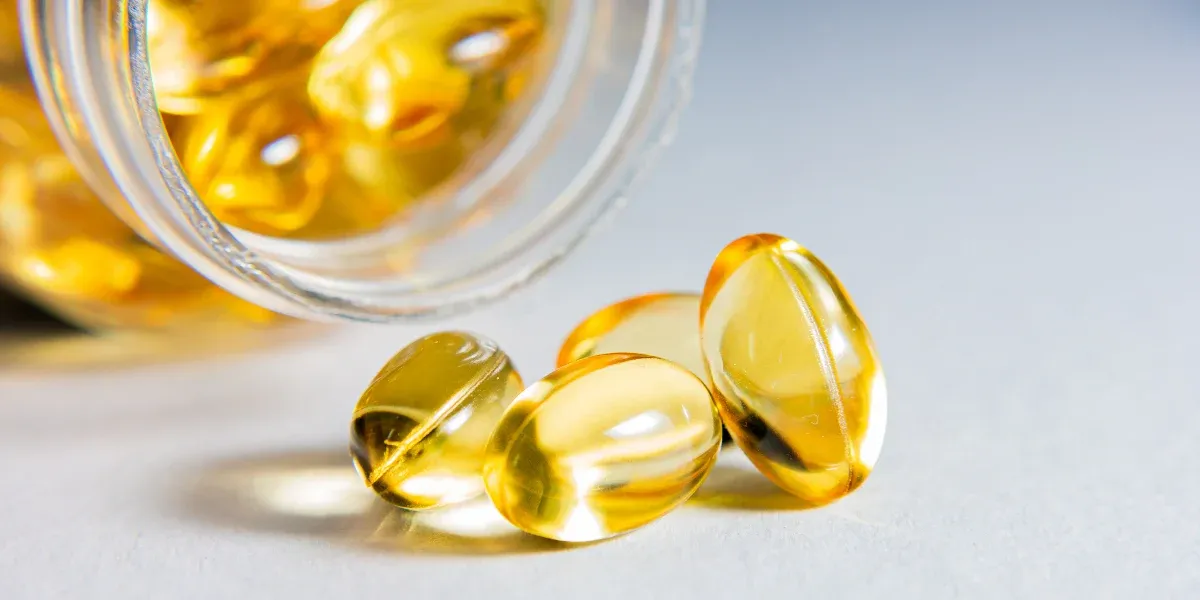
Omega-3 supplements commonly include fish oil, krill oil, cod liver oil, and algal oil, which provides a vegetarian option.
If you're buying one, don't judge it only by the big "1000 mg fish oil" written on the front. Check how much EPA and DHA the product actually contains because formulations vary widely.
High-dose supplementation also isn't something I'd casually experiment with. Omega-3 supplements can cause nausea, heartburn, diarrhea, and other mild side effects, and high doses may interact with anticoagulant medicines.
Frequently Asked Questions (FAQs)
1. Does omega-3 make your skin glow?
There's no strong evidence that omega-3 directly gives everyone "glowing skin." Its more realistic role is supporting normal skin function and inflammatory balance.
2. Can omega-3 help dry skin?
Possibly. Essential fatty acids contribute to skin-barrier and moisture regulation, although persistent dryness can have many other causes.
Must-read: What are the 5 benefits of including omega-3 fatty acid supplements in your diet?
