
TABLE OF CONTENTS
- Introduction
- Nutritional Value of Vegetables
- How Vegetables Help Prevent Diseases
- Vegetables and Chronic Disease Prevention
- Best Vegetables to Eat Daily
- How Much Vegetables Should You Eat Daily
- Easy Ways to Include More Vegetables in Your Diet
- Common Myths About Eating Vegetables
- Vegetables for All Age Groups
- Conclusion
- FAQs
Introduction
Let's be honest: most of us view a plate of greens as a chore. But here's the cold, hard truth: the easiest way to stay out of a hospital bed is to eat vegetables daily. You may think it is like old-school advice from your grandma, but in 2026, science is backing it up. It's time to stop treating veggies like a side dish and look at them as your primary health insurance.
Importance of Vegetables in the Daily Diet
Your body behaves like a high-performing engine. If you put cheap fuel in it, it's going to break down. The importance of vegetables in diet is not just about weight; it's about cellular survival. I know a guy who swapped his morning bagel for a veggie-packed smoothie, and his brain fog vanished in a week. That's the power of real fuel.
Link Between Diet and Disease Prevention
There's a direct line between what you chew and how your body fights. Using vegetables for disease prevention is basically giving your internal security team better weapons. Chronic illnesses don't just happen overnight; they grow in environments where nutrition is missing. Eating a salad isn't just a healthy choice but a tactical move against future sickness.
Nutritional Value of Vegetables
Vitamins and Minerals
Most people reach for a supplement bottle, but your body actually wants the real deal. Healthy diet vegetables are packed with bioavailable Vitamin C, K, and Potassium. Think of a bell pepper like a natural Vitamin C. Unlike pills, the nutrients in veggies come with helpers that ensure your body actually absorbs the food stuff.
Fiber and Antioxidants
Fiber is the unsung hero of a healthy diet. It's the broom that cleans out your arteries and colon. Pair that with antioxidants that act like tiny shields against cell damage, and you have a powerful combo ready. My neighbour started tracking her daily vegetable intake, and her cholesterol dropped 15 points. No meds, just more broccoli and beans.
Phytochemicals and Their Benefits
This is the secret sauce. Phytochemicals are what give veggies their deep colour and bitter taste, and they are masters at repairing DNA. When you eat vegetables daily, these compounds come into your system and make your cells healthy. It's how you debug your cells.
How Vegetables Help Prevent Diseases
Boosting Immunity
Do you want to stop catching every cold that goes around the college? Vegetables boost immunity by supporting your white blood cells. Garlic, onions, and mushrooms aren't just for flavour; they are biological primers. I have not had a major flu in years, and I swear it's because I treat my stir-fry like a prescription.
Reducing Inflammation
Inflammation is the silent killer behind everything from joint pain to Alzheimer's. Benefits of eating vegetables, especially the dark leafy ones, include a massive drop in inflammatory markers like C-reactive protein. So basically, you are pouring water on a fire before it burns the whole house down.
Improving Gut Health
Your god is like your second brain. If you want to keep it happy, you need probiotics that are found in veggies like leeks and asparagus. A diverse daily vegetable intake feeds the good bacteria in your stomach. When your gut is happy, your mood improves, and your skin clears up. It's all connected, and it all starts on your plate.
Vegetables and Chronic Disease Prevention
Heart Disease
If you want to keep your ticker taking you need vegetables for heart health. Nitrates and beads, and spinach help relax your blood vessels and lower blood pressure naturally. I have seen people reverse early-stage hypertension just by making 50% of their plate green. It's a lot cheaper than a cardiologist, that's for sure.
Diabetes
For vegetables for diabetes prevention, look no further than non-starchy picks like zucchini and peppers. They don't spike blood sugar. In fact, the fibres slow down sugar absorption. Transitioning to healthy eating habits that prioritise high-fibre greens is the best way to keep your insulin levels from going on a roller coaster ride.
Obesity
You can eat a literal mountain of spinach and still consume fewer calories than a single slice of pizza. Vegetables provide bulk without the calorie baggage. It's the ultimate weight loss hack because you never actually feel hungry. You are filling your stomach with volume and nutrients instead of empty sugar and processed fats.
Cancer Risk Reduction
No food is a cure, but cruciferous veggies like Brussels sprouts contain sulforaphane, which has been shown in studies to inhibit cancer cell growth. The importance of vegetables in the diet becomes crystal clear when you realise you're eating preventative medicine. Every bite of broccoli is a vote for a longer and healthier life.
Best Vegetables to Eat Daily
Leafy Green Vegetables
Kale, spinach, and Swiss chard are the heavy hitters. If you eat vegetables daily, these should be your foundation. They are loaded with folate and iron. Pro Tip: saute them with a little olive oil and garlic so they don't taste like lawn clippings. You will actually enjoy the health boost.
Cruciferous Vegetables
Broccoli, cauliflower, and cabbage are the detox kings. They help your liver process toxins and balance your hormones. I try to roast a big tray of cauliflower every Sunday, so I have no excuses during the week. It's the easiest way to stick to healthy eating habits when you are busy and stressed.
Colorful Vegetables and Their Benefits
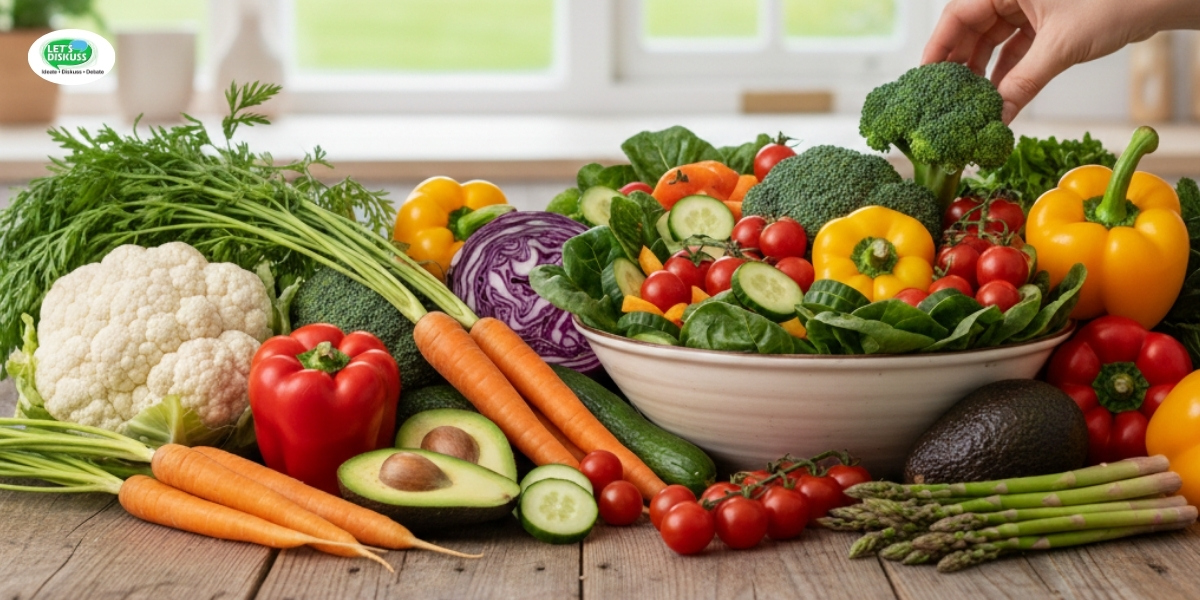
Eat the rainbow. Orange carrots for eyes, red tomatoes for the heart, and purple eggplant for the brain. The colors tell you exactly what nutrients you are getting. A diverse plate is a healthy plate. So, are you ready to ditch the junk and eat vegetables daily? Your future self will thank you.
How Much Vegetables Should You Eat Daily
Recommended Daily Intake
Most experts say you need about 2 to 3 cups of greens a day. Honestly, just aim to fill half your plate at every meal. If you eat vegetables daily in those amounts, you’re hitting the sweet spot for your body to function. It’s not about being perfect; it’s about making that daily vegetable intake a non-negotiable part of your routine.
Portion Size Guide
Think of a fist as one cup. If you’re eating leafy greens, two fists equal one portion. I tell my friends to stop measuring and start eyeing. If your plate looks like a beige desert of pasta and bread, you’re doing it wrong. Toss in some peppers or broccoli until the colour takes over coz that’s your real portion guide.
Easy Ways to Include More Vegetables in Your Diet
Meal Planning Tips
Don't overthink it. Sunday night, I chop up a bunch of carrots, cucumbers, and bell peppers. If they’re ready to grab, you’ll actually eat them. Healthy eating habits die when you're tired, and the veggies are unwashed in the crisper drawer. Prep them early, and you’ve already won half the battle for the week.
Healthy Cooking Methods
Stop boiling the life out of your greens! Roasting at 400 degrees with a bit of olive oil and sea salt makes everything taste like candy. Steaming is great for keeping the importance of vegetables in diet high because it preserves those heat-sensitive vitamins. Air fryers are also a total game-changer for making crispy kale chips in minutes.
Snacks with Vegetables
Swap the chips for snap peas or radishes. I am serious. You can dip them in some hummus or spicy guac, and you won't even miss the processed stuff. Keeping sliced veggies at eye level in the fridge is a pro move. When you eat vegetables daily as a snack, you stop that 3 PM sugar crash dead in its tracks.
Common Myths About Eating Vegetables
Raw vs Cooked Vegetables
People love to argue about this, but the truth is, both have perks. Raw spinach is great for heart health. Don't get stuck in the raw-only trap. Just eat them, you'll actually enjoy them; it's the variety that matters the most.
Frozen vs Fresh Vegetables
Here’s a secret: frozen veggies are often healthier than fresh ones that have sat in a truck for a week. They are picked and frozen at peak ripeness, and locking in all that goodness for vegetables boosts immunity. Plus, they are cheaper and won't rot in your fridge. My freezer is always stocked with spinach and peas for quick stir-frys.
Vegetables for All Age Groups
Children
Getting kids to eat vegetables daily is basically an Olympic Sport. My sister hides pureed cauliflower in mac and cheese or blends spinach into monster smoothies with fruit. It's about exposure. Don't make it a fight; make it a normal part of the table. Eventually, their taste buds catch up to the healthy diet vegetables you are offering.
Adults
Between work and coffee, our health often takes a backseat. But using vegetables for diabetes prevention is key once you hit your 30s and 40s. A quick salad at lunch can prevent that afternoon brain fog. We need that fiber and those antioxidants to keep our metabolism from stalling out as we age. It's pure fuel for the grind.
Elderly People
For the seniors in our lives, soft-cooked vegetables for disease prevention are vital for maintaining bone density and eye health. Things like mashed sweet potatoes or stewed greens are easy on the teeth but heavy on the nutrients. It’s about staying mobile and keeping the mind sharp.
Conclusion
Making Vegetables a Daily Habit for Better Health
Look, nobody wakes up craving a bowl of steamed cabbage. But when you start to eat vegetables daily, your body literally changes. You feel lighter, your skin glows, and you’re building a fortress against sickness. Start small: one extra veggie a day. Before you know it, these healthy eating habits will be the reason you feel unstoppable.