Starting a clothing line sounds exciting, but the reality can feel messy at first. You sketch out ideas, imagine people wearing your designs, and then realize you have no clue how to turn drawings into real pieces.
That is where a manufacturer comes in. Picking the right one is one of the biggest steps for any new brand. It can make or break your first collection. The process might look overwhelming, but if you take it slowly, it becomes manageable.
Why Location Can Help
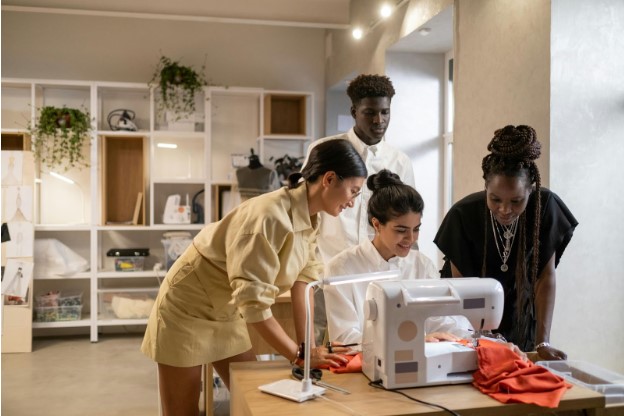
When people talk about fashion in the U.S., Los Angeles clothing manufacturers almost always come up. The city is filled with workshops, small factories, and people who know the fashion world inside out.
Working with someone local means you can actually visit them. You get to see machines running, fabrics being cut, and workers handling details. That kind of access gives you confidence. It also helps you learn how production really works.
Shape Your Idea First
Before you even contact a manufacturer, make sure your idea is clear. Are you going for streetwear, athletic gear, or maybe timeless basics? Every type of clothing requires different skills and equipment.
If your concept is fuzzy, manufacturers will not know how to help you. Put together a simple lookbook or at least a few clear sketches. Even a Pinterest board can do the job. The point is to give people a visual to work with.
Money Talks
Budgeting might feel boring, but it is the backbone of your first collection. Manufacturers will want to know how much you can spend. That number affects everything: fabric choices, order size, and even the kind of stitching used.
Do not forget extra costs like shipping or labels. It is better to be realistic now than surprised later. Having your budget mapped out also shows that you are serious, not just experimenting.
Take Your Time With Research
Finding a manufacturer is not something you do in one afternoon. Start online, check directories, and ask other designers for tips. Trade shows are also a good place to meet people face-to-face.
When you narrow down options, look for proof of their past work. Ask for client names or photos of previous collections. Pay attention to whether they work with small startups. A huge factory that usually produces for global brands may not be the right fit when you are starting small.
The Power of Samples
Never jump straight into a bulk order. Ask for samples first. A sample tells you almost everything you need to know. You see how the stitching holds, how the fabric feels, and if the fit matches your idea.
Wear it around, wash it, and get honest feedback from friends. If details are off, speak up. It is much easier to fix mistakes now than after hundreds of items are already made.
Treat Them Like Partners
A manufacturer is not just a vendor. They can become part of your team if you build a good relationship. Be respectful, but also stand by your vision. Listen when they give advice on fabric weight or stitching methods, because they often know what will and will not work in production.
Over time, trust makes everything smoother. A strong partnership can even lead to better prices or faster turnaround on future orders.
Look Ahead
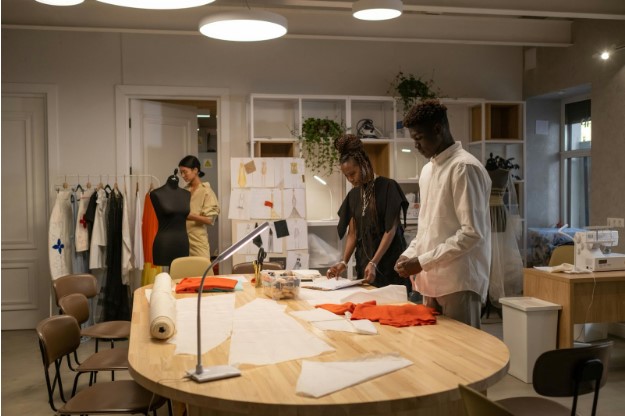
Even if your first order is small, think about where you want to go. What if your line takes off faster than expected? Can the manufacturer keep up? Some are only equipped for small runs, while others can scale production easily.
Ask these questions early so you do not run into surprises later. Planning ahead keeps you flexible as your brand grows.
Closing Thoughts
Building your first clothing line is both fun and stressful. Choosing a manufacturer is one of the toughest steps, but also one of the most rewarding once you get it right. Be patient with the process. Take time to research, set a clear budget, and test samples.
Most of all, treat the relationship like a partnership. If you approach it with clarity and respect, you will have a much smoother path from sketch to finished product.