You start transcribing, fingers poised, ready to type. Words appear neatly on the page, seemingly simple, almost mechanical. But then the world sneaks in—a cough in the background, a brief overlap of two voices, a tiny “uh” before the main sentence even begins. Your attention wavers, rewind becomes routine, play becomes a loop. Thirty seconds can feel like ten minutes. Every subtle nuance demands notice, every hesitation a decision. Humans see these things. Machines… not so much.
The small pauses, the micro-breaths, the barely audible inflections—these are the clues that give words weight. One stretched vowel, a fleeting laugh, a hesitant pitch before a name—it all carries meaning. Machines capture letters. Humans capture intent, context, the invisible heartbeat behind speech.
It’s in these almost imperceptible gaps where meaning lives.
Listening is Harder Than You Think
Listening isn’t passive. It’s layered, messy, and requires constant judgment.
A word trails off. Two voices overlap. A laugh sneaks in from the corner. The mic hums softly. Every tiny moment demands a decision: does this matter? How should it be noted? You replay, slow down, rewind again. Humans catch what matters. Machines usually do not.
Even the smallest inflections can change everything. One vowel stretched out. A pause before a proper noun. A shift in pitch just enough to hint at doubt or hesitation. These aren’t details. They’re the context. Humans process it naturally. Machines? Not yet.
Short clips are no exception. A fifteen-second TikTok could have a glance, a micro-pause, a fleeting expression. Machines log words. Humans understand intent. Humans feel it. Humans notice the invisible.
Educators sift through lectures, adjusting phrasing and emphasis. Researchers annotate interviews, marking pauses, emotion, and hesitation. Humans make decisions that machines can’t. Typists have evolved into curators, interpreters, editors. The small human touch gives meaning that speed alone cannot.
The Temptation of AI
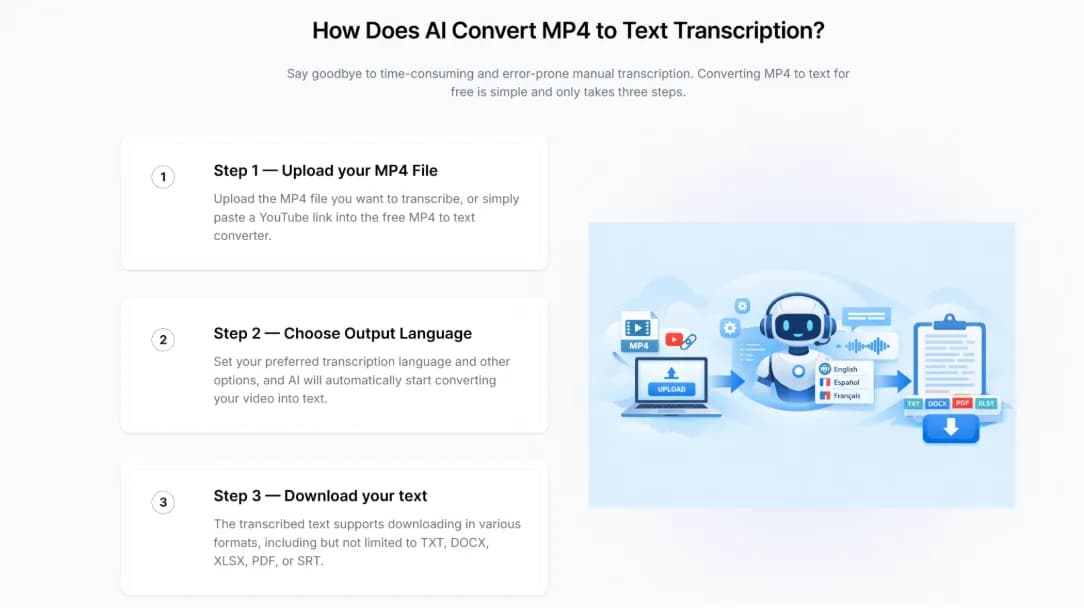
AI is fast. Insanely fast. Multi-speaker interviews, noisy recordings, podcasts, TikTok clips—you name it. Minutes, not hours. Platforms like TikTok transcriptor show this perfectly. Upload a clip. Captions appear. Voices separated. Content searchable. Ready to edit. Speed is intoxicating.
But fast has a price. Subtlety slips away. Humor. Irony. Hesitation. Overlaps. Flattened. A small sigh before a sentence, a laugh that carries nuance, a pitch hinting at sarcasm or doubt—they exist in the words but are stripped of life. AI provides volume. Humans provide texture. Without human review, transcripts can be technically correct but hollow, precise but empty.
Sometimes reading an AI transcript feels like watching shadows. Words exist. Meaning? Not fully. The small pauses, micro-shifts in tone, the fleeting cues machines ignore—they carry context. Humans notice. Machines don’t.
Humans Catch What Machines Miss
Transcription is not typing. It’s judgment in motion. Context, inflection, emotion—all need interpretation.
In a research interview, a participant hesitates before a sensitive answer. AI captures the words. Humans capture context. Micro-pauses, fleeting stress on syllables, subtle timing shifts—these carry meaning. Without humans, much evaporates.
Even TikTok videos rely on nuance. A glance, a subtle pause, an almost imperceptible expression—machines type words. Humans perceive intent. Humans feel it. Humans notice what is invisible.
Humans and AI: Better Together
This shows up in workflows everywhere. AI drafts captions. Humans adjust timing, tone, humor, references. Educators process lectures, refine emphasis. Researchers annotate pauses, emotion, and hesitation. Hybrid systems combine speed with judgment, producing transcripts that are efficient yet alive.
Humans are no longer typists. They are curators, interpreters, editors. Machines handle volume. Humans handle meaning. Together, they produce transcripts that are readable, precise, and alive.
Accessibility and Insight
AI transcription opens doors. Instant captions. Searchable archives. Readable transcripts. Students, educators, marketers, creators—all save time. Lectures instantly accessible. Webinars searchable. Podcasts captioned immediately. Ideas move faster.
Yet humans remain critical. AI misplaces punctuation. Misinterprets filler words. Merges phrases awkwardly. Humans smooth text. Preserve context. Ensure comprehension.
Even a TikTok video benefits. AI generates captions in seconds. Humans adjust timing, phrasing, subtle humor. Accessibility improves. Engagement grows. Meaning remains intact.
Why Humans Remain Essential
Humans are more than typists. Annotation. Analysis. Contextual tagging. Quality control. These are human domains. AI handles bulk. Humans handle interpretation. Teachers highlight key points. Podcast editors refine pacing. Researchers capture emotional nuance.
This evolution isn’t regression. Humans focus on what machines cannot: judgment, nuance, meaning. Machines handle volume. Humans preserve understanding. Together, they produce something richer.
AI will improve. Context recognition, tone detection, nuance interpretation—rapidly advancing. Machines may approach human subtlety.
Still, judgment, intuition, oversight—these remain human. Manual transcription may not be the default. But it’s far from obsolete. AI handles speed. Humans handle understanding. Together, they preserve tone, intent, subtlety.
Even after AI finishes, humans pause. Replay a micro-pause. Notice a fleeting inflection. Consider the hesitation that shifts meaning. That is perception. That is why manual transcription remains invaluable.