As artificial intelligence becomes a bigger part of our lives, understanding its writing capabilities is significant. While AI can generate text that appears human-like, it's quite different from what a real person writes. This article examines the differences between AI writing and human writing, showcasing how each has its own style, creativity, and unique qualities. Let’s investigate how these two forms of writing compare.
Understanding AI Writing
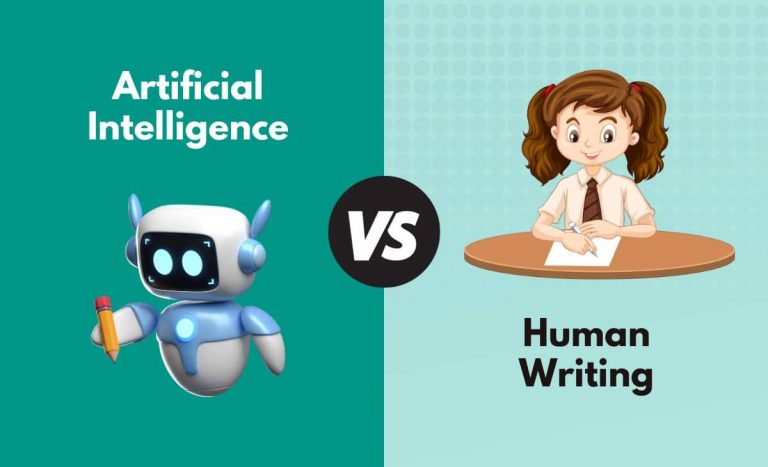
AI writing systems operate on algorithms that evaluate perplexity and burstiness, revealing both strengths and weaknesses compared to human-written text. Understanding these principles clarifies how AI-generated text can lack the personal touch and creativity found in essays composed by human writers. The context of content creation also significantly influences quality and relevance; for instance, a well-defined prompt enhances the model's accuracy, leading to more coherent outputs.
In contrast, human writers often draw from personal experiences and anecdotes, enriching their work with authenticity and emotional depth. This leads to a transformative journey filled with curiosity, supporting lifelong learning. While AI maintains consistency in style and can optimize content for industries like marketing and journalism, it often struggles with originality and the expression of complex ideas.
The implications for academic writing are considerable, as educators face challenges in ensuring integrity and proper attribution when AI is involved. As the relationship between technology and writing evolves, the need for careful analysis of these factors becomes increasingly evident, especially concerning issues like plagiarism and engagement.
The Nature of Human Writing
Human-written text stands out due to its emotional depth and personal experiences, showcasing the connection between authorship and authenticity. The creative process encourages originality and reflects unique perspectives, allowing authors to engage readers through vivid anecdotes and personalized content. This variation in expression and creativity adds a sense of growth and personal touch, highlighting the transformative journey of understanding and curiosity.
In contrast, AI-generated text, while consistent and accurate in processing information, often lacks the emotional resonance found in human-created works. The reliance on algorithms in content creation ties back to the model's strengths and weaknesses, as it faces challenges like burstiness and the need for dynamic expression. Human writing adapts styles based on culture and individual identity, showing implications for academic writing and marketing across various fields.
The focus on integrity and attribution in essays reveals insights for educators, stressing the importance of honesty as technology evolves, fostering a conversation around plagiarism and engagement in learning.
AI-Generated vs Human Written: Key Differences
1. Speed and Efficiency
AI-generated text excels in speed, allowing for quick turnarounds on various writing tasks like essays and reports, revolutionizing industries such as marketing and journalism. This efficiency impacts writers by enhancing productivity, enabling them to focus on creativity and engagement rather than the drudgery of drafting. However, while algorithms generate content swiftly, they may sometimes lack a personal touch, which is important for authentic expression and growth.
The challenge lies in balancing the accuracy and relevance of the material produced; AI's ability to sift through large datasets can improve insights but may lead to issues with integrity and plagiarism if not monitored. Educators face implications regarding teaching methods, fostering curiosity and originality amidst this technological development.
Understanding the strengths and weaknesses of both human-written text and AI-generated content is important for maintaining authorship integrity, as well as ensuring accurate attribution. The journey toward blending artificial intelligence with creative writing must acknowledge the significance of perplexity and burstiness to uphold the authenticity that comes with personal experiences and anecdotes.
2. Creativity and Originality
AI-generated text often lacks the creativity and originality found in human-written work, as it depends on algorithms and pre-existing data, which can result in content that feels less unique and innovative. Human writers bring personal experiences, emotions, and anecdotes into their creations, providing authenticity and a personal touch that resonates with readers. This journey of expression contrasts with the consistent output of AI, which finds it difficult to match such depth.
When evaluating creativity in writing, one can look at the variation in style and structure; human-written essays tend to have greater diversity. This fosters richer content that encourages ongoing exploration and understanding. The reliance on AI in fields like marketing and journalism highlights the need for integrity and honesty, prompting educators to teach approaches for addressing issues like plagiarism and proper attribution.
Finding a balance between the strengths and weaknesses of AI and human authorship is important for developing effective content-creation strategies.
Technical Analysis of AI-generated Content
When analyzing content creation, educators can employ various methodologies to assess the grammatical and syntactical accuracy of AI-generated text in comparison to human-written essays. By using AI content detectors and algorithms, they can measure factors like perplexity and burstiness, enhancing understanding of strengths and weaknesses in each form.
The contextual comprehension of AI-generated content often lacks the depth and emotional richness found in human writing, which draws from personal experiences and anecdotes. This affects its authenticity and engagement. Human writers showcase originality and creativity through a distinctive style of expression, incorporating personal touches that reflect their journeys. On the other hand, AI-generated content tends to follow a consistent structure and can often seem impersonal. While it achieves accuracy and replicates language patterns using extensive data, it may struggle with the subtleties of nuance found in text created by humans.
The implications for academic writing are significant, as issues of plagiarism and integrity arise, prompting educators to rethink teaching methods and consider the development of responsible frameworks for incorporating technology in classrooms.
Technical Differences in Composition
1. Grammar and Syntax Usage
AI-generated text generally shows a more consistent grammatical structure than content created by humans. While this consistency can enhance accuracy, it often lacks the variety in syntax present in human writing. Such differences in sentence diversity influence readability and engagement; human authors typically mix various sentence lengths and styles, making their work more relatable. In contrast, the uniformity in AI content may lead to decreased reader interest.
Common issues in AI writing can include awkward phrasing and a shortage of idiomatic expressions, whereas human creators often make stylistic choices that reflect personal experiences and creativity. This distinction underscores the advantages and disadvantages of both methods. For educators, recognizing these factors is important when considering teaching strategies, whether focusing on student development or maintaining academic integrity, particularly regarding plagiarism and proper attribution.
The advancement of AI continues to pose challenges and offer insights into the changing dynamic between technology and authorship across multiple fields, such as marketing and journalism.
2. Contextual Understanding
AI-generated content relies on algorithms to analyze large amounts of data, focusing on metrics such as perplexity and burstiness. This enables AI to produce content rapidly, appealing to fields like marketing and journalism. However, the technology often struggles with originality and emotional depth, resulting in essays that may lack a personal touch or authentic expression.
Although educators incorporate AI for improvement in academic writing, there are challenges related to accuracy and integrity. AI has certain advantages, including consistency and factual recall, yet it often fails to convey unique insights drawn from personal experiences and anecdotes. This limitation affects its ability to engage readers and raises concerns about plagiarism and authorship in academic settings. Human writers, motivated by curiosity and creativity, embark on a transformative journey filled with honesty in their teaching methods, fostering deeper connections with the subjects.
Recognizing these strengths and weaknesses is important for educators aiming to balance the benefits of AI with the richness of human-written text, ultimately enhancing learning and comprehension.
Comparative Analysis of Styles
1. Formal vs Informal Tone
A formal tone in writing is marked by a structured approach, sophisticated vocabulary, and minimal personal anecdotes, which establish a sense of authority and distance. In contrast, an informal tone adopts a conversational style, incorporates personal experiences, and uses relatable stories, creating warmth and connection. The tone selected notably affects how audiences perceive and engage with the content.
Formal writing often reflects accuracy and integrity, making it suitable for academic and professional communication. Conversely, informal writing encourages curiosity and emotional involvement, which makes it effective in marketing and storytelling. Situations demanding precision, such as scholarly papers or legal documents, are best served by a formal approach, while contexts that require creativity and relatability, like blogs or personal narratives, favor informal writing.
Grasping these elements helps educators modify their teaching strategies and assess the impact of tone on content creation. Furthermore, the rise of artificial intelligence in writing introduces challenges regarding originality and authorship, highlighting the importance of transparency in attributions and the need to maintain integrity in both AI-generated and human-written materials.
2. Persuasiveness and Emotional Appeal
The effectiveness of content in engaging emotions lies in its use of personal experiences and anecdotes, which evoke feelings of curiosity and connection. For instance, stories about lifelong learning illustrate the transformative journey individuals undergo as they navigate challenges. The persuasive language, infused with creativity, invites the reader to share in interpretations of growth, prompting acceptance of the author's viewpoint.
The structure of the argument further enhances its persuasiveness; by juxtaposing AI-generated text and human-written essays, it examines the strengths and weaknesses of each. This analysis highlights factors like perplexity and burstiness, creating a more engaging narrative. Emotional triggers such as authenticity and integrity resonate with readers, making them more receptive to insights about plagiarism, authorship, and accuracy in academic writing.
Authorship in AI-generated vs Human Written Content
The concept of authorship reveals notable differences between AI-generated content and human-written text. Human authorship is defined by personal experiences, creativity, and a unique style, incorporating anecdotes and a personal touch. In contrast, AI-generated text depends on algorithms and data, often lacking originality and genuine expression.
Regarding attribution and accountability, AI content presents challenges; educators must navigate the complexities of plagiarism and honesty, as machine-produced essays can closely resemble human writing without a clear author. This raises questions about integrity and the implications for academic writing across various fields, including journalism and marketing. Understanding the relationship between content creation and originality becomes important, as educators assess the strengths and weaknesses of different models. With the rise of technology, the learning journey evolves, inspiring curiosity and growth in teaching methods.
The accuracy and consistency of AI-generated pieces can obscure the authenticity that human authors provide, prompting deeper insights into the impact of artificial intelligence in content development and the ethical considerations surrounding its use.
Examples of AI-generated Content vs Human-written Text
AI-generated text often lacks the personal touch and emotional depth found in human-written text, which can include engaging anecdotes and unique expressions drawn from personal experiences. For instance, essays that reflect on lifelong learning may reveal a narrative style rich in imagery and metaphor, showcasing individuality.
In contrast, AI-generated content might produce a more uniform tone, with structured sentences that prioritize accuracy but miss the creativity and spontaneity of human expression. These AI models reflect understanding through algorithms that ensure consistency but struggle with perplexity, leading to repetitive formats. When applied in academic writing, the implications of this relationship between AI content detection and human creativity highlight challenges such as plagiarism and the need for proper attribution.
Educators exploring these factors must weigh the strengths and weaknesses of both forms of content creation, emphasizing originality and engagement. The journey of integrating technology into education can enhance growth and curiosity but also calls for careful analysis to maintain integrity in writing across various industries, including journalism and marketing.