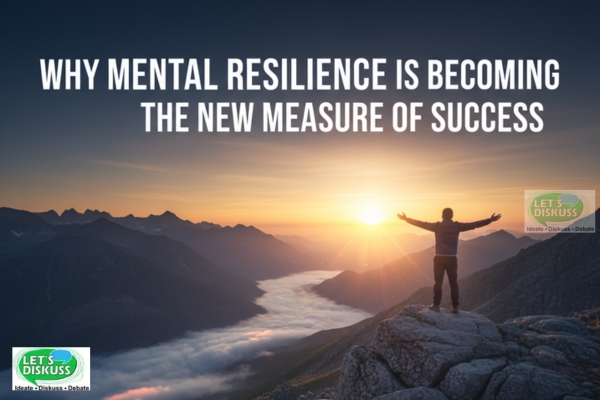
There was a time when people measured success almost exclusively by money, job titles, or how many stamps filled their passports. That version of achievement is starting to feel incomplete. More people are realizing that stability, peace of mind, and the ability to stay grounded in a turbulent world matter just as much, if not more. The shift is subtle but profound: resilience is being recognized as a true marker of strength. Building it doesn’t mean ignoring struggle or pretending everything is fine. It’s about developing habits, environments, and perspectives that allow you to meet challenges with flexibility instead of collapse.
The Culture of Constant Connectivity
Technology has rewired the way people interact, for better and worse. While it’s incredible to be able to work with teammates across continents or check in on loved ones instantly, there’s also the exhausting sense that life never switches off. Notifications can feel like tiny jolts to the nervous system, keeping you perpetually on alert. This is where resilience comes into play. The ability to step back and recognize that you don’t need to respond to every ping right away, or that the pressure of appearing available 24/7 isn’t actually sustainable, is part of protecting your mental bandwidth.
It’s also worth mentioning how social media and mental health collide in this conversation. Comparing your life to curated highlights of someone else’s can chip away at your confidence, and doomscrolling through negativity can trap you in a loop of despair. Resilience in this space doesn’t mean logging off forever. It means curating your feeds, setting boundaries on your screen time, and remembering that your self-worth isn’t tied to likes or shares. The real victory comes when you can enjoy the upside of connectivity without letting it dictate your inner world.
The New Language of Work and Well-Being
Employers used to treat stress like an unfortunate side effect of ambition. You were expected to grind until you broke, then patch yourself up and keep going. That mindset is eroding as more workers push back against burnout culture. Resilience at work is no longer about surviving impossible schedules. It’s about companies creating systems that prevent employees from hitting a wall in the first place. Think flexible hours, access to counseling, and managers who encourage recovery rather than glorifying exhaustion.
For individuals, the shift looks like taking your vacation days without guilt, speaking up when workloads are unreasonable, and redefining what productivity actually means. You’re not less capable because you value rest. In fact, resilience is strengthened when people acknowledge their limits and honor them. The smartest workers aren’t the ones who never stop; they’re the ones who know when to recalibrate so they can keep showing up without eroding their health.
Community As a Source of Strength
One overlooked part of resilience is how deeply it’s tied to other people. Humans are wired for connection, and trying to shoulder everything alone is often what makes setbacks feel unbearable. Community—whether that means friends, faith groups, support circles, or neighbors—acts as a buffer against life’s shocks. Being able to call someone who understands, share a meal, or just sit in silence with someone who cares can flip the narrative of isolation into one of belonging.
This doesn’t mean you need an army of people around you. Sometimes one or two reliable connections are enough to provide stability. Resilience grows when you know there’s a net under you, even if you don’t have to use it often. And it’s a two-way street: being the person others can lean on strengthens your own sense of purpose and capability. That cycle of give and take builds a kind of invisible scaffolding that keeps you upright when things tilt.
Finding Balance Through Care
Resilience also has a physical side. Sleep, nutrition, and movement are often treated like luxuries in a packed schedule, when in reality they’re non-negotiable foundations. Without them, the mind simply doesn’t have the capacity to adapt. You can’t grit your way through exhaustion forever. Rested brains make better decisions, process stress more effectively, and maintain emotional balance more consistently.
For some, care might extend into professional environments that offer additional layers of support. That’s where specific options can play a role—for example, luxury mental health facilities in California or Hawaii may be just what you need if your circumstances call for immersive, structured help. These aren’t quick fixes or indulgences. They’re deliberate choices to step back, reset, and rebuild resilience with professional guidance. The lesson here is that seeking care is a sign of wisdom, not weakness.
Resilience in Everyday Practice
The small, daily choices add up. Breathing exercises, journaling, or taking a walk before answering that stressful email might not sound groundbreaking, but over time they create a baseline of steadiness. Resilience isn’t about bouncing back in one dramatic leap. It’s about the quiet consistency of practices that make you less likely to topple in the first place.
It also involves reframing setbacks. Instead of labeling them as disasters, you can see them as interruptions, or even opportunities to test your adaptability. This doesn’t romanticize hardship; it recognizes that difficulty is part of life and choosing how you meet it changes the outcome. The people who navigate challenges best aren’t necessarily stronger or smarter. They’ve just built enough resilience to bend instead of break.
Where the Conversation Goes From Here
The growing acknowledgment of resilience as success points to a cultural shift that values sustainability over sprinting. It’s not just a personal mindset but a collective one, influencing how companies treat their teams, how schools approach students’ well-being, and how communities support each other. The broader the understanding becomes, the easier it is for individuals to prioritize resilience without feeling like they’re stepping outside of the norm.
Closing Perspective
Success defined by resilience doesn’t ignore ambition or achievement. It expands the definition to include steadiness, recovery, and the ability to remain whole in the face of pressure. That’s not just healthy—it’s revolutionary in a culture that often mistakes burnout for dedication. The strength that comes from resilience isn’t about proving how much you can endure, but about choosing to protect your capacity to keep moving forward with clarity and calm. That shift changes everything about how we measure what really matters.