.png)
The 7 elements of interior design are fundamental principles that form the backbone of any successful interior space. By understanding and skillfully incorporating these elements, designers can create visually appealing, functional, and harmonious environments that cater to the needs and preferences of their clients. In this article, we will delve into each element, drawing insights from top websites and social media trends to provide a comprehensive and engaging overview.
1. Space:
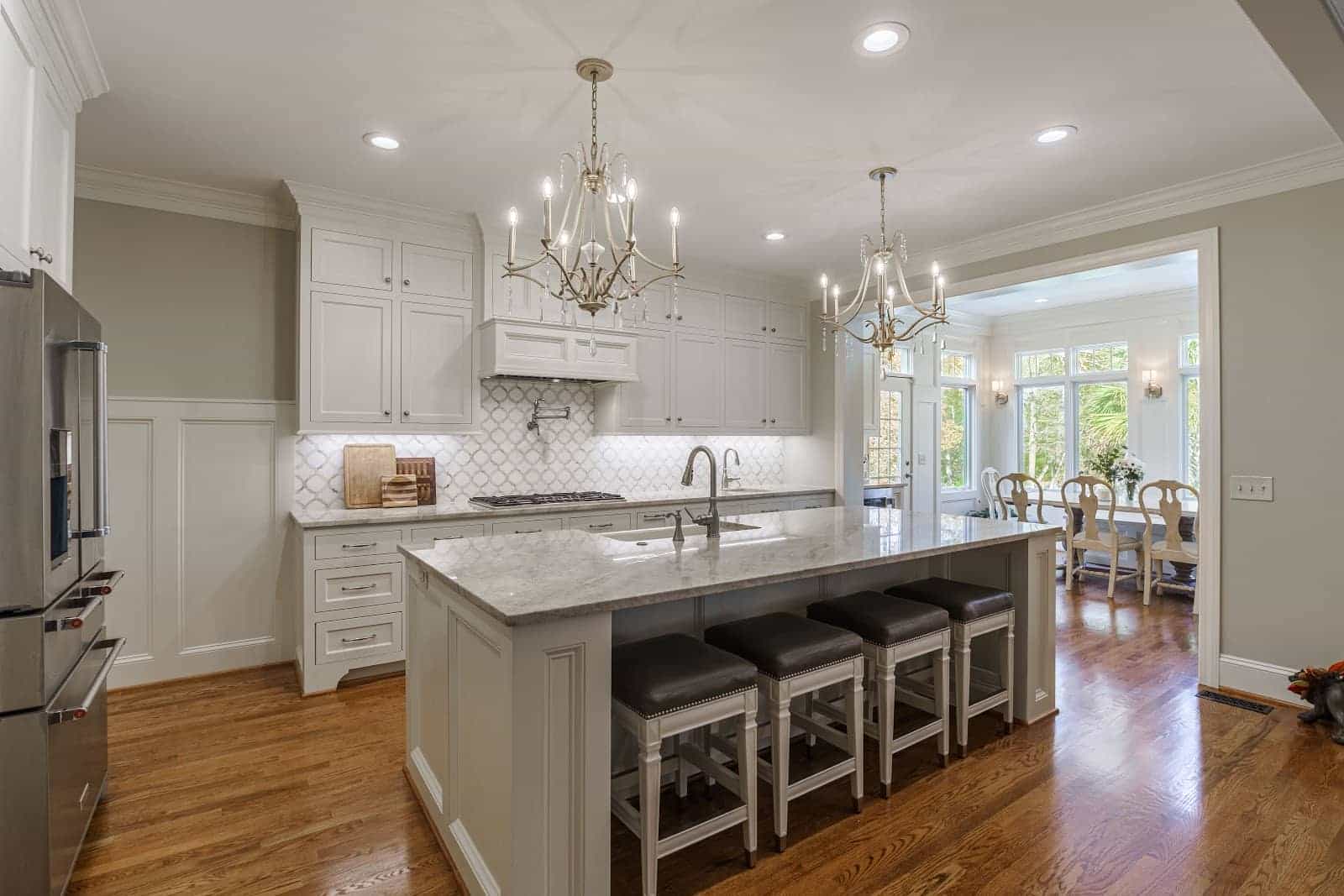
Space is the very canvas upon which all other design elements are painted. It refers to the available area within a room or structure and how it is organized and utilized. Effective use of space is crucial for creating a functional and aesthetically pleasing environment. Top design websites emphasize the importance of spatial planning, which involves dividing the available space into distinct zones or areas based on their intended purpose, such as living, dining, or sleeping areas. This not only enhances functionality but also creates a sense of flow and visual interest.
2. Line:
Lines are the fundamental building blocks of design, defining boundaries, shapes, and patterns within a space. They can be straight, curved, horizontal, vertical, or diagonal, and each type of line can evoke different emotions and create distinct visual effects. According to trending articles, vertical lines can create a sense of height and grandeur, while horizontal lines convey a feeling of stability and calmness. Curved lines, on the other hand, introduce a sense of movement and softness. Designers skillfully incorporate lines through architectural elements, furniture placement, and decorative accents to guide the eye and create a harmonious composition.
3. Form:
Form refers to the three-dimensional shapes and volumes that occupy space. These shapes can be geometric (cubes, spheres, cylinders) or organic (irregular, free-flowing shapes). Forms are created by furniture, architectural elements, or decorative objects, and they play a critical role in defining the overall aesthetic and functionality of a space. Influential design blogs highlight the importance of balancing different forms within a room, creating visual interest and preventing a monotonous appearance.
4. Light:
Light is a powerful tool in interior design, affecting not only the perception of a space but also the mood and ambiance. Both natural and artificial lighting sources should be considered and utilized effectively. Top design influencers on social media emphasize the importance of layering different types of lighting, such as ambient, task, and accent lighting, to create depth, dimension, and visual interest. Proper lighting can also highlight architectural features, artwork, or focal points within a space.
5. Color:
Color is one of the most powerful and emotionally evocative elements in interior design. It can set the tone, create a desired atmosphere, and define the overall style and personality of a space. Trending color palettes and combinations are widely discussed on design forums and social media platforms. While some designers prefer bold, vibrant hues to create a statement, others opt for soothing, neutral tones for a more calming effect. The careful selection and balanced use of colors are crucial for achieving the desired impact.
6. Texture:
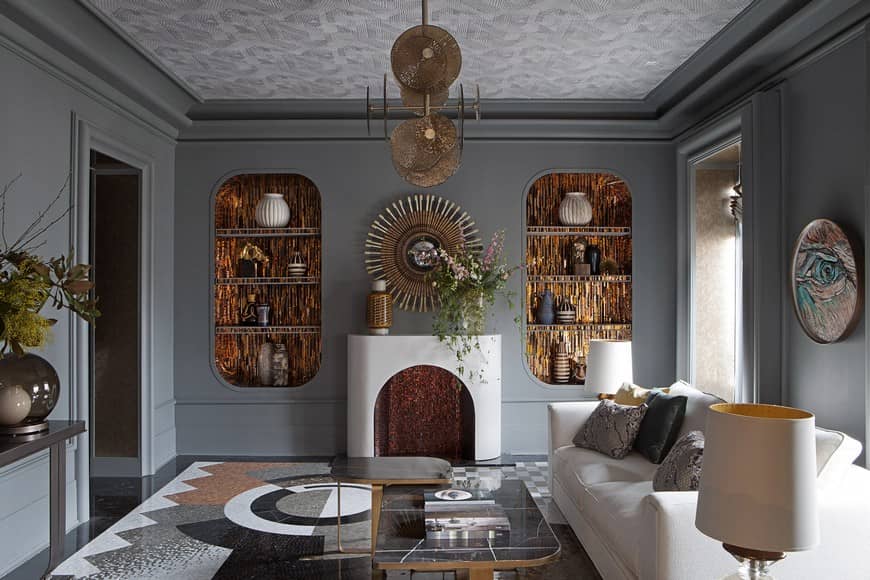
Texture adds depth, interest, and tactile quality to a space. It can be visual (patterns, surfaces) or actual (materials that can be touched). Top design websites advocate for incorporating a variety of textures, such as rough stone, smooth glass, or plush fabrics, to create contrast, add warmth, and provide a sense of richness and complexity. Texture can also be used to define different zones or areas within a space, creating a visually engaging and dynamic environment.
7. Pattern:
Patterns introduce rhythm, movement, and visual interest to a space. They can be found in fabrics, wallpapers, flooring, and decorative accessories. According to social media influencers, patterns can be used to create focal points, define zones, or add a touch of personality to a design. Bold, geometric patterns can make a statement, while subtle, organic patterns can add a touch of sophistication. The key is to strike a balance between patterns and solid surfaces to avoid overwhelming the space.
By masterfully combining and harmonizing these seven elements, interior designers can create spaces that not only meet functional requirements but also evoke emotions, tell stories, and reflect the unique personalities and lifestyles of their clients. As trends and styles evolve, the interpretation and application of these elements may shift, but their fundamental importance in creating captivating and memorable interior spaces remains steadfast.