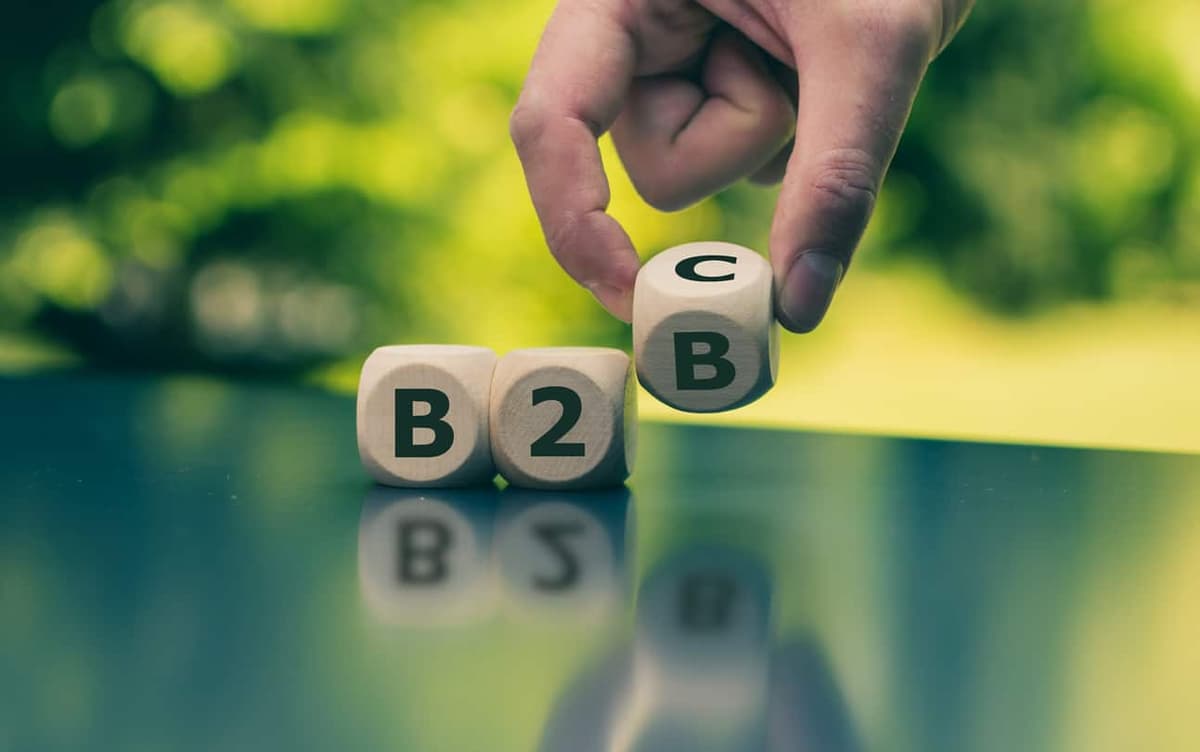
B2B marketing means one business selling things to other businesses. The target audience is companies, institutions, and government agencies. The decision-making process is more complex, and it often involves multiple people. Building relationships with clients is important, and trust and credibility are key. Customization and personalization are common, and content marketing is used to educate and inform potential customers. Professional networks are also used to reach potential clients. Businesses are typically more concerned with the return on investment (ROI) when making purchasing decisions.
B2C marketing is when a business sells products or services to individual consumers. The target audience is broad and diverse. The decision-making process is simpler and has a shorter cycle. Consumers often make buying decisions based on personal preferences, emotions, and immediate needs. B2C marketing often appeals to emotions and personal desires. Mass marketing techniques, such as advertising through TV, radio, social media, and other mass media channels, are often used. Consumers are often more price-sensitive, looking for deals, discounts, and convenience when making purchases. Building brand awareness and recognition is crucial. B2C companies often sell directly to consumers through various channels, such as physical stores, e-commerce websites, and mobile apps. B2C companies often deal with a high volume of transactions but with smaller individual purchase amounts compared to B2B transactions.