
The capital of Nepal is Kathmandu, an energetic and generally rich city settled in the Kathmandu Valley. Kathmandu fills in as the political, social, and financial center of Nepal, assuming a focal role in the nation's organization, the travel industry, and public activity.
The city's set of experiences goes back hundreds of years, and its name is derived from the old Kathmandap Sanctuary, a notable design in the core of the city. That's what the historical underpinnings recommend. "Kathmandu" starts from the words "Kastha" (wood) and "Mandap" (structure), alluding to the wooden pagoda-style engineering that portrays the sanctuary.
As the capital, Kathmandu is home to significant government organizations, including the Official Castle, the State Leader's home, and the Parliament. It fills in as the political operational hub where key choices are made, molding the bearing of the country.
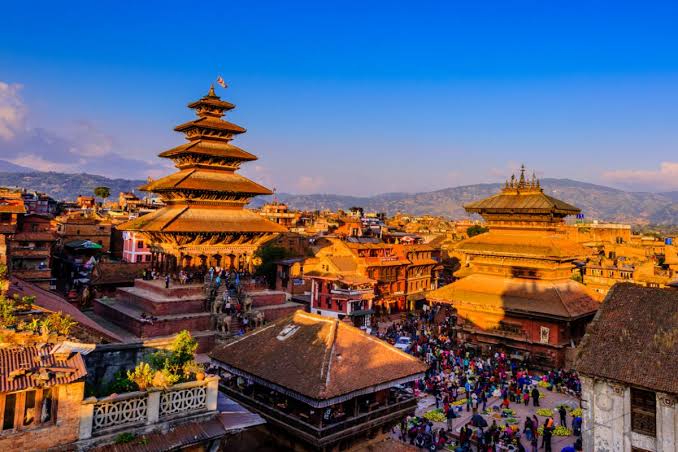
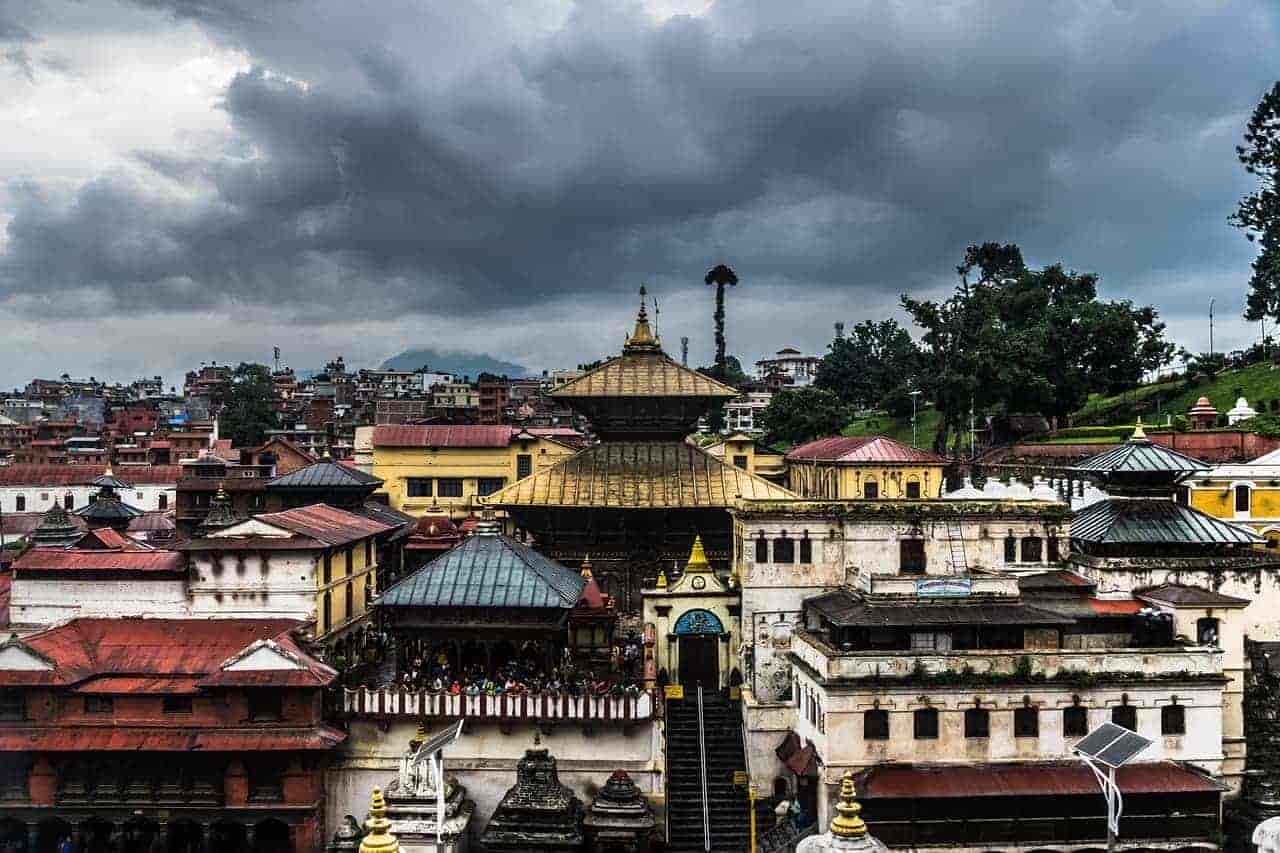
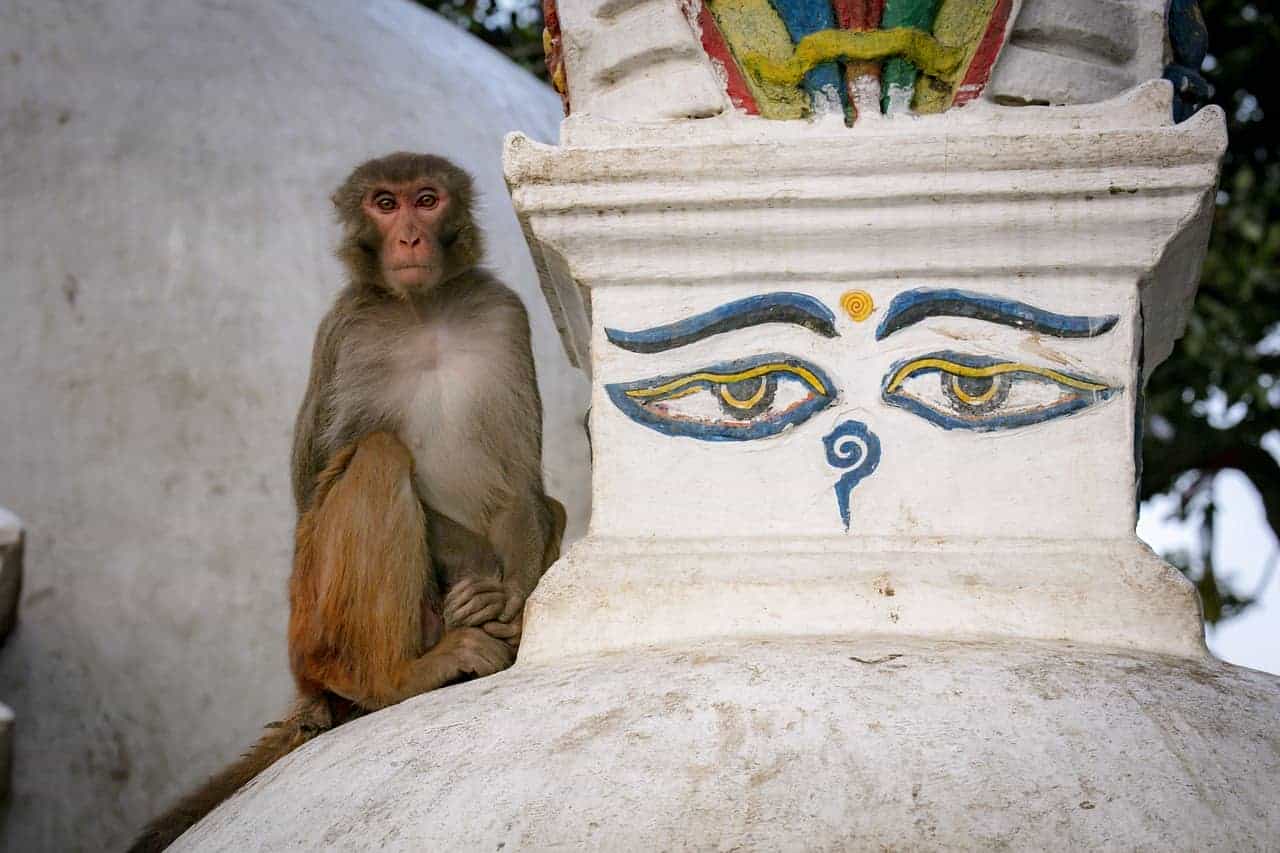
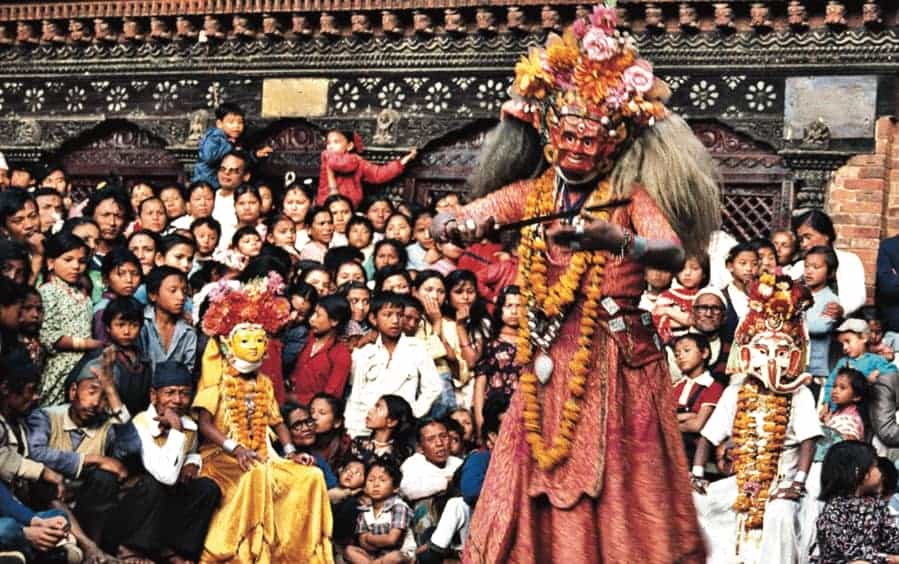
Kathmandu's social importance is apparent in its various sanctuaries, hallowed places, and authentic locales. The city brags a blend of Hindu and Buddhist legacy, with notable tourist spots like the Pashupatinath Sanctuary, Swayambhunath Stupa (otherwise called the Monkey Sanctuary), and Boudhanath Stupa. These destinations add to the city's profound air as well as draw in sightseers and travelers from around the world.
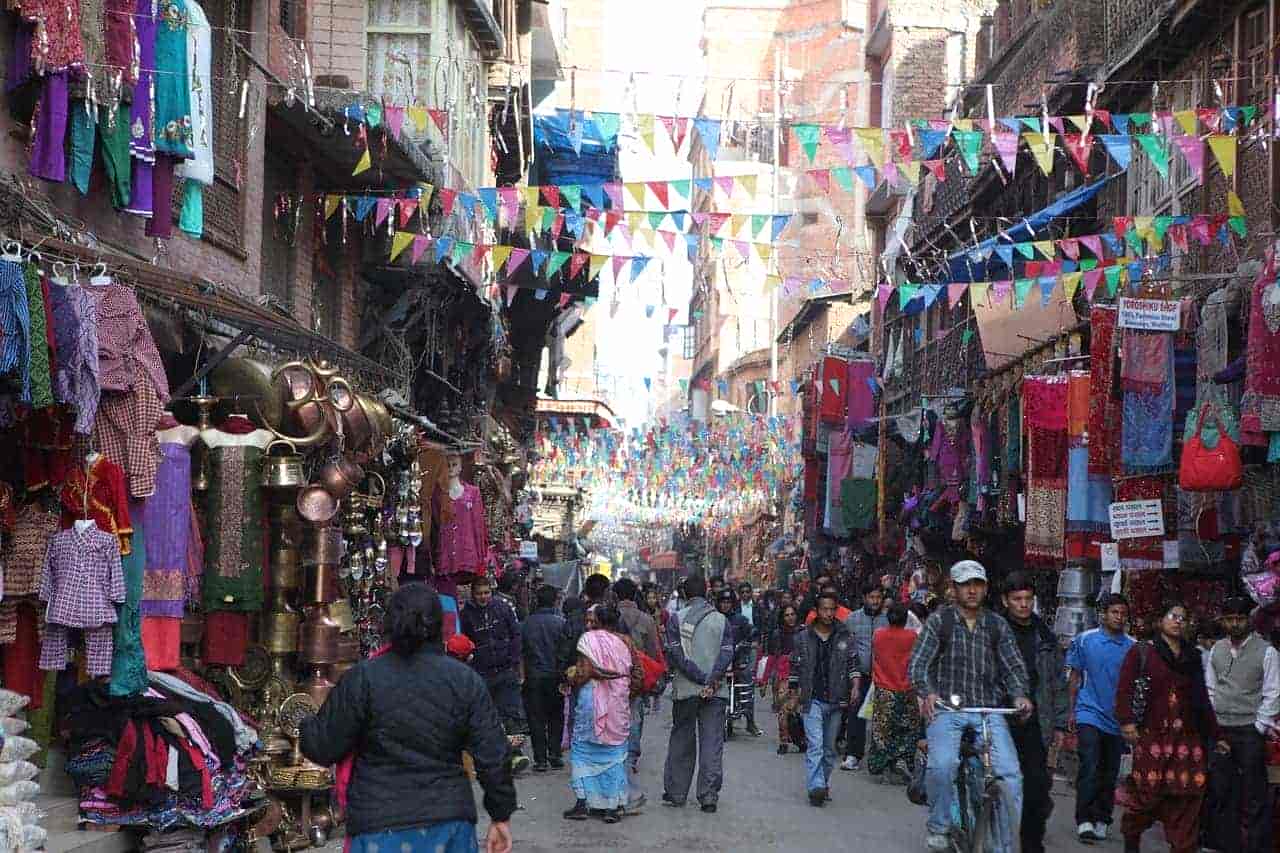
Monetarily, Kathmandu is a clamoring focal point of business. The city has markets, organizations, and monetary establishments that drive Nepal's economy. Thamel, a famous vacationer region in Kathmandu, is prestigious for its lively roads loaded up with shops, cafés, and facilities that take special care of guests investigating the city and its environmental elements.
Notwithstanding its cutting-edge advancements, Kathmandu has safeguarded its verifiable appeal. The old quarters of the city highlight slender rear entryways, conventional design, and old sanctuaries, giving a brief look into Nepal's rich social legacy. Durbar Square, an UNESCO World Heritage Site, is a point of convergence, displaying castles, patios, and complicatedly cut structures that mirror the country's imperial history.
Kathmandu isn't just the doorway to Nepal's lofty Himalayan scenes; it is additionally a blend of different societies and customs. The city's essential area in the Kathmandu Valley, encompassed by slopes, has impacted its turn of events and added to its extraordinary geology.
All things considered, Kathmandu, the capital of Nepal, is a city that faultlessly blends the old in with the contemporary. Its verifiable locales, social variety, and monetary importance make it a complex objective and an image of Nepal's rich legacy and yearnings for what's in store.