Fatty liver disease, also known as Non-Alcoholic Fatty Liver Disease (NAFLD) or Metabolic Associated Steatotic Liver Disease (MASLD), occurs when excess fat accumulates in the liver. It is commonly linked to obesity, diabetes, high cholesterol, and an unhealthy lifestyle. While no single vitamin can completely cure fatty liver disease, certain vitamins may support liver health and help reduce liver inflammation and fat buildup when combined with a healthy diet and regular exercise.
Vitamin E and Fatty Liver
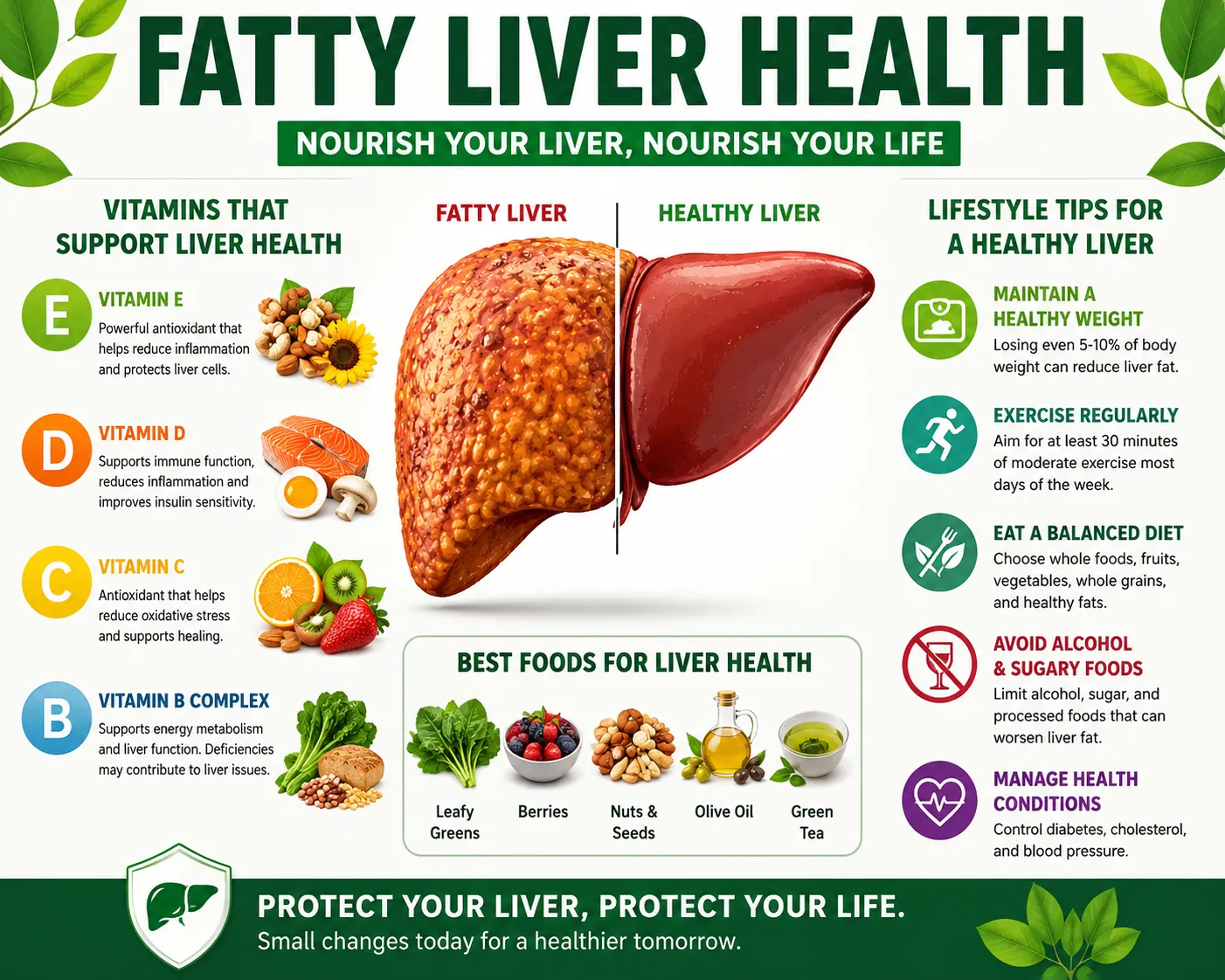
Among all vitamins, Vitamin E is one of the most researched for fatty liver disease. Vitamin E is a powerful antioxidant that helps protect liver cells from damage caused by oxidative stress. Studies have shown that Vitamin E supplementation may improve liver inflammation and reduce liver damage in some people with non-alcoholic fatty liver disease, particularly those who do not have diabetes.
Foods rich in Vitamin E include:
- Almonds
- Sunflower seeds
- Spinach
- Avocados
- Hazelnuts
- Vegetable oils
However, high-dose Vitamin E supplements should only be taken under medical supervision, as excessive intake may increase the risk of certain health complications.
Vitamin D and Liver Health
Vitamin D deficiency is common in people with fatty liver disease. Research suggests that adequate Vitamin D levels may help improve insulin sensitivity and reduce inflammation, both of which play important roles in liver health.
Natural sources of Vitamin D include:
- Sunlight exposure
- Fatty fish such as salmon and mackerel
- Egg yolks
- Fortified dairy products
Maintaining healthy Vitamin D levels can support overall metabolic health and may contribute to better liver function.
Vitamin C
Vitamin C is another antioxidant that may help reduce oxidative stress and inflammation in the liver. It also supports the immune system and helps the body repair damaged tissues.
Foods rich in Vitamin C include:
- Oranges
- Lemons
- Guavas
- Kiwi
- Strawberries
- Bell peppers
Including Vitamin C-rich foods in your daily diet may help support liver health naturally.
B Vitamins
The B-complex vitamins, particularly Vitamin B12 and Folate (Vitamin B9), play an important role in energy metabolism and liver function. Some studies suggest that deficiencies in these vitamins may contribute to liver problems and metabolic disorders.
Good sources include:
- Whole grains
- Eggs
- Dairy products
- Leafy green vegetables
- Beans and legumes
Lifestyle Matters More Than Supplements
While vitamins can support liver health, the most effective way to reverse fatty liver disease is through lifestyle changes. These include:
- Maintaining a healthy weight
- Exercising regularly
- Limiting sugar and processed foods
- Eating more fruits, vegetables, and whole grains
- Avoiding excessive alcohol consumption
- Managing diabetes and cholesterol levels
Conclusion
Vitamin E is currently the most studied vitamin for fatty liver disease and may help reduce liver inflammation and oxidative damage. Vitamins D, C, and B-complex vitamins also play supportive roles in maintaining liver health. However, vitamins should be viewed as part of a broader strategy that includes a balanced diet, regular exercise, and medical guidance. If you suspect you have fatty liver disease, consult a healthcare professional before starting any supplements to determine the safest and most effective treatment plan for your condition.