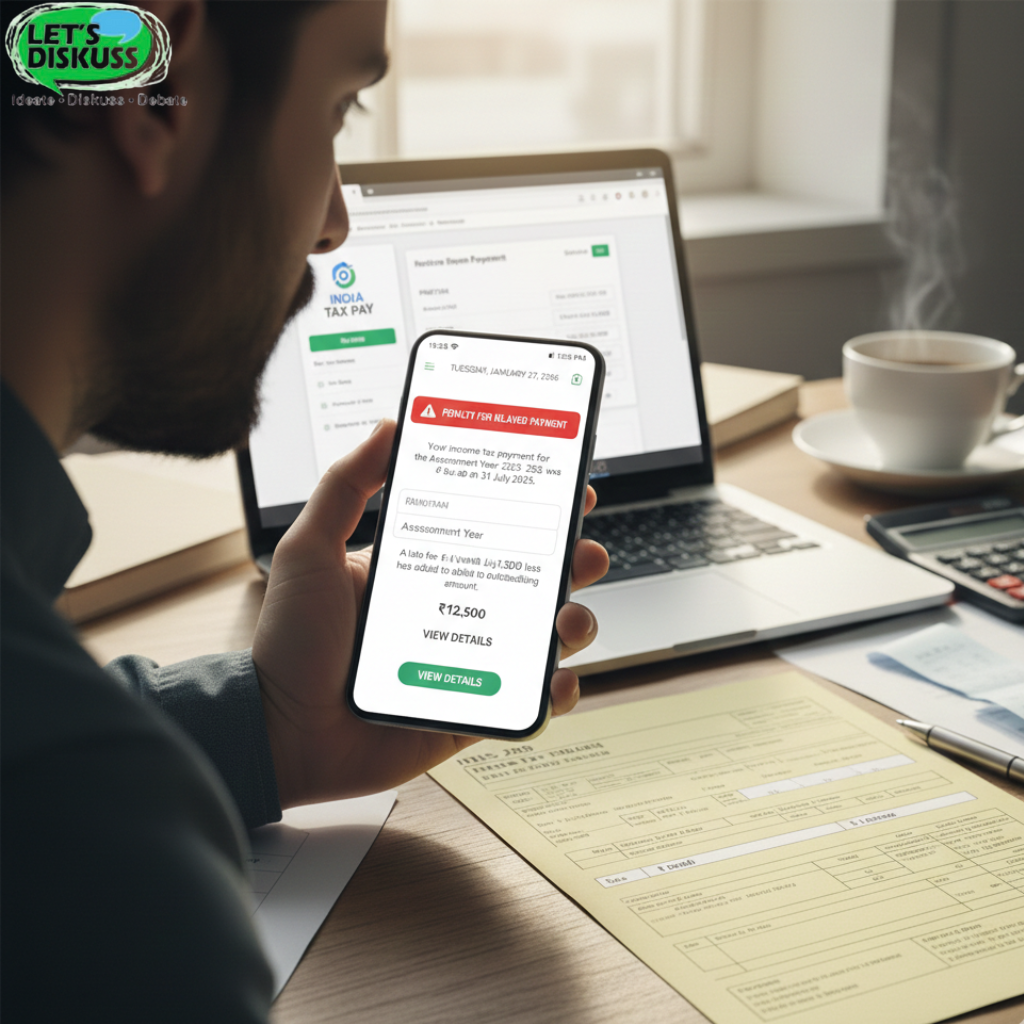

Let’s address the elephant in the financial aisle: tax season has become an incredibly stressful chore. With shifting economics, staring down a massive, unexpected tax bill can feel like a direct assault on your hard-earned savings.
When hit with a large tax liability, our natural instinct is to panic and drain our emergency funds to wipe the slate clean. But doing that can completely disrupt your financial momentum and trap you in a cycle of scarcity.
Here is a major reality check: Yes, you can absolutely pay your income tax in installments.
In fact, breaking down a massive tax bill into predictable, manageable monthly payments is a high-yield "financial minimalism" strategy. Instead of letting a single lump-sum payment trigger a financial emergency, mastering installment agreements allows you to maintain your liquidity and protect your peace of mind.
🏛️ How Tax Installment Plans Actually Work
Tax authorities (like the IRS) understand that cash flow fluctuates. Because of this, they offer structured options to help you settle your debt without breaking the bank:
Short-Term Payment Plans: If you just need a little extra time to gather your funds, you can often get up to 180 days to pay your tax liability in full. The best part? This option usually carries lower setup fees.
Long-Term Installment Agreements: For larger tax bills, you can set up a monthly payment plan that stretches out for up to 72 months. You simply propose a monthly payment amount that comfortably fits into your budget.
However, there is a catch. Installment plans are not entirely free money—they accrue interest and minor penalties over time. To make this strategy work for you, you have to approach it with strict intentionality.
🧠 Train Your Brain to Protect Your Cash Flow
Choosing an installment plan is all about protecting your immediate liquidity so you can keep your savings momentum alive. When you actively choose to manage your cash flow rather than panicking over a bill, you are rewiring your subconscious triggers to favor long-term financial discipline.
If you want to dive deeper into the psychology of resisting financial stress and building bulletproof wealth habits, check out our master blueprint on How to Train Your Brain to Save Big and Cut Lifestyle Inflation.
Here is how to optimize an installment plan like a pro:
Automate the Process: Set up electronic funds withdrawal for your monthly tax payments. Treating your tax bill like a fixed, automated monthly expense ensures you never miss a deadline. This is the exact same discipline required to successfully crush The 30-Day Savings Challenge.
Keep Production Costs Low: Use free online tools to calculate your ideal monthly payment before applying, ensuring you don't commit to an amount that strains your daily wallet. You can calculate your baseline numbers instantly with our free, interactive Savings Calculator.
💡 The Bigger Picture: Reclaiming Autonomy
Mastering your taxes is just one piece of the puzzle. When you realize that major financial burdens can be systematically broken down into small, budget-friendly steps, you stop letting price tags dictate your stress levels.
You can apply this exact same optimization mindset to every other corner of your life:
Your Home: You don't need a luxury interior design budget to make your environment feel premium. Discover how tiny, affordable aesthetic shifts can transform your living space in our curation of the Best Affordable Home Decor Under $5.
Smart Living: Learn how to make a budget-friendly environment look incredibly sleek, functional, and modern by exploring Smart Home Living on a Budget: 7 High-End Design Hacks for 2026.
✨ A Quick Reality Check: Price tags lie by trying to overwhelm you all at once. True luxury is knowing that with a little intent, an automated plan, and a solid budget, you can dismantle any financial hurdle without draining your wallet.
Let’s Discuss!
Have you ever used an installment plan to handle a major bill? What is your favorite strategy for minimizing stress during tax season? Let's talk about it in the comments below!