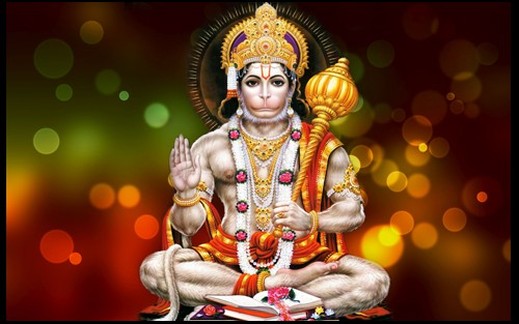
Does Hanuman Chalisa do miracles? Has anyone witnessed a miracle?
The Hanuman Chalisa, a revered hymn dedicated to Lord Hanuman in Hinduism, holds a significant place in spiritual practices. Devotees often share stories of experiences they interpret as miracles resulting from the recitation of the Hanuman Chalisa. It's crucial to approach these accounts with an understanding of the deep faith and cultural significance surrounding the chant while acknowledging the subjective nature of such experiences.
Many devotees attribute perceived miracles to the recitation of the Hanuman Chalisa. These anecdotes range from claims of healing from illnesses to overcoming challenging circumstances. A common thread in these stories is the invocation of Lord Hanuman during times of distress or adversity through the chanting of the Chalisa.
Devotees believe that the Hanuman Chalisa when recited with sincerity and devotion, can invoke the blessings and intervention of Lord Hanuman in their lives. The reported miracles are often personal and subjective, with individuals crediting positive outcomes to their faith in the chant.
Devotees often recount instances where they believe the Hanuman Chalisa has played a role in positive outcomes. These stories are shared within the context of deep faith and a belief in the divine power of Lord Hanuman. However, these experiences lack empirical evidence and are challenging to verify objectively.
While these narratives are shared with deep conviction, it's essential to approach them with a level of skepticism. Scientifically establishing a causal link between the recitation of a religious hymn and specific outcomes poses challenges. Factors such as the placebo effect, psychological well-being, and the natural course of events need consideration when evaluating claims of miracles.
Skepticism becomes particularly relevant when assessing the cause-and-effect relationship between the Hanuman Chalisa and perceived miracles. It's important to recognize the power of cultural and religious beliefs in shaping the interpretation of events. The placebo effect, where belief alone can influence well-being, might contribute to the reported positive experiences.
Cultural and religious beliefs play a pivotal role in how individuals interpret events. Devotees who firmly believe in the efficacy of the Hanuman Chalisa may naturally perceive positive outcomes as miracles, reinforcing their faith in the chanting process. The subjective nature of personal experiences also emphasizes the importance of respecting individual beliefs and cultural contexts.
The perception of miracles is influenced by cultural and religious beliefs, and interpretations can vary widely. Some individuals may attribute positive changes in their lives to the Hanuman Chalisa, while others may approach such stories with skepticism, emphasizing the psychological and subjective nature of these experiences
In conclusion, the question of whether the Hanuman Chalisa performs miracles is deeply intertwined with personal beliefs and subjective experiences. Devotees often share stories of perceived miracles, attributing positive changes in their lives to the power of the Chalisa and the blessings of Lord Hanuman. These anecdotes, while integral to the cultural and religious narrative, lack empirical evidence and should be approached with a nuanced understanding of faith, cultural practices, and the subjective nature of personal experiences.

 Answered by